
How to Choose Wall Art That Feels Calm (Not Overstimulating)
In a world that already asks a lot of our attention, the way a room feels matters more than ever.
You can have a beautifully styled space, but if the artwork feels busy or visually loud, it can shift the whole atmosphere without you quite realising why. On the other hand, the right piece can soften a room, settle the eye, and make everything feel more considered.
If you’re trying to create a calm interior, choosing the right wall art is one of the simplest ways to support that feeling.
What makes wall art feel calm?
Calm wall art isn’t about choosing “neutral” for the sake of it. It’s about how the image behaves over time.
Art tends to feel calm when it has:
A limited, cohesive colour palette
Soft or natural light rather than harsh contrast
A simple, intentional composition
Space for the eye to rest
A sense of balance rather than tension
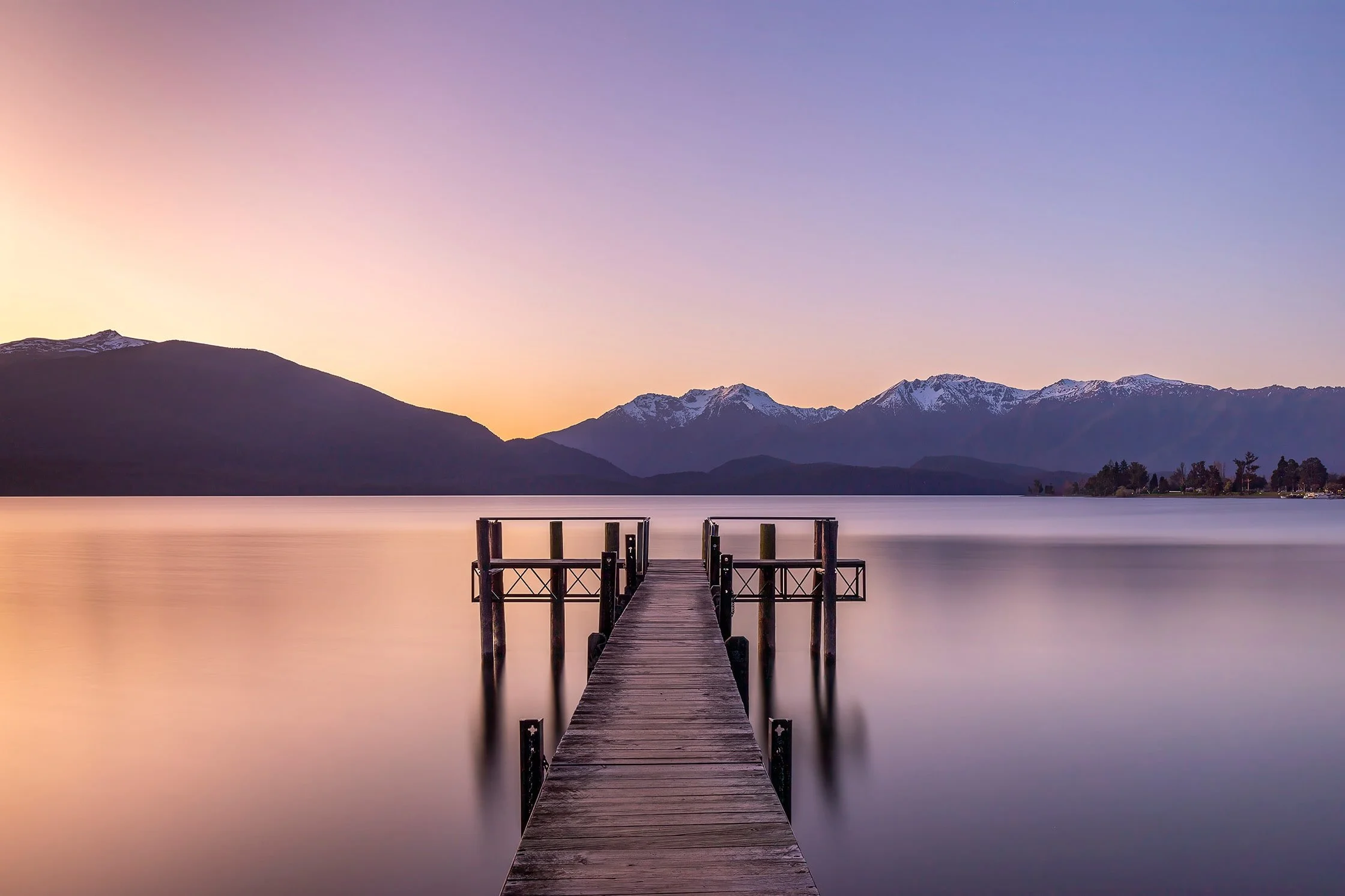
These are the pieces that don’t demand your attention every time you walk past. Instead, they become part of the space.
If you’re unsure how scale plays into this, it can help to revisit choosing the right size for your wall art, as proportion often affects how “calm” a piece feels just as much as the image itself.
Why some wall art feels overstimulating
It’s not that bold or detailed art is wrong. In the right setting, it can bring energy and personality into a space.
But in rooms where you want to feel settled, certain elements can start to feel like visual noise:
Multiple strong colours competing for attention
High contrast across the entire image
Busy compositions with no clear focal point
Highly saturated tones at a large scale
These images often stand out beautifully online or in a gallery setting. Living with them every day can feel different.
If a piece immediately pulls your attention in multiple directions, it may not support the kind of atmosphere you’re trying to create at home.
Start with colour, but keep it considered
Colour is usually the first thing we notice, but calm doesn’t always mean colourless.
Some of the most grounding pieces sit within:
Soft coastal blues and greys
Warm, sandy neutrals
Muted greens and earthy tones
Black and white with gentle tonal variation
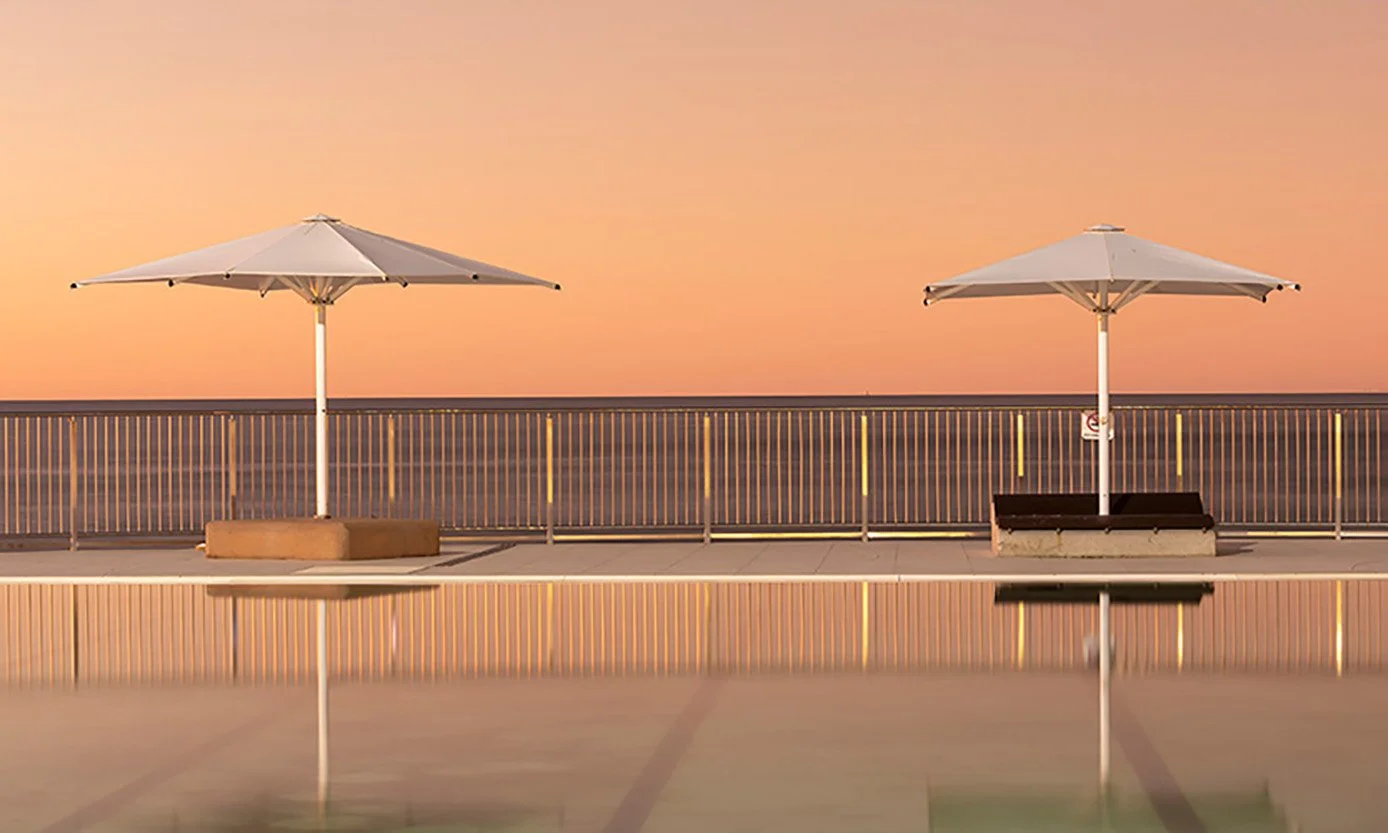
What matters most is restraint. When colours sit closely together rather than competing, the image tends to feel more settled.
A simple way to check this is to step back from the image. If it still feels visually loud from a distance, it may bring more energy than you’re looking for.
Pay attention to light
Light changes everything.
Images captured in soft, diffused light, early morning, overcast skies, or low evening light, tend to feel quieter and more grounding. The transitions are gentle, and nothing feels too sharp or abrupt.
Stronger contrast can be beautiful, but it naturally creates more visual tension. If you’re drawn to higher contrast work, it often sits more comfortably as a smaller piece or balanced within a broader, calmer space.
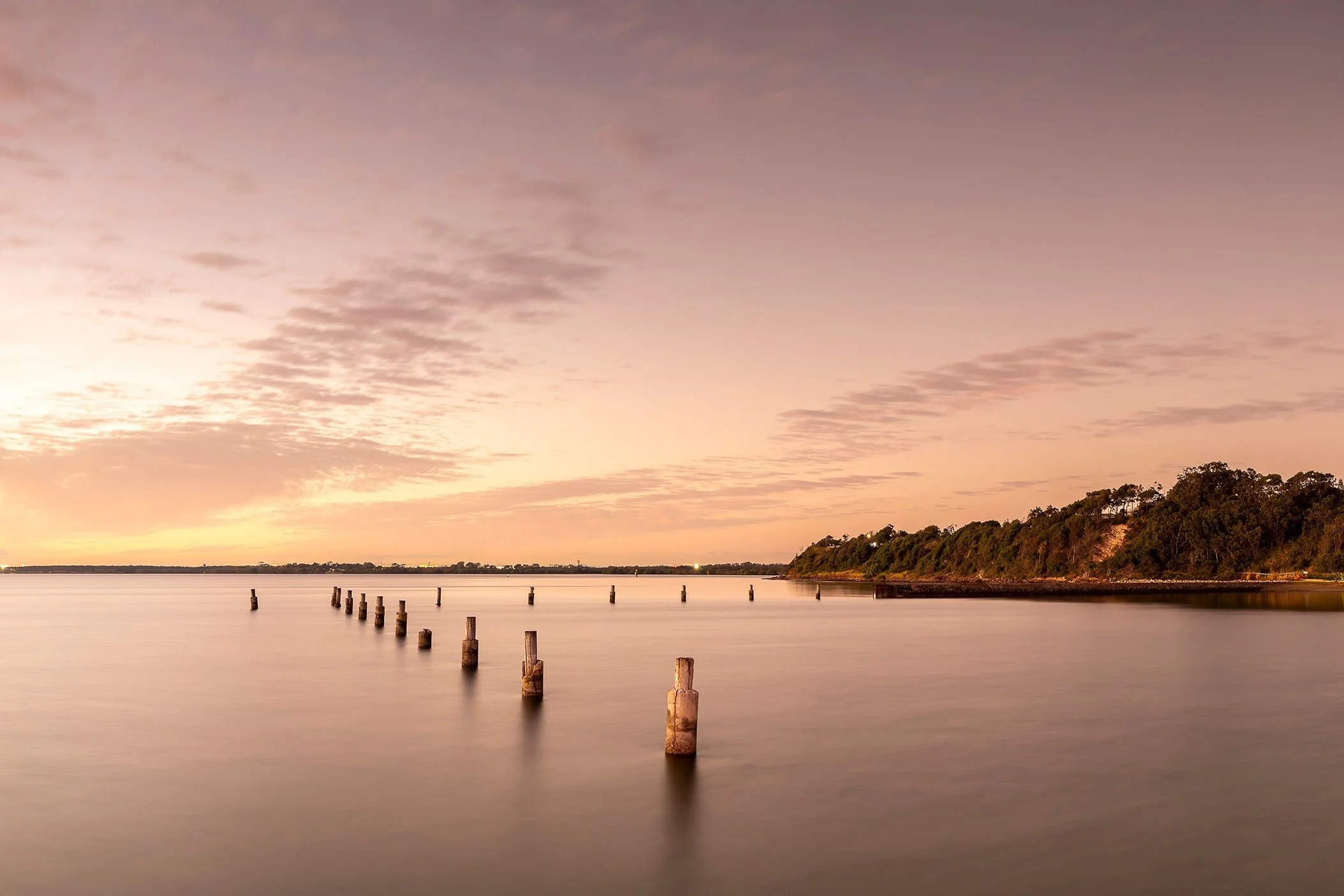
Look for one clear focal point
Calm artwork usually gives your eye somewhere to land.
This might be a horizon line, a single tree, a quiet building, or a path leading into the scene. It doesn’t need to be dramatic, just clear.
When everything in an image competes for attention, your eye keeps moving. When there’s a natural focal point, the experience feels more settled.
This is often where styling photography in modern interiors becomes important, because placement and surrounding space can either support or disrupt that sense of calm.
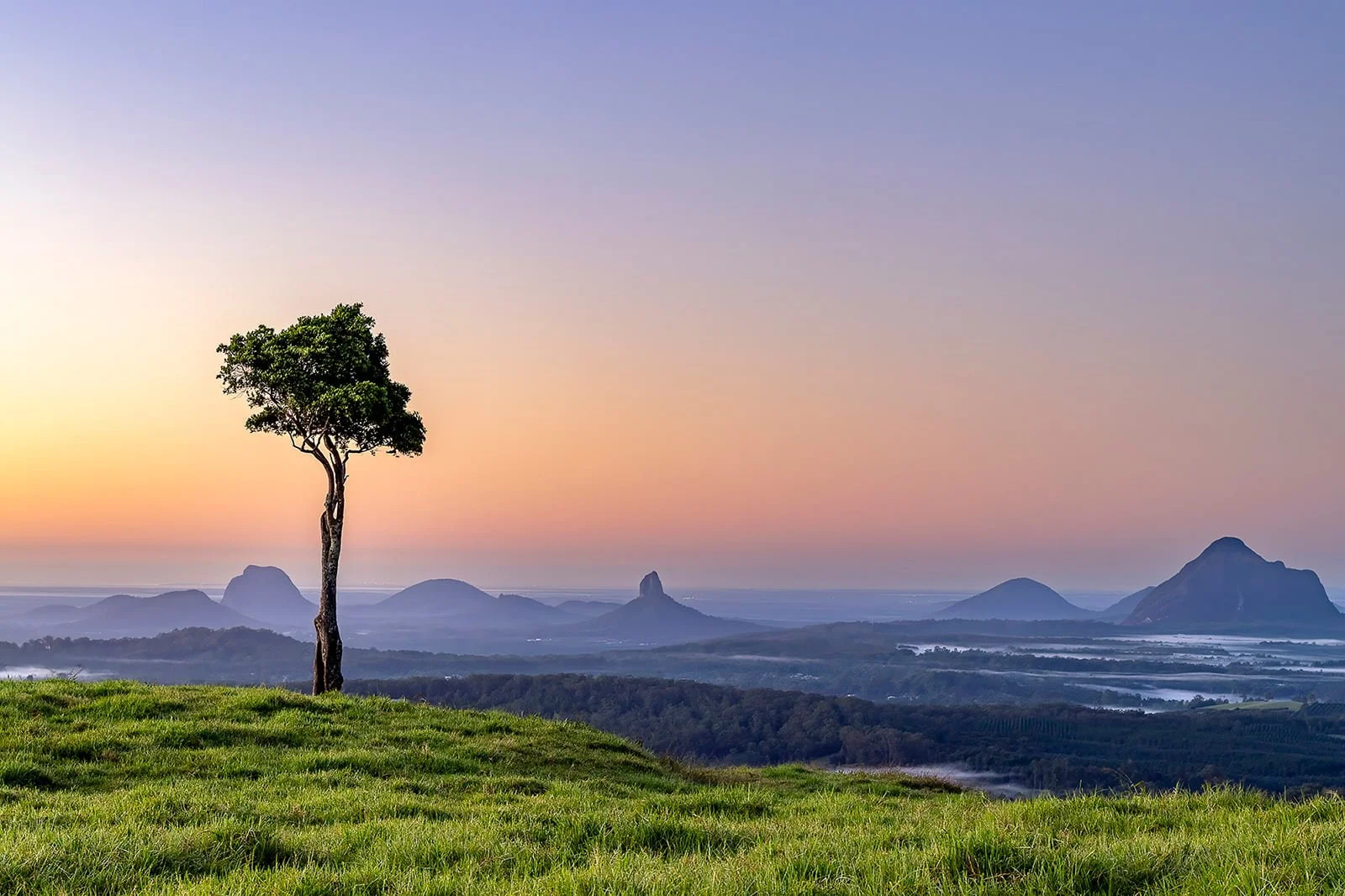
Subject matter that naturally feels quieter
Some subjects lend themselves to calm interiors more easily than others.
You’ll often find this feeling in:
Open landscapes with space to breathe
Coastal scenes with gentle movement
Minimal architectural details
Botanical forms with repetition
Black and white images focused on shape and tone
Travel photography can sit beautifully in calm spaces when it focuses on atmosphere rather than activity. A quiet location, captured without crowds or movement, tends to feel more timeless and easier to live with.
Scale can change how an image feels
This is something people often don’t realise until they see it in their own space.
A larger piece naturally draws more attention, so the image itself needs to feel visually quieter. Smaller pieces can hold a little more detail without overwhelming the room.
If an image feels slightly too busy, it doesn’t always mean it’s the wrong choice. It may simply be better suited to a smaller size or a different placement.
Let the artwork support the room
Rather than choosing art in isolation, it helps to think about how it sits within the space.
Look at:
The colours already present in your furniture and finishes
The feeling you want the room to hold, calm, light, grounded
How often you’ll see the piece throughout the day
Calm artwork tends to work with what’s already there, rather than competing with it.
If you’re drawn to pieces that feel quiet, expansive, and considered, you may naturally connect with fine art travel photography printswhere the focus is on atmosphere and a sense of place.
A simple way to choose
When you’re deciding between pieces, it doesn’t need to be complicated.
You can ask yourself:
Does this feel easy to look at?
Could I live with this every day?
Does it soften the space rather than energise it?
Often, your first instinct is the right one. The difference is learning to recognise why.
Creating a space that feels calm
Calm interiors aren’t about removing personality or making everything neutral. They’re about choosing pieces that feel balanced, intentional, and easy to live with over time.
Wall art plays a quiet but important role in that.
When you choose pieces with gentle colour, considered composition, and a sense of stillness, the room starts to feel different. Not styled, just settled.
And that’s usually what people are looking for, even if they don’t describe it that way at first.

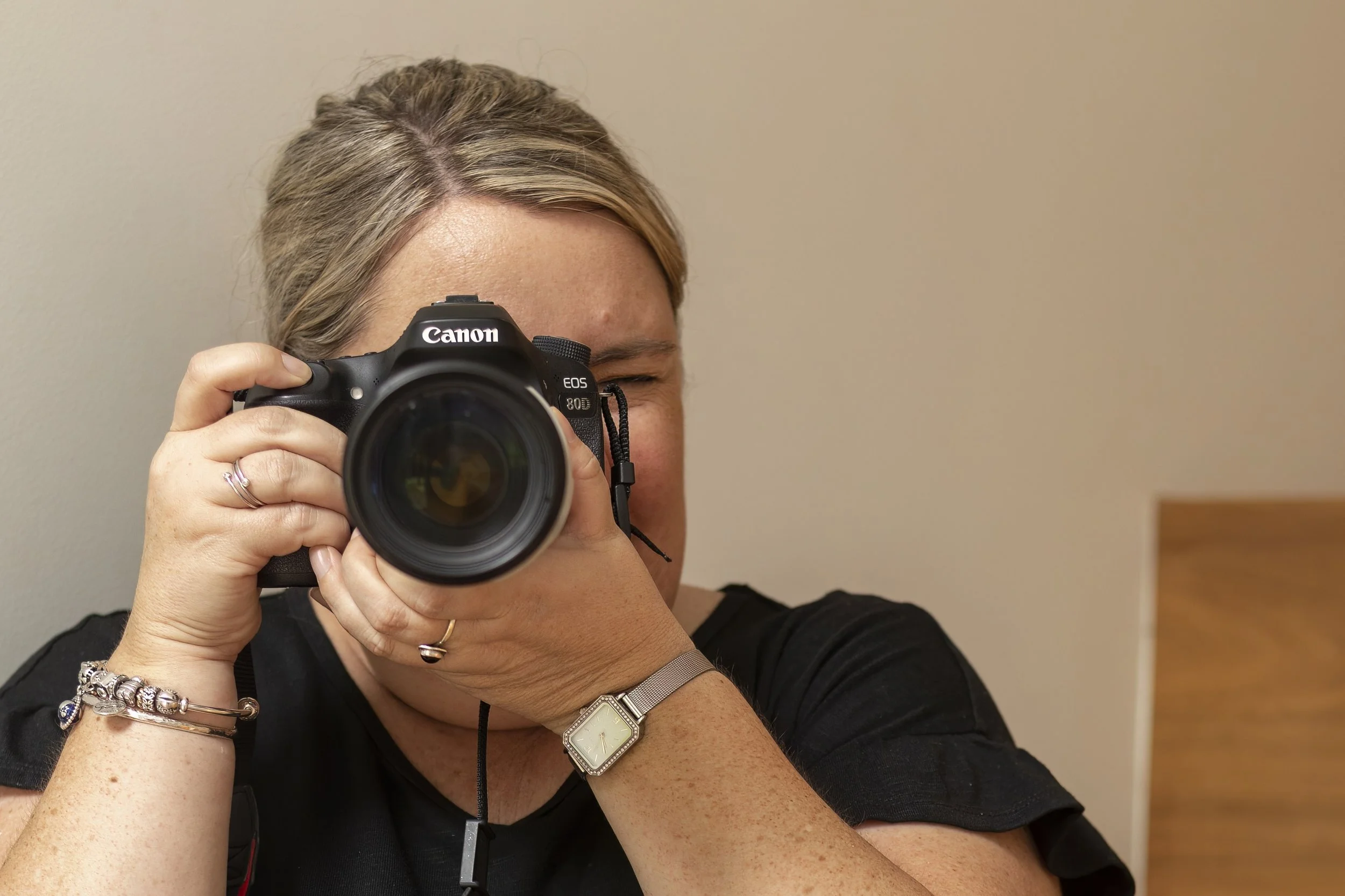
Leah Hermann
Leah Hermann is a landscape and travel photographer based on the Sunshine Coast, Australia. Through her brand Lens Art Images, she creates fine art photography prints inspired by coastlines, mountains, and destinations around the world, designed to bring a sense of place and calm into everyday spaces.