
What I’ve Learned Watching People Connect With Photography Prints in Person
Over the past few years, I’ve spent many weekends standing beside my photography prints at local Sunshine Coast markets, particularly the Cotton Tree Markets in Maroochydore. While the markets are obviously about selling artwork, they’ve also given me the chance to notice the different ways people respond to photographs, places and memories.
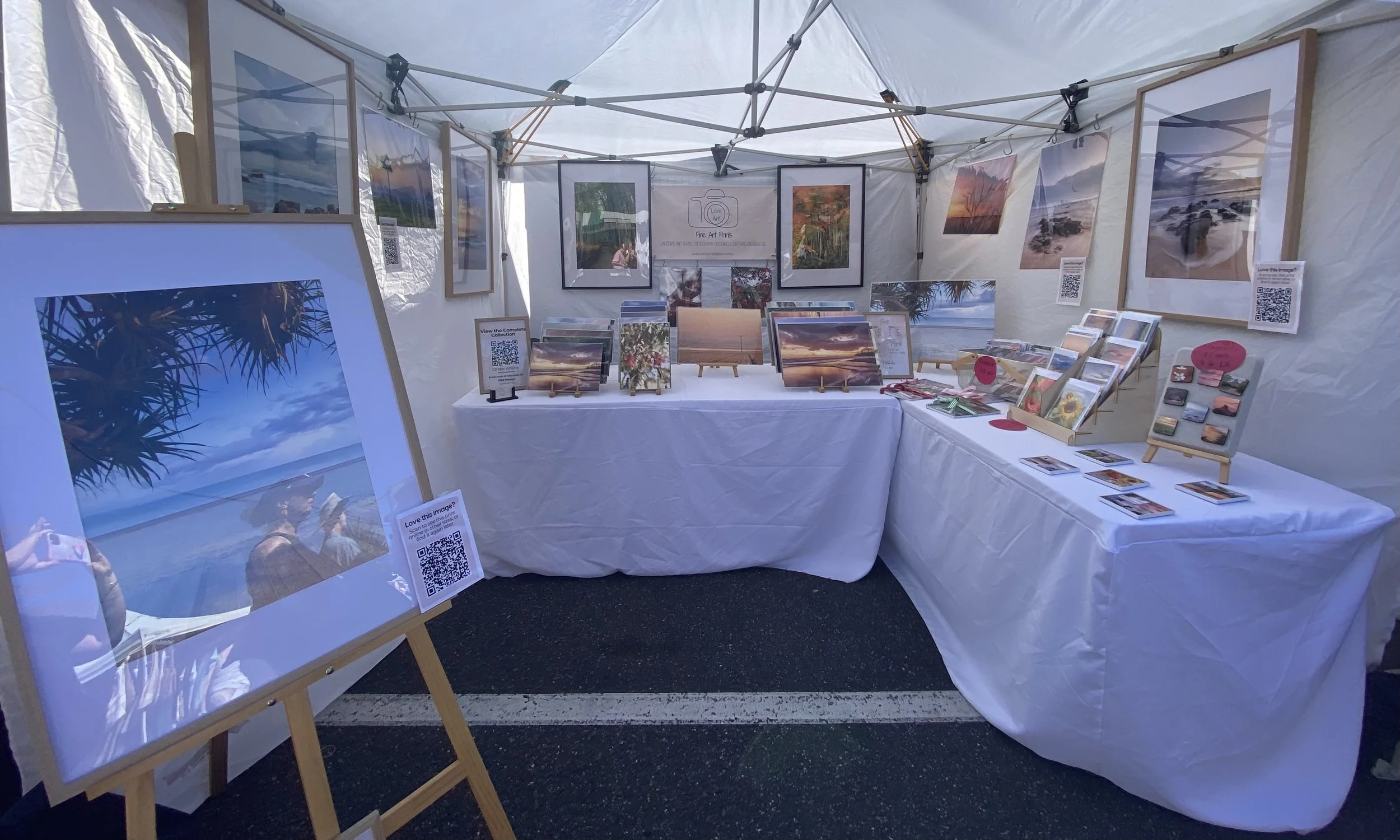
One of the things that has surprised me most is how often people connect with a location before they connect with the photograph itself.
I usually display a large framed version of Noosa Boardwalk on an easel at the front of my stall. It’s the image that consistently stops people as they walk past. Some immediately recognise the location, while others stop to ask where it is. I hear comments like “this is beautiful” over and over again, but what I notice most is the way people react together. Quite often someone will stop, then pull on the arm of the person they’re with so they look too.
I’ve watched people walking quickly past the markets suddenly slow down as they approach the front of the stall. Sometimes they continue walking, but they keep turning back to look at the images the whole time. Others stop at the far end of the tent and stand there properly taking everything in before eventually coming back.
It’s interesting watching which images people gravitate towards. Ocean Sunrise and Ocean Sunrise 2 are regularly purchased as a pair, usually described as peaceful or calming. Coolum Mornings seems to attract people more on hot summer days, perhaps because of the cool blue tones and movement in the water. People often comment that it makes them want to go swimming.
Then there are images like Serenity Falls in Buderim, which either attracts a huge amount of attention or almost none at all. Tourists are often surprised to discover there’s a small waterfall tucked away there on the Sunshine Coast.
One thing I’ve learned very quickly is that I’m often wrong about which images will resonate most strongly with people. The photographs I personally expect to become favourites aren’t always the ones that people connect with emotionally. Sometimes it’s the quieter images that mean the most.
Over time, I’ve realised that many people aren’t simply choosing artwork to fill a wall. They’re responding to memories, experiences and personal connections to a place.
I once had a woman purchase a small unframed print because the location was a much-loved family holiday destination where her family had scattered the ashes of a loved one. There was a small shaft of light in the image that she said immediately spoke to her.
Another couple purchased a print because it was the location of their first date.
I’ve had people who recently moved to the Sunshine Coast tell me the image reminded them of the first place they visited after arriving here. One woman even made a special trip back to the markets before leaving Australia to return home overseas. After living on the Coast for several years, she wanted to take an A2 print home with her as a reminder of that chapter of her life.
Those moments stay with me.
One of the questions I’m asked most often at the markets is whether I personally take all of the photographs. I think many people are now so used to mass-produced artwork that they’re surprised to discover the person standing beside the prints is also the photographer.
I’m also constantly asked where the images were taken. Tourists especially search for locations they recognise or places they visited during their stay. When people browse the smaller items, postcards, notebooks or greeting cards, they’ll often ask, “Do you have any from Noosa?” or “Do you have any from Coolum?”
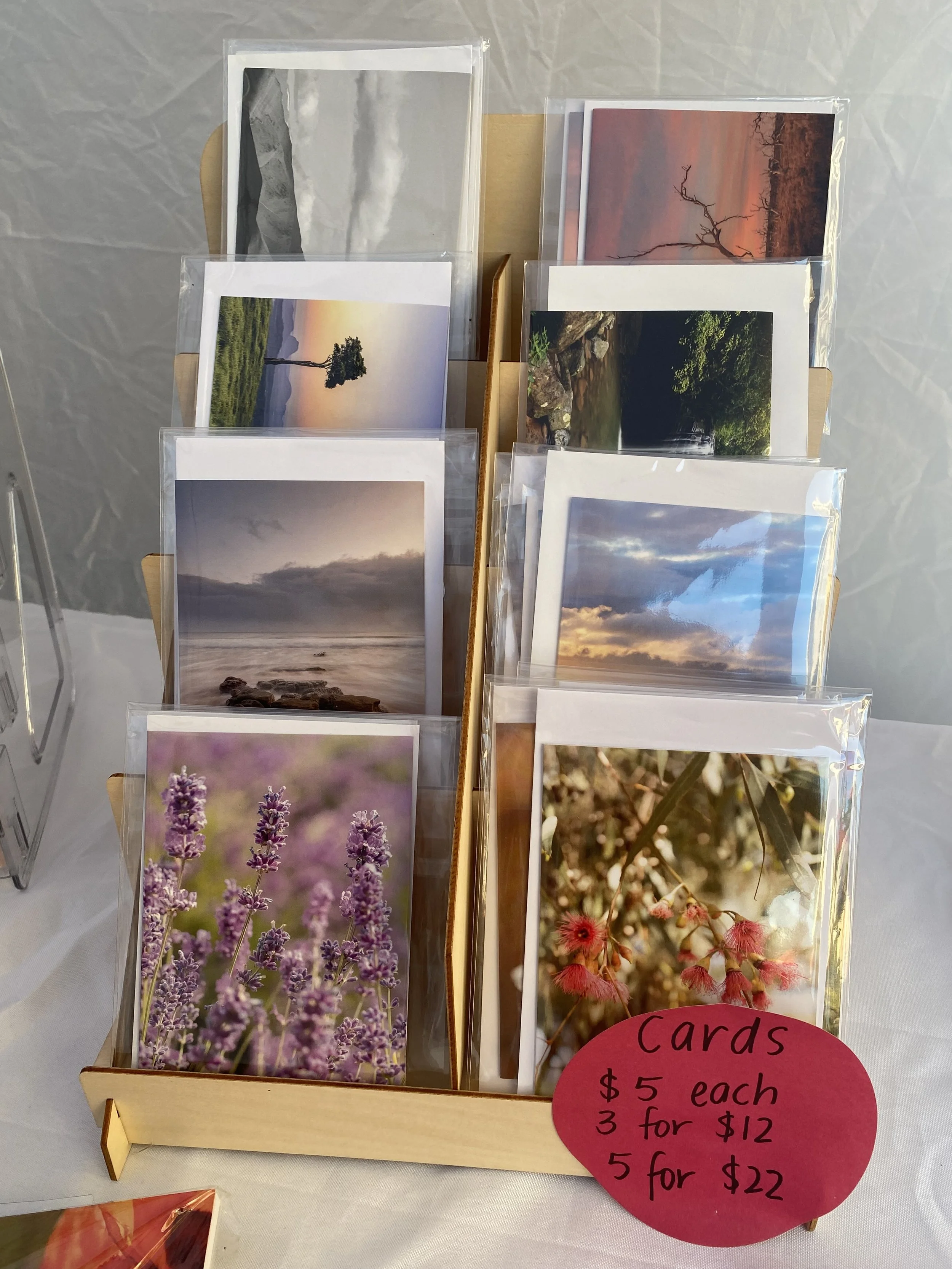
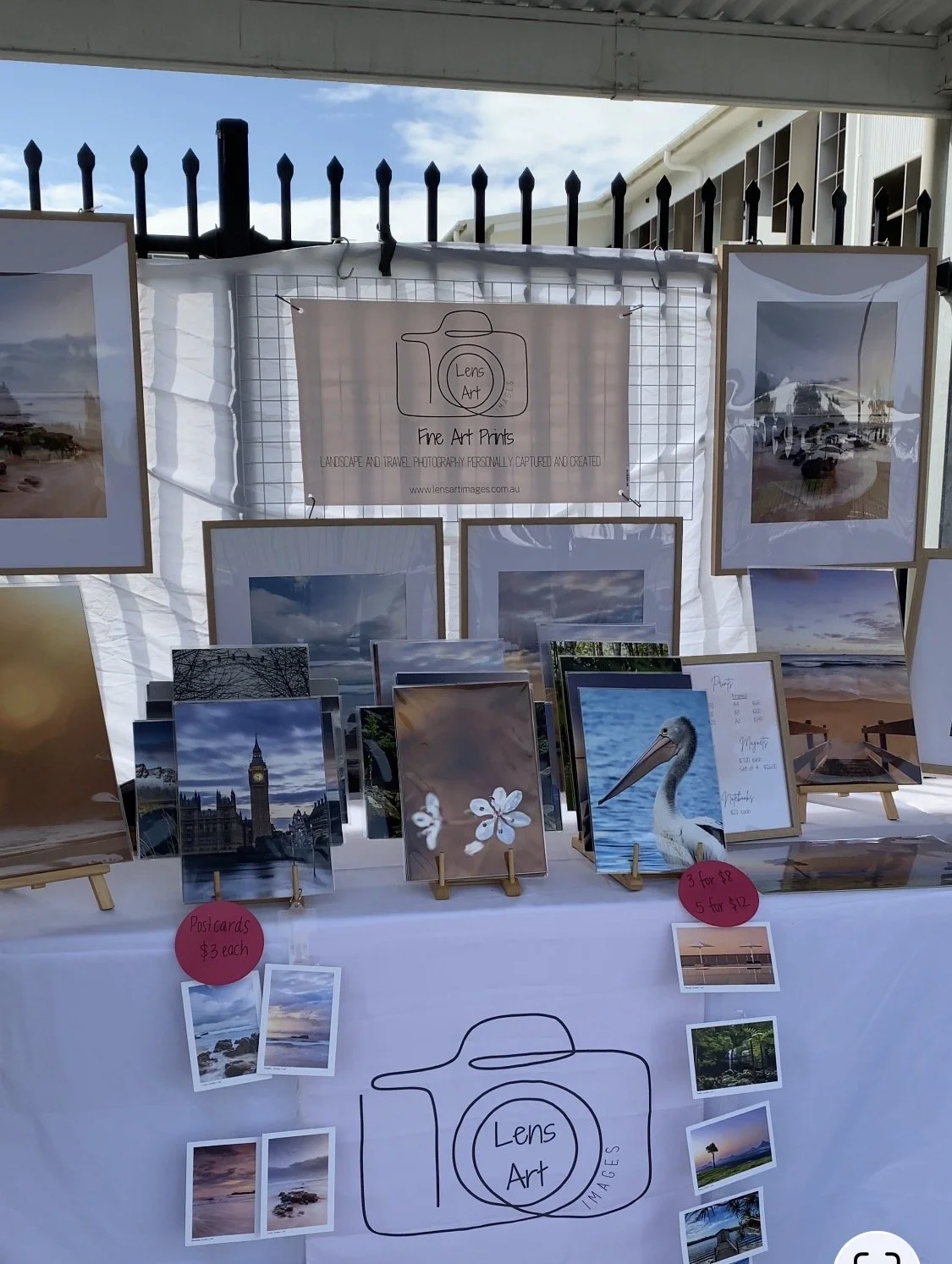
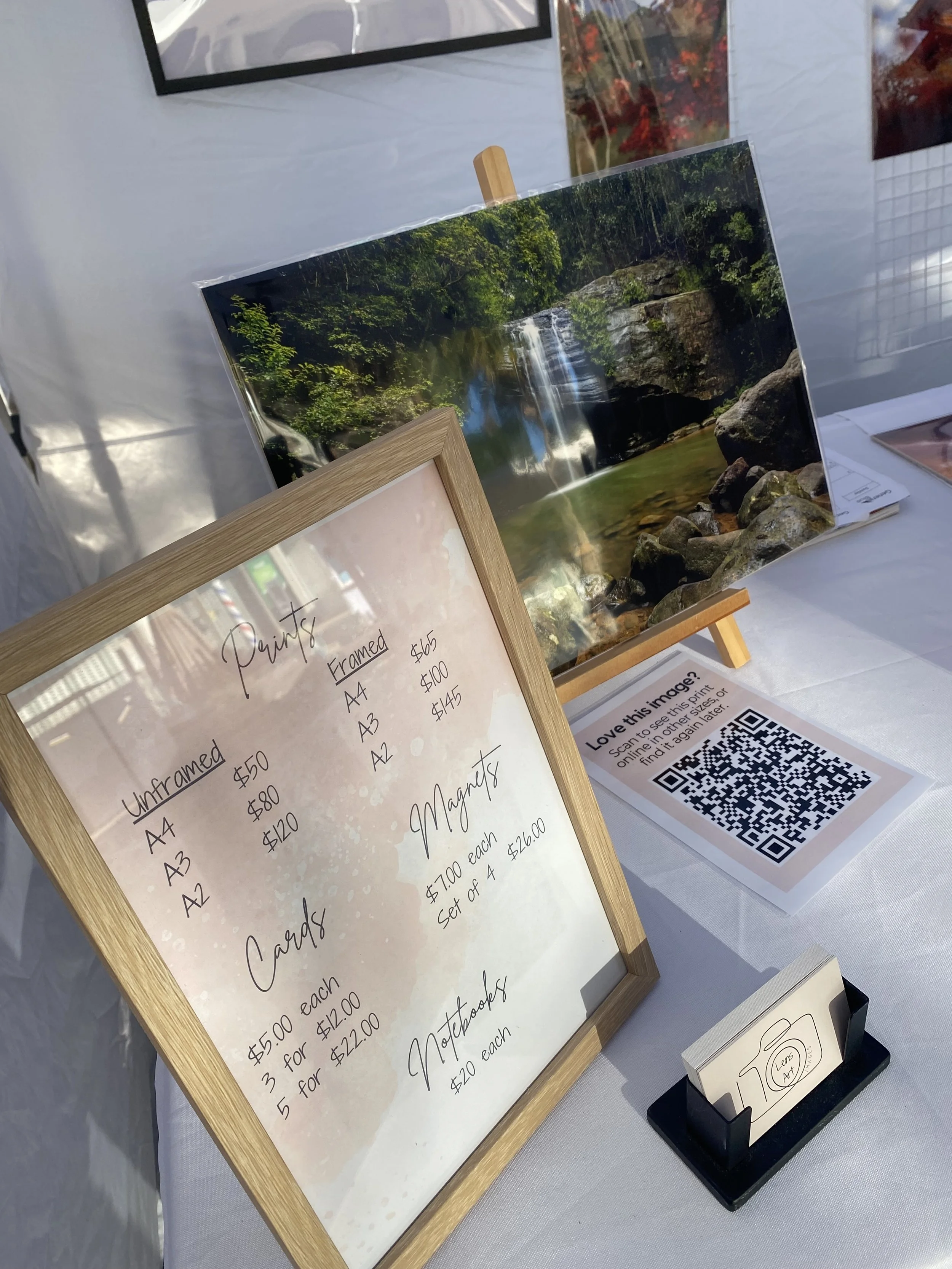
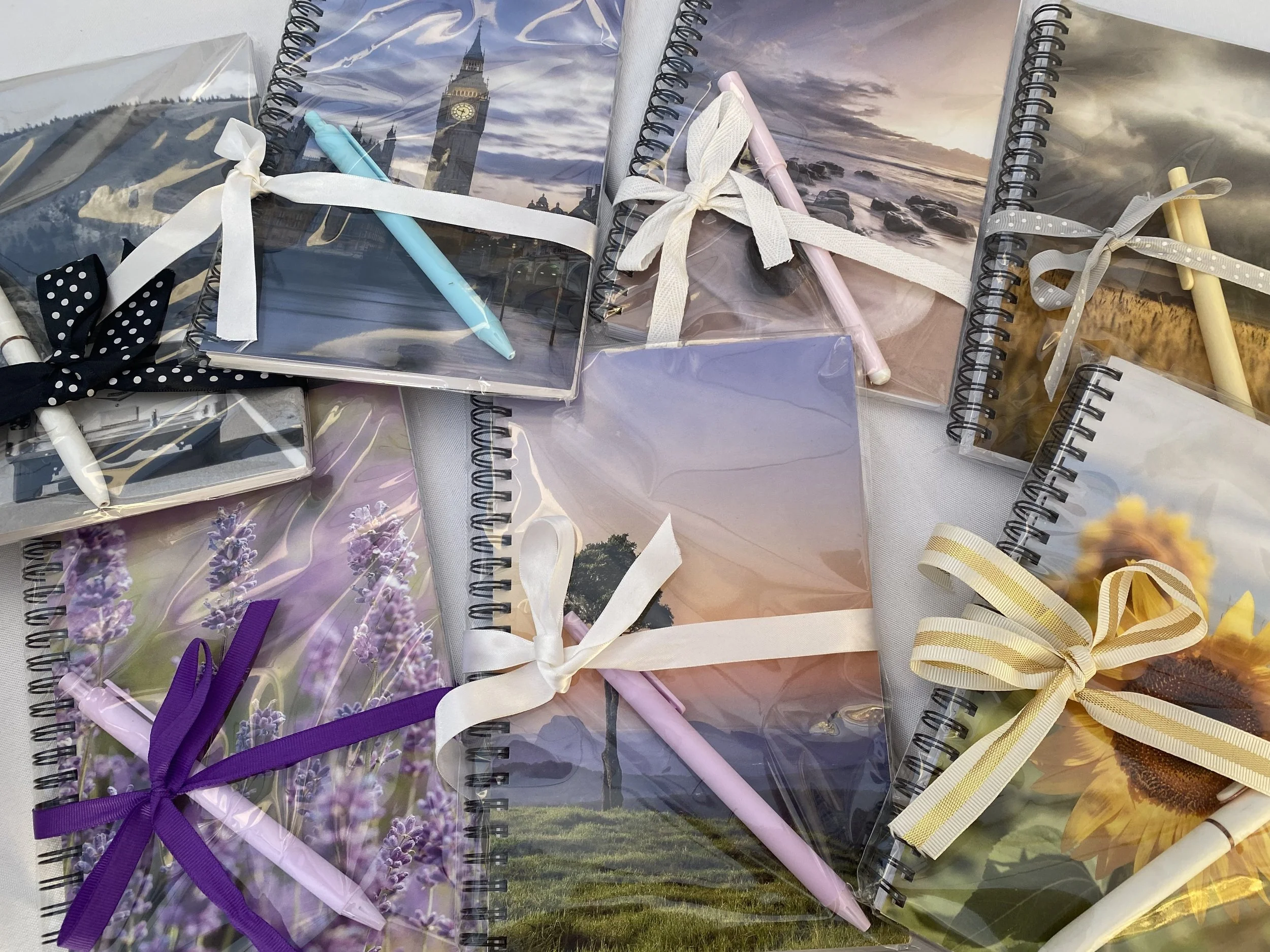
Location matters deeply to people.
That’s one of the reasons I’ve become increasingly careful about accurately naming and describing where each image was photographed. Often the connection someone has with a place is very personal, and I never want that to feel generic or interchangeable.
I’m also often asked whether I can print the images larger than the framed versions displayed at the markets. The answer is usually yes, but displaying and transporting very large framed prints simply isn’t practical for me at the markets. Once you go beyond A1 sizing, framing also becomes much more specialised and expensive.
What continues to surprise me most, though, is how many people simply want to stop and talk. Many visitors spend time asking questions about the locations, the light or the story behind the image, even when they don’t purchase anything at all.
After standing beside these photographs for years, I think I’ve come to understand that people rarely connect with a print purely because of photography technique or composition. More often, they connect with the feeling it gives them, the memory it holds, or the place it reminds them of.
There are definitely times when I question whether all the preparation and early mornings on market weekends are worth it. But I almost always leave feeling like my bucket has been filled. Having people stop, connect with an image, or simply say something kind about my work is always so encouraging.
Listening to the stories people share, seeing them recognise a familiar place, or watching an image quietly stop someone in their tracks reminds me why I keep doing it.
And honestly, I think that’s my favourite part of all of this.
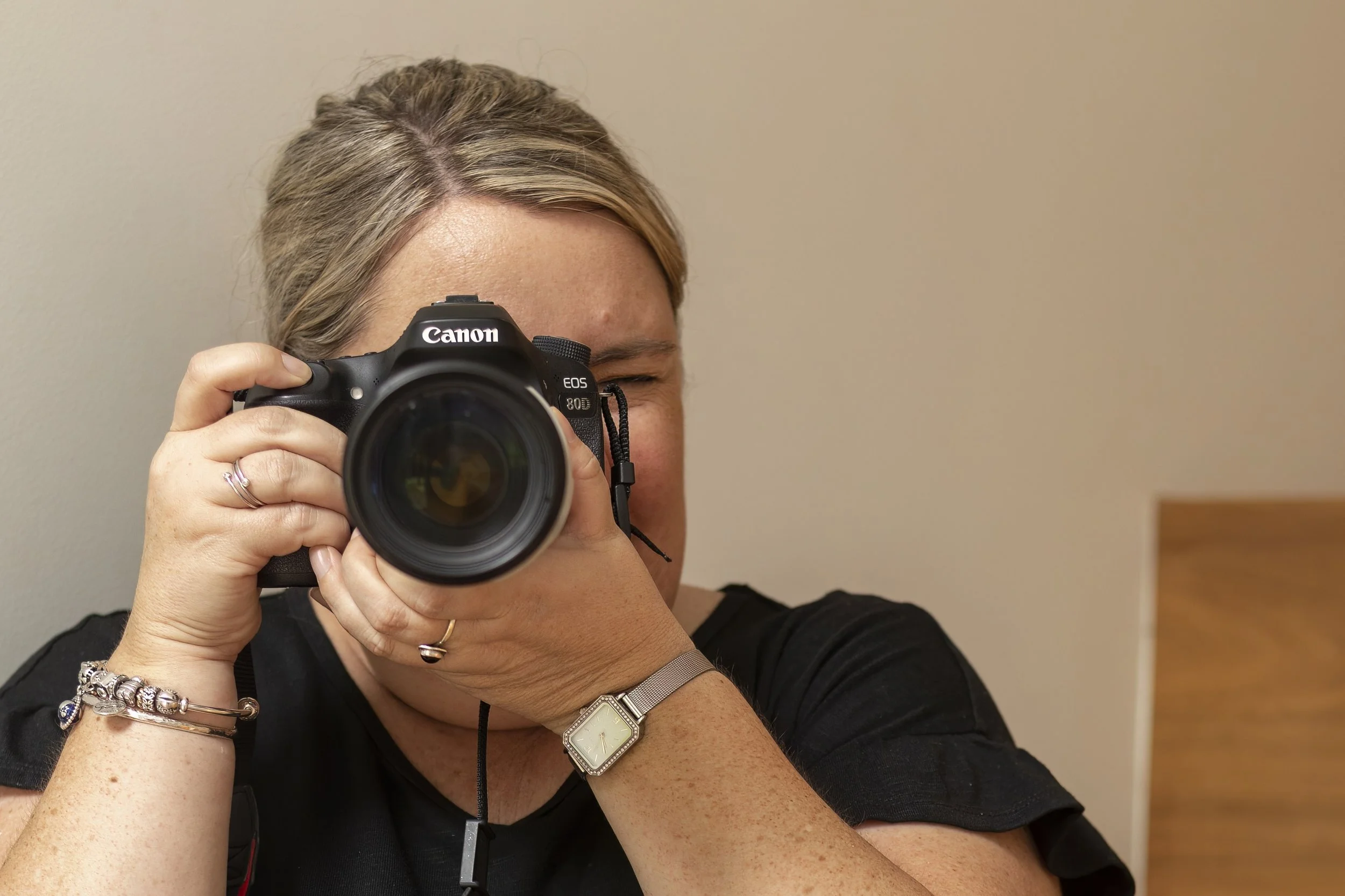
Leah Hermann
Leah Hermann is a landscape and travel photographer based on the Sunshine Coast, Australia. Through her brand Lens Art Images, she creates fine art photography prints inspired by coastlines, mountains, and destinations around the world, designed to bring a sense of place and calm into everyday spaces.