
Living With Art: How Your Relationship With a Print Changes Over Time
Buying a piece of art is often treated as the end of the decision. You find an image you love, choose the right size, frame it, hang it and step back to see how it looks in the room.
But that’s really only the beginning.
The art we live with doesn’t stay quite the same, even though the artwork itself hasn’t changed. Over time, we notice different details. We associate it with particular moments in our lives. Sometimes it reminds us of somewhere we’ve travelled, somewhere we’d love to go, or simply the feeling that made us choose it in the first place.
Eventually, a print can become such a familiar part of a home that it’s difficult to imagine the room without it.
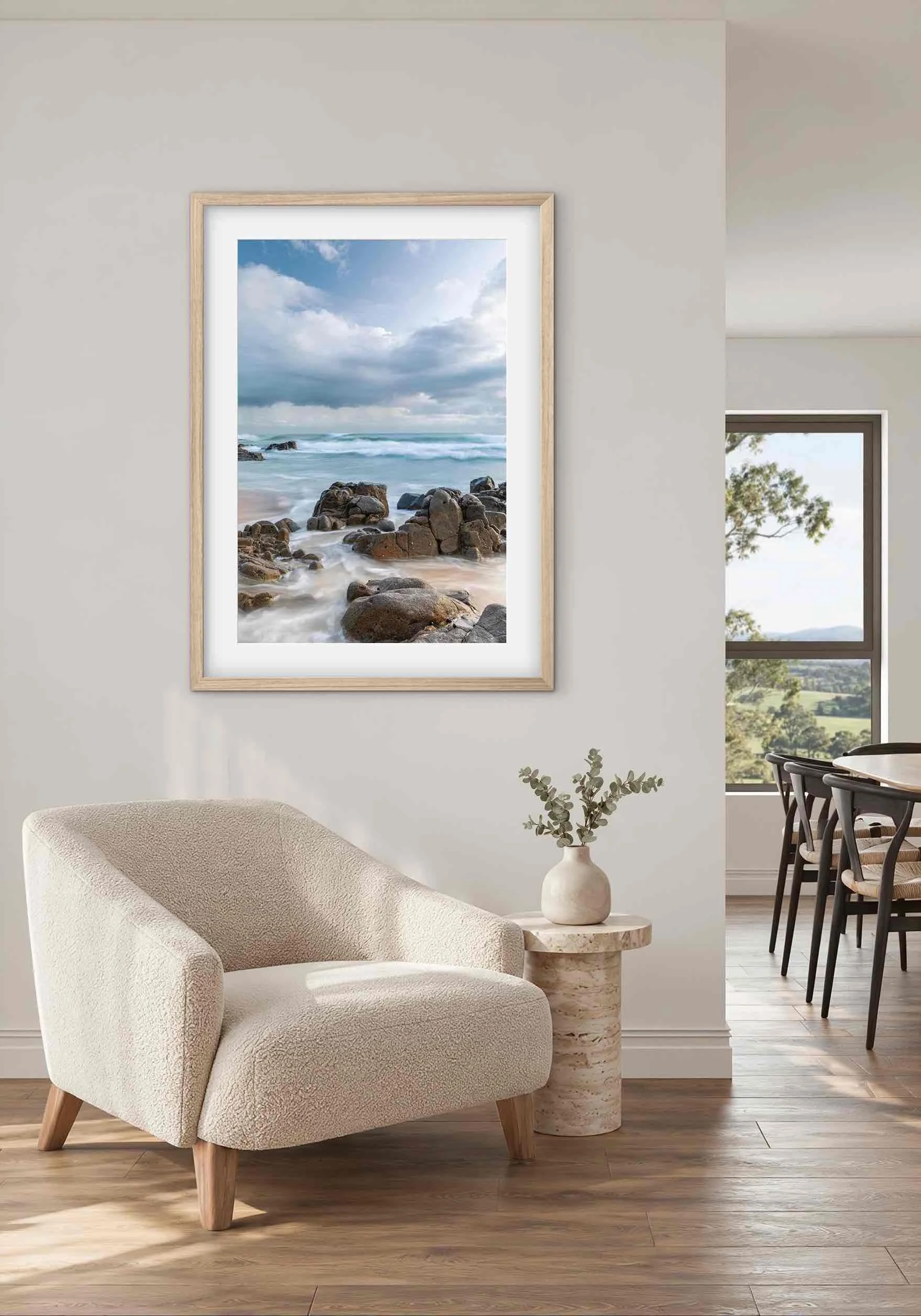
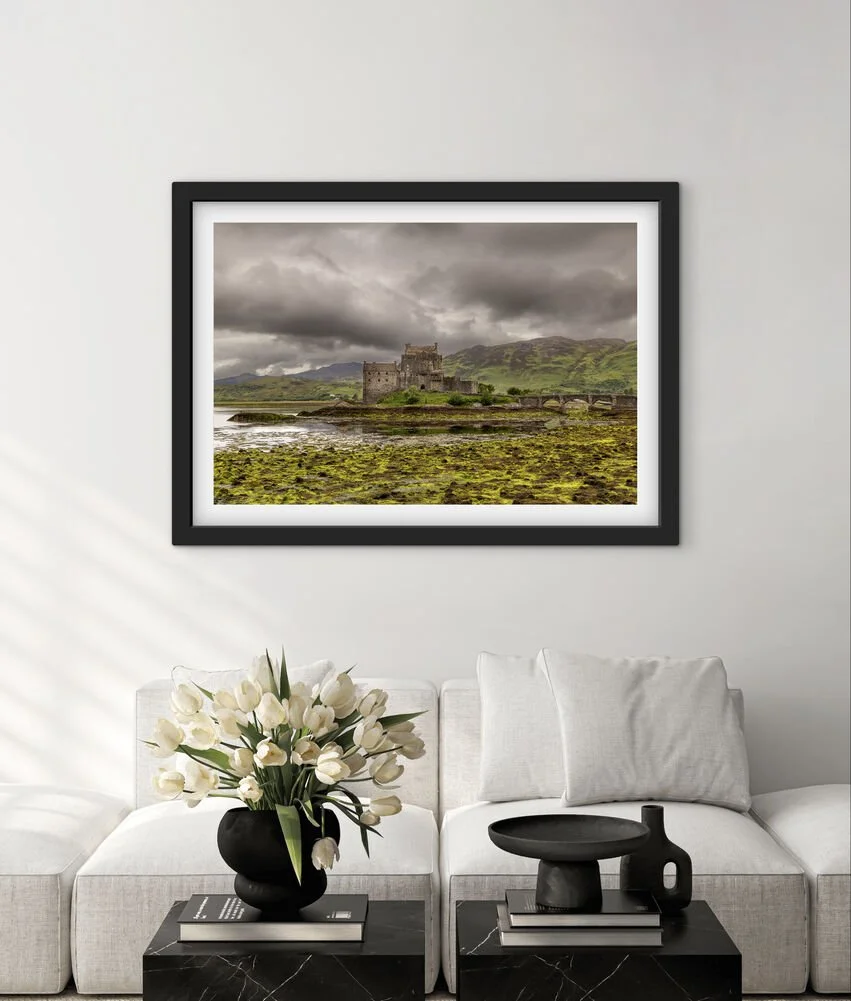
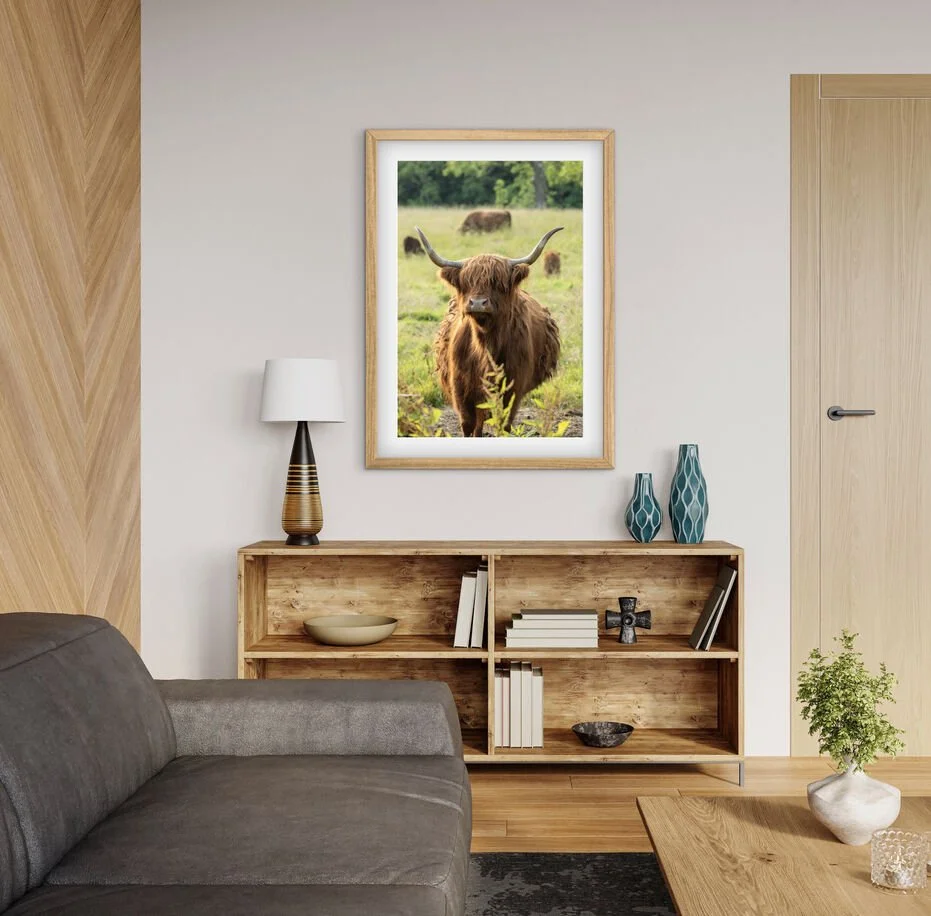
The Difference Between Choosing Art and Living With It
When you first choose a photograph for your home, you’re likely to look at it quite consciously. You notice the colours, light, composition and subject. You might think about how it works with the furniture, the size of the wall or the atmosphere you want the room to have.
Once it’s hanging in your home, that relationship begins to change. You don’t stand in front of the print analysing it every day. Instead, it becomes part of the background of everyday life. You might catch sight of it as you walk down the hallway in the morning, notice the light falling across it differently in the afternoon, or look towards it while sitting quietly with a cup of coffee.
That familiarity doesn’t necessarily make the artwork less meaningful. In many cases, it does the opposite.
You Begin to Notice Different Things
One of the things I love about photography is that a single image can hold far more detail than we initially notice.
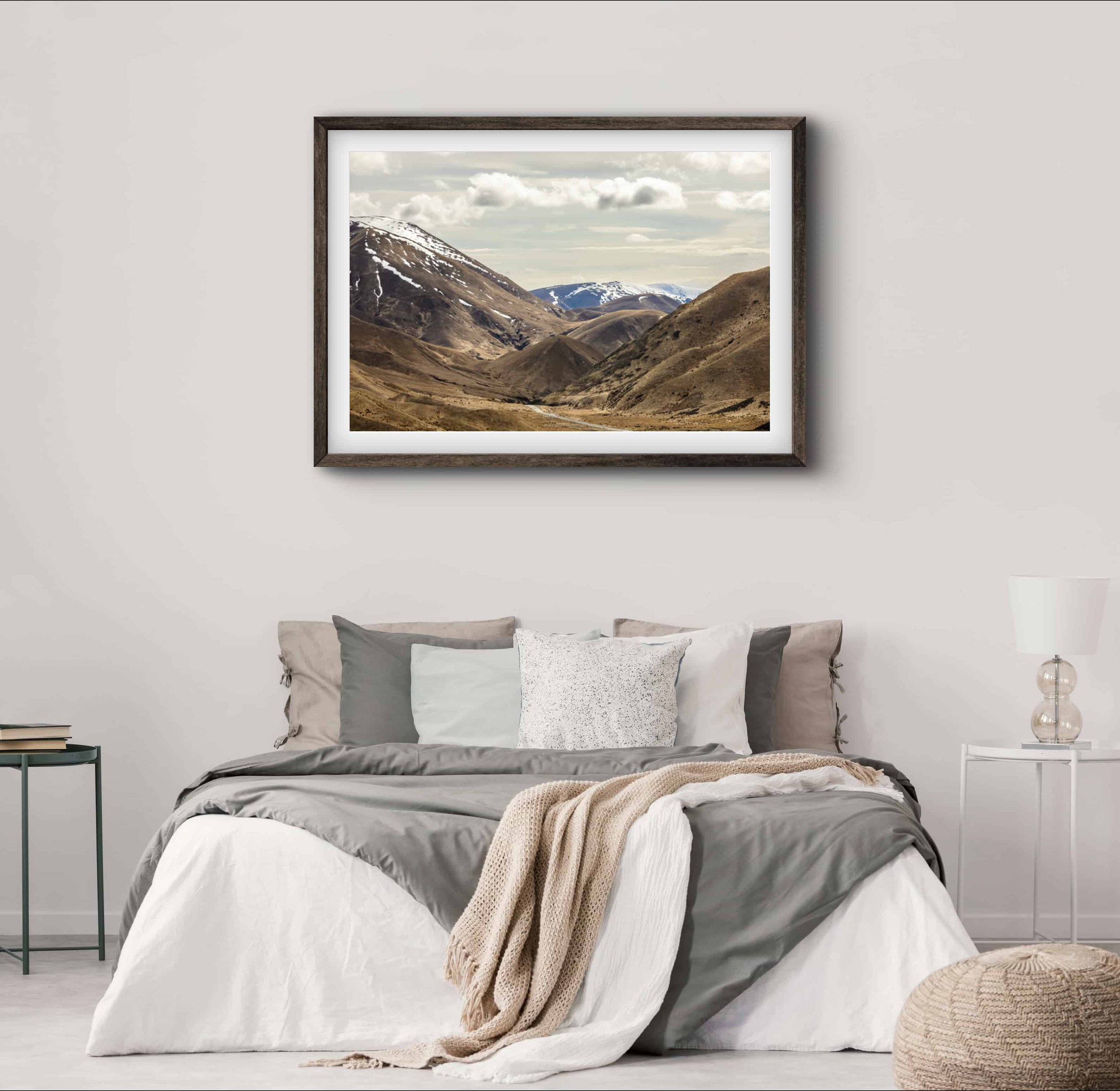
Perhaps you chose a coastal photograph because you loved the soft colours and open space. Months later, you find yourself noticing the texture of the water or a tiny detail in the distance. A landscape you originally loved for its dramatic mountains might eventually draw your attention to the light across the valley instead.
Our own moods and experiences can change what we notice too. On a busy day, your eye might be drawn to the quietest part of an image. At another time, it might be the colour, movement or sense of distance that catches your attention.
The photograph hasn’t changed. The way you’re seeing it has.
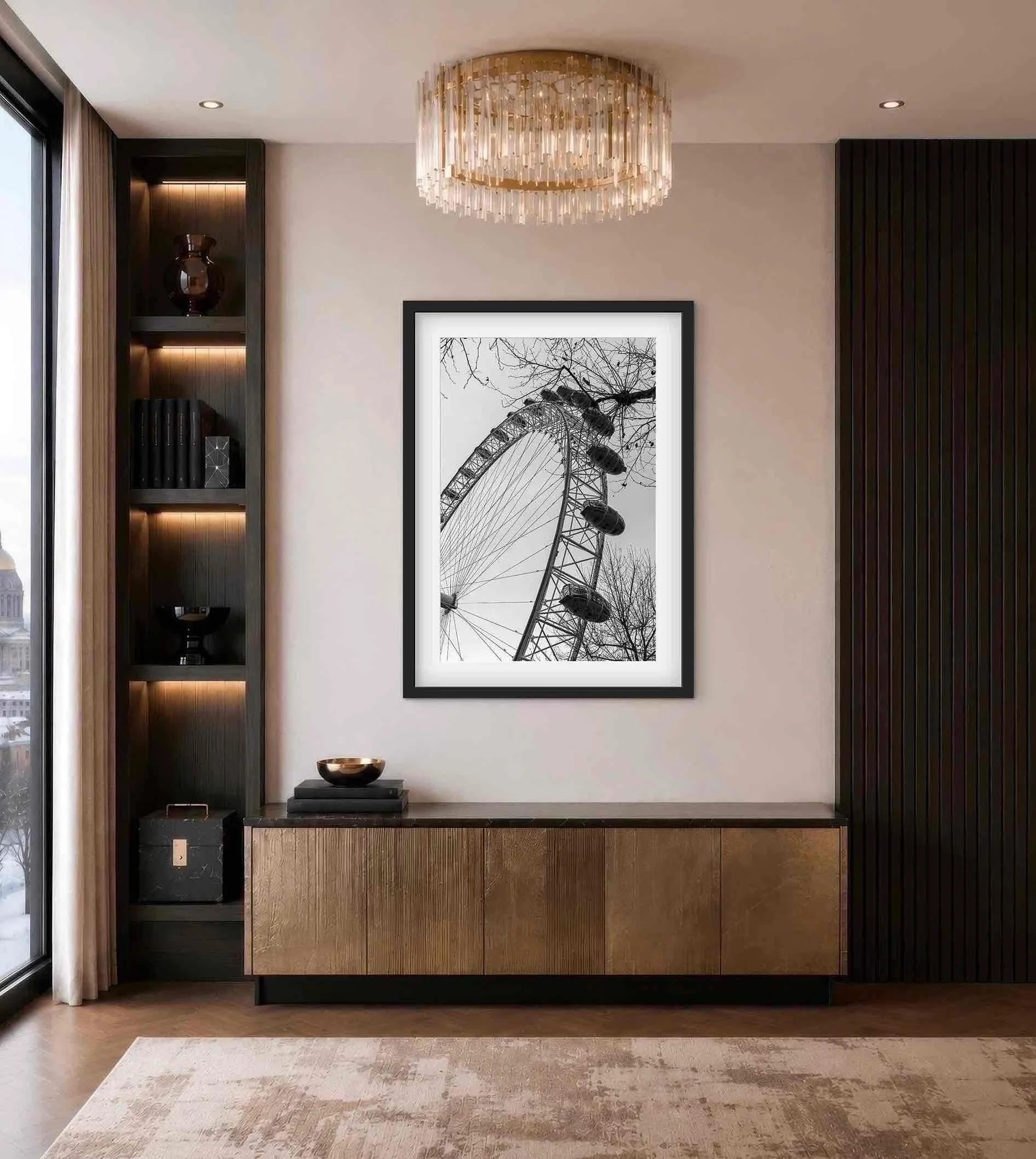
Art Can Become Connected to Your Own Memories
Photography has an interesting relationship with memory because it doesn’t have to depict one of your own experiences to remind you of something personal.
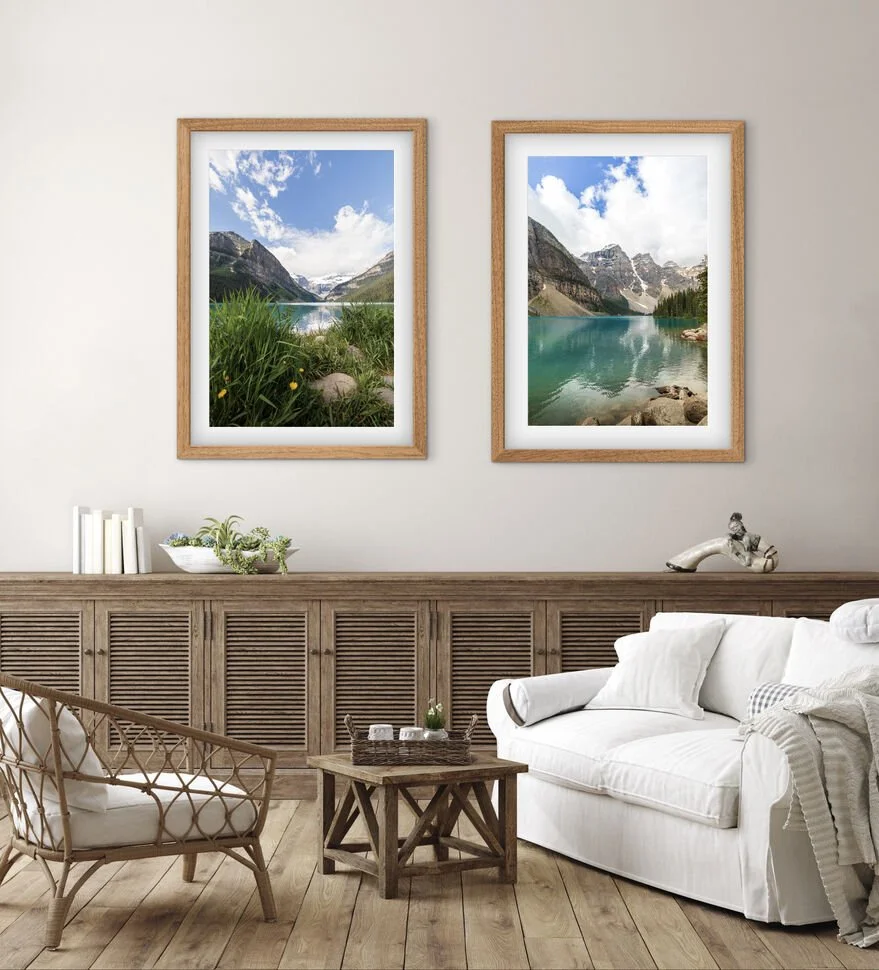
A photograph of the coast might bring back childhood holidays, even if you’ve never visited the beach in the picture. A European street could remind you of wandering through another city years ago. Mountains might make you think of a particular trip, a person you travelled with or simply the feeling of being somewhere completely removed from everyday life.
This is one of the reasons I’ve always been drawn to travel photography myself. When I look back through photographs from places I’ve visited, I don’t only remember what was in front of the camera. I remember pieces of the experience surrounding it: what the morning felt like, where I’d been walking, what happened before or afterwards, and sometimes small details that would otherwise have been forgotten.
When a photograph lives in your home, it can begin collecting another layer of memories as well - your own!
Familiarity Can Give Art More Meaning
There’s sometimes an assumption that we stop noticing things once we see them every day. To an extent, that’s true. You probably don’t consciously admire your favourite chair every time you walk into the room either.
But familiar objects can still contribute enormously to how a home feels.
A print might quietly become part of your morning routine, the backdrop to family dinners or something you see every time you come home. Years later, it may remind you not only of the place or feeling depicted in the photograph, but also of the period of your life when it hung on that particular wall.
That’s quite different from choosing something simply because it matches the room.
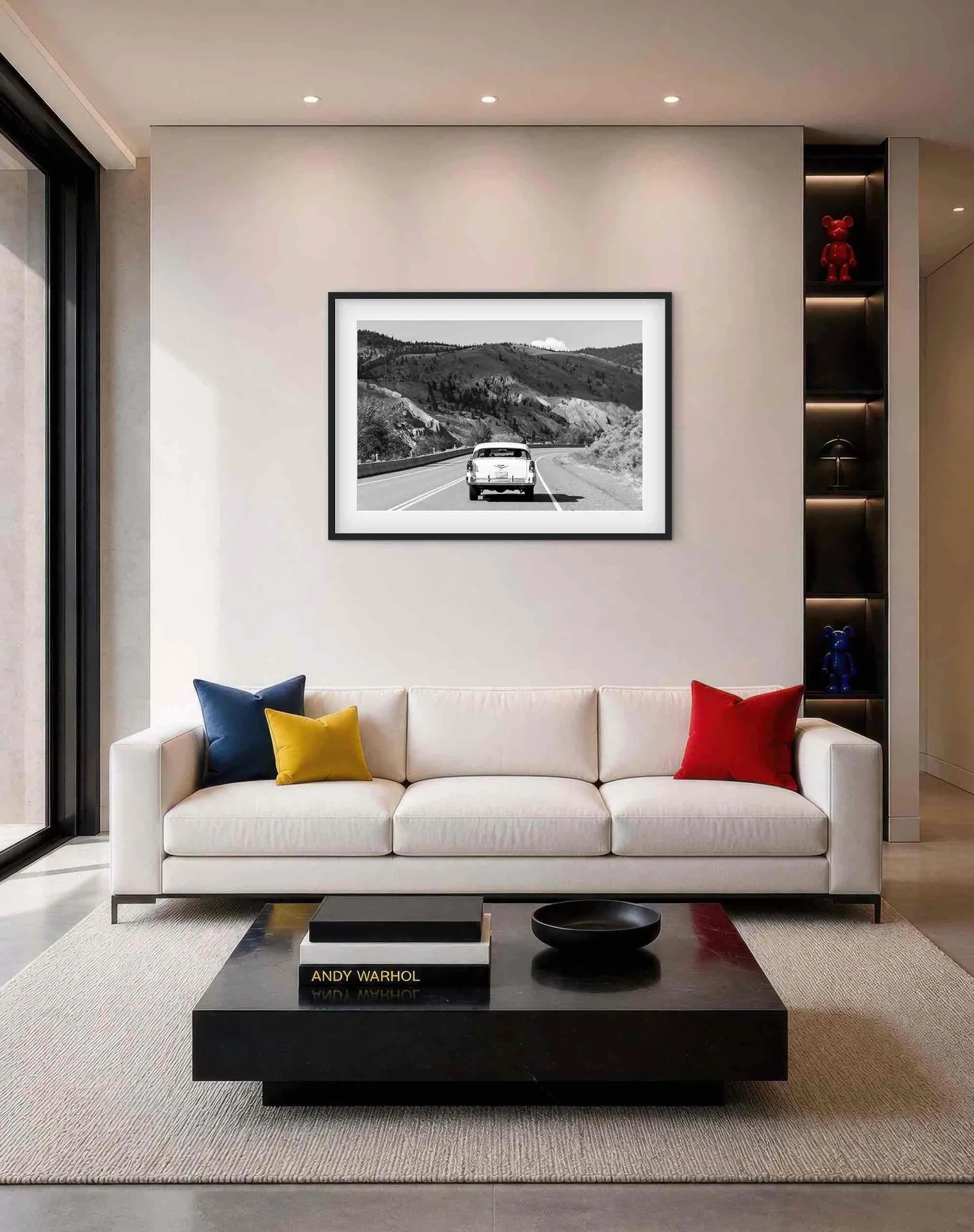
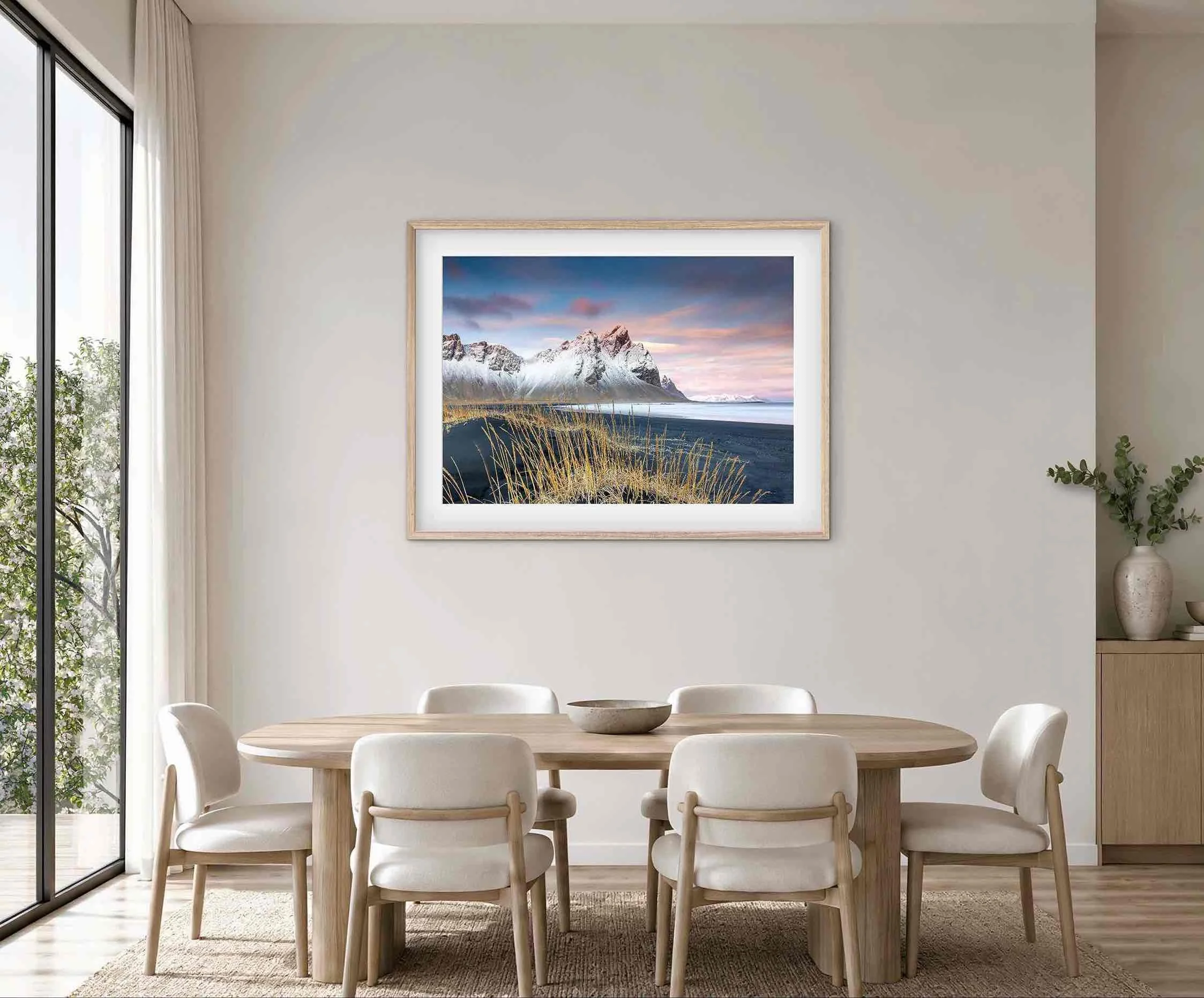
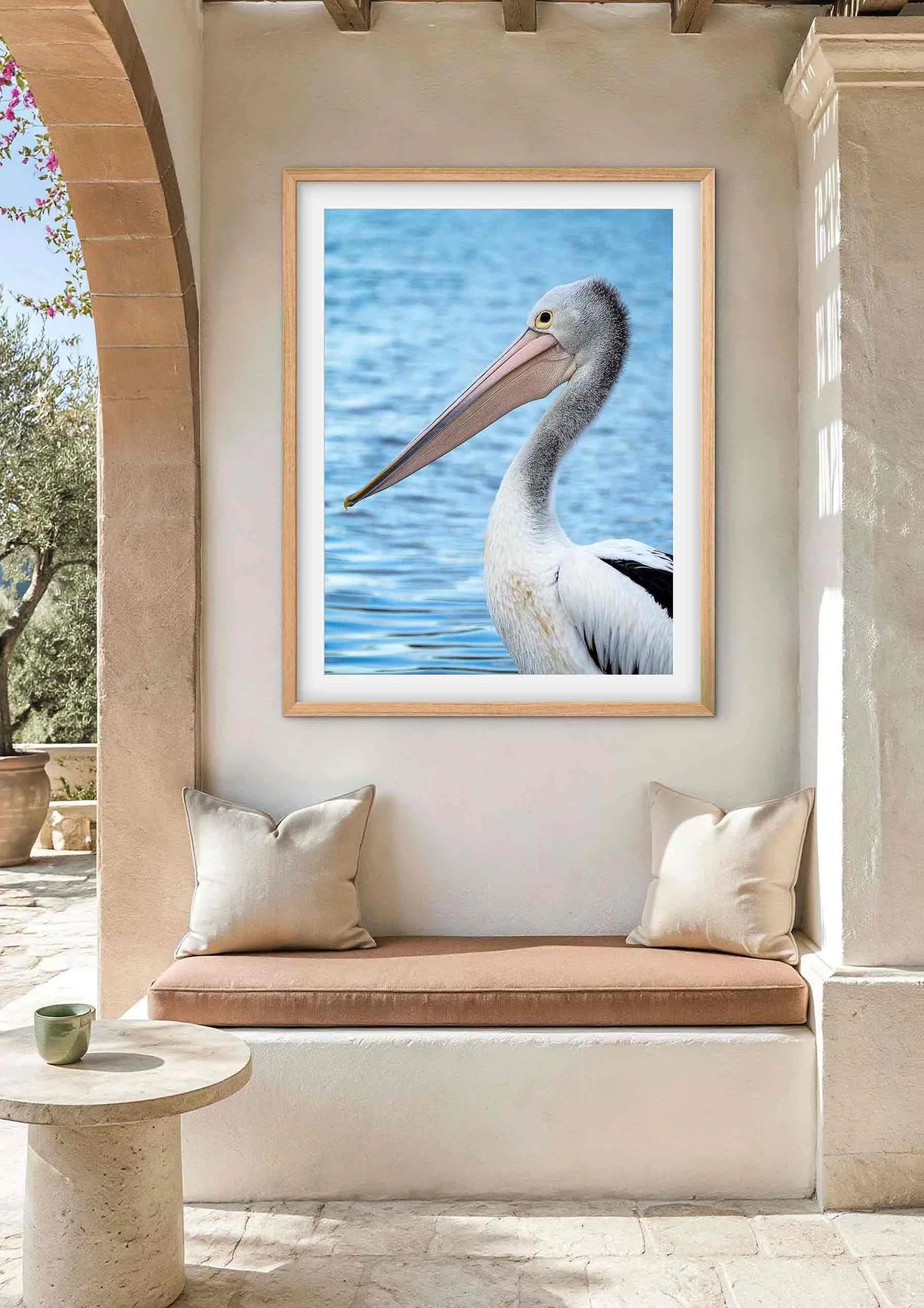
The Right Art Doesn’t Need to Follow a Trend
Living with art over a long period is also why I think it’s worth choosing photographs because you genuinely connect with them, rather than because they suit a particular decorating trend.
Interiors change. Walls are repainted, furniture is replaced and we move from one home to another. A photograph that means something to you can move with you through all of those changes.
It might hang above a sofa in one home and eventually find its way into a bedroom, hallway or home office somewhere else. The surroundings change, but your reason for keeping the artwork may remain.
If you’re choosing a print you hope to live with for years, it can help to ask yourself a slightly different question. Instead of only wondering, Does this work with my room?, consider, Would I still want to look at this if the room changed?
That simple distinction can help separate art you genuinely love from something that simply works with your current décor.
Sometimes Art Becomes Part of a Place
There are certain things in our homes that gradually become inseparable from the rooms they occupy. You become so accustomed to seeing them there that removing them leaves the space feeling unexpectedly different.
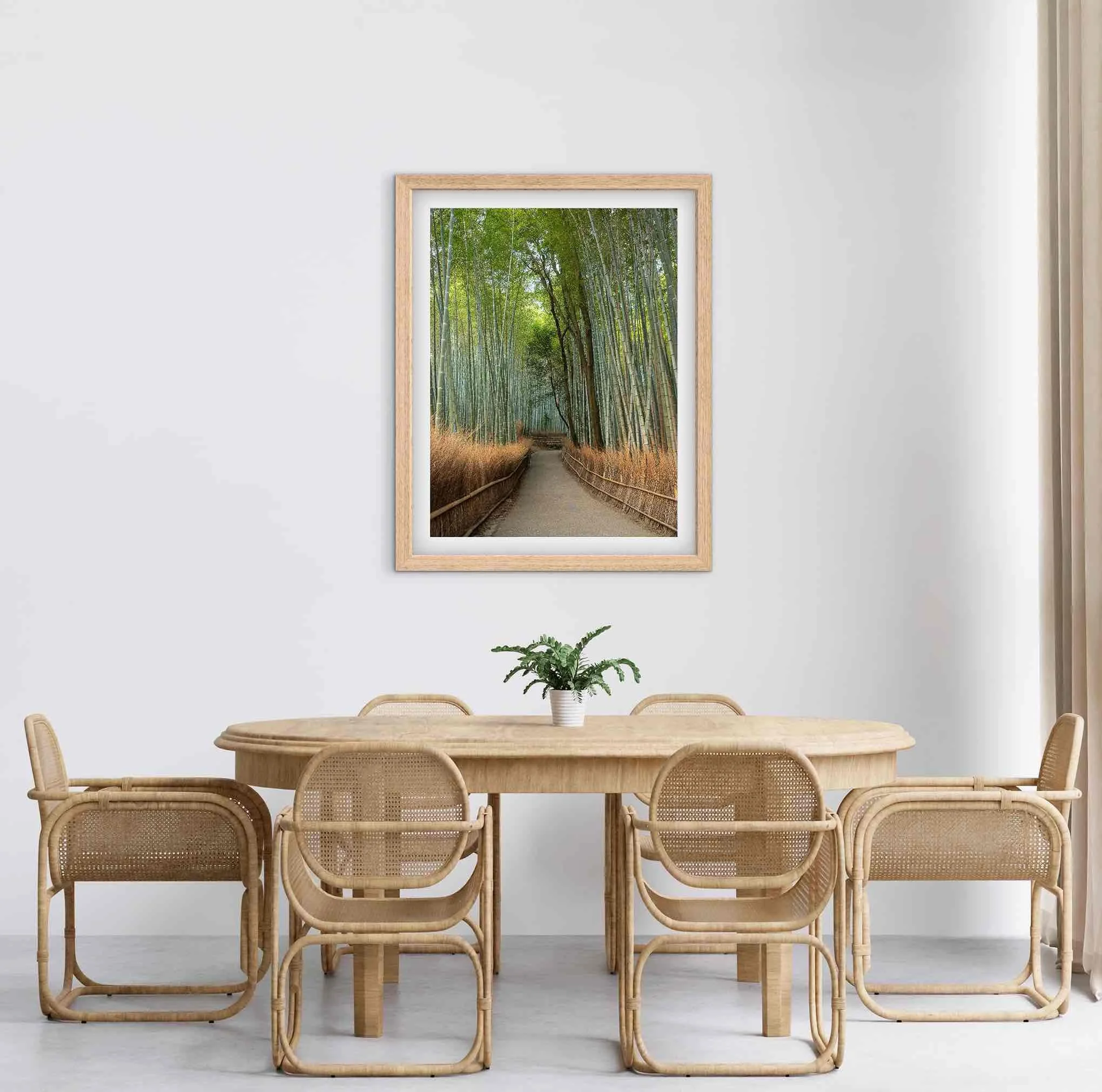
Artwork can have that effect. A large landscape might become the visual anchor of a living room. A smaller print at the end of a hallway might become something you pass dozens of times each week. A peaceful coastal photograph in a bedroom can quietly contribute to the atmosphere of the space without demanding attention.
This is where placement matters too. Choosing the right position allows artwork to become part of the natural rhythm of the room rather than feeling as though it has simply been added to an empty wall.
If you’re still deciding where a piece should go, my guide to how art placement affects the way a room feels explores this in more detail.
Your Connection With a Photograph Can Change Too
Not every piece of art needs to mean exactly the same thing forever.
Perhaps you originally bought a photograph because you’d visited the location. Years later, the memory of the trip becomes less important than the way the image makes the room feel. Or perhaps you simply loved the photograph when you bought it, but over time it becomes connected with a particular home or chapter of your life.
That changing relationship is part of living with art. We change. Our homes change. The things we value change. A meaningful piece of art has the ability to come along with us rather than needing to be replaced whenever our surroundings do.
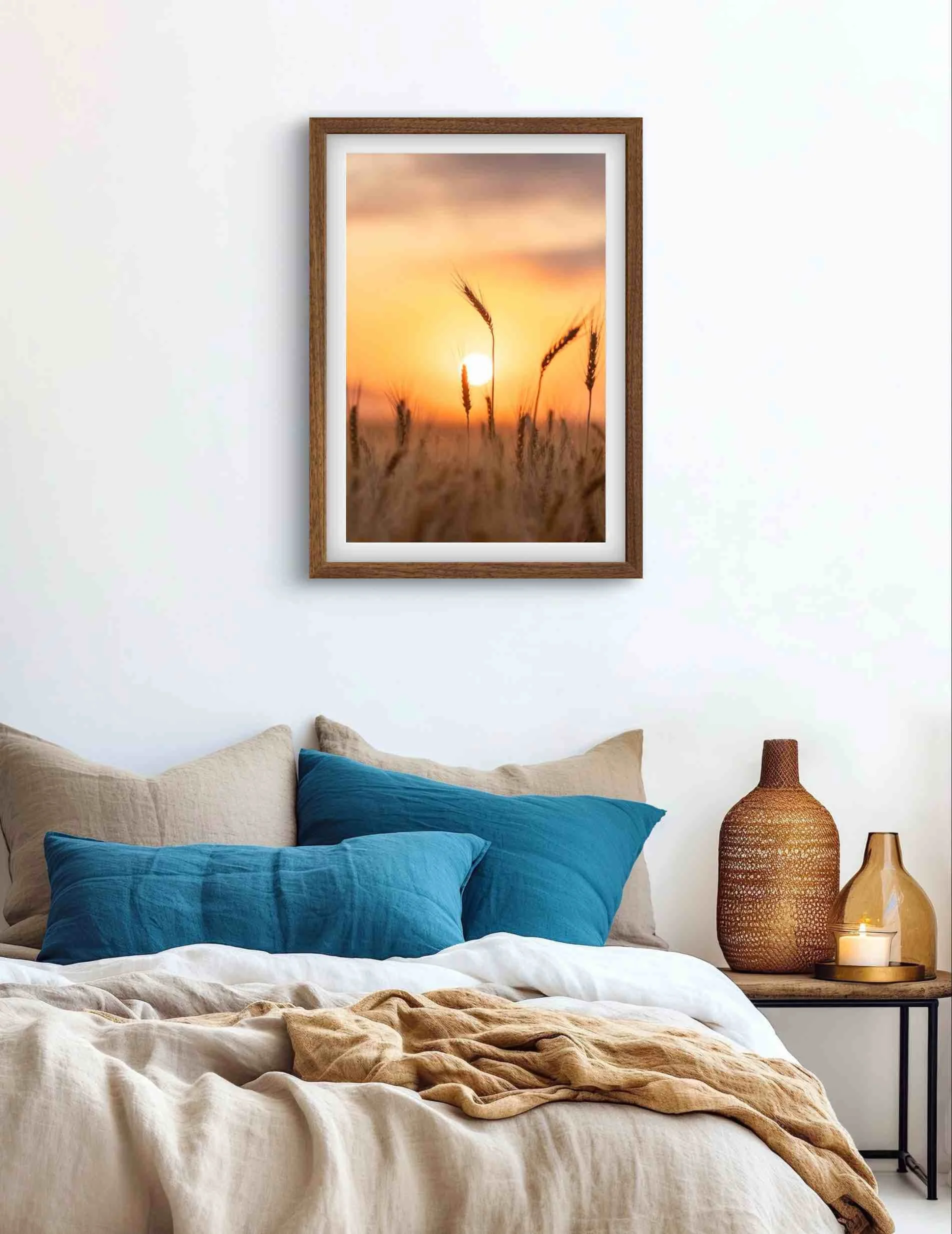
Choosing Art You’ll Want to Keep
There’s no reliable way to know exactly how you’ll feel about a piece of art ten years from now, but there are a few useful questions you can ask before choosing one.
Does the image make you feel something beyond simply liking the colours? Does it remind you of a place, experience or atmosphere you value? Are there details you can imagine enjoying over time? Would you still like the photograph if you changed the furniture around it?
Most importantly, would you choose it because you want to live with the image, rather than because you need something to fill the wall?
If you’re unsure where to begin, Choosing Art That Still Feels Right Years From Now looks more closely at choosing pieces with longevity in mind.
Art Becomes Part of the Story of a Home
The most meaningful homes aren’t usually created all at once. They develop gradually as we collect things, travel, move, rearrange rooms and discover what we genuinely enjoy living with.
Art can become part of that process. A photograph may begin as an image that caught your attention, but after years on your wall, it can carry far more with it. It might remind you of a journey, represent somewhere you hope to visit, create a feeling you enjoy returning to, or simply become an inseparable part of a familiar room.
That’s one of the things I find most appealing about living with photography. A print doesn’t have to demand your attention every time you enter the room to have value. Sometimes its role is much quieter than that.
It becomes familiar. It becomes personal. Eventually, it becomes part of home.
If you’d like to find a photograph you can imagine living with for years to come, you can browse the Lens Art Images fine art photography print collection, featuring landscapes, coastal scenes, travel photography and quiet moments from places near and far.
Leah Hermann
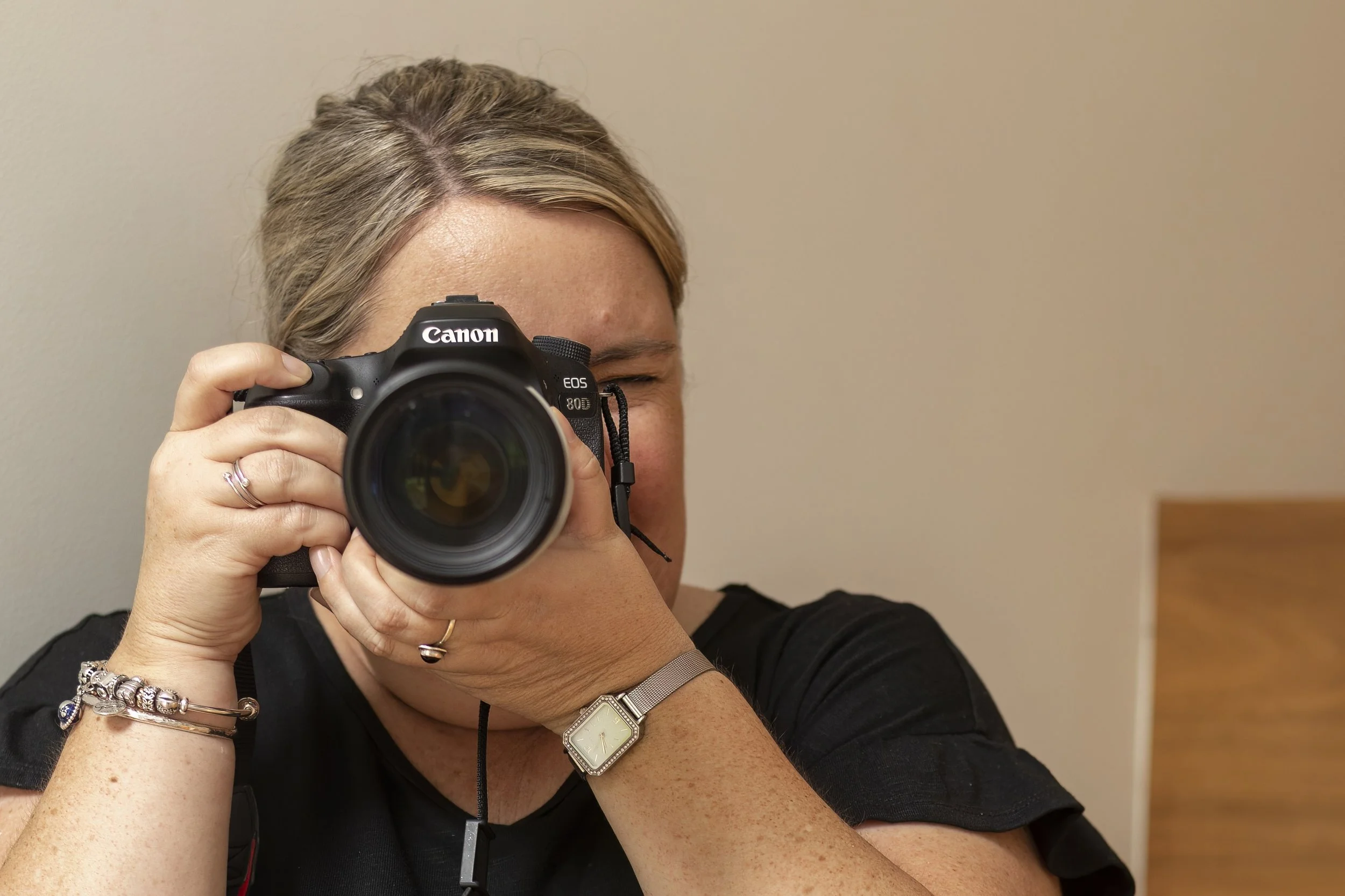
Leah Hermann is a landscape and travel photographer based on the Sunshine Coast, Australia. Through her brand Lens Art Images, she creates fine art photography prints inspired by coastlines, mountains, and destinations around the world, designed to bring a sense of place and calm into everyday spaces.