
Fine Art Photography Prints vs Mass-Produced Wall Art
What’s the difference, and which one belongs in your home?
Choosing wall art can feel surprisingly difficult. Many prints look similar online but feel completely different once they’re in your space.
This often comes down to one key difference. Is it a fine art photography print or mass-produced wall art?
Understanding that difference makes it much easier to choose pieces that don’t just fill a wall, but quietly shape how your home feels over time.
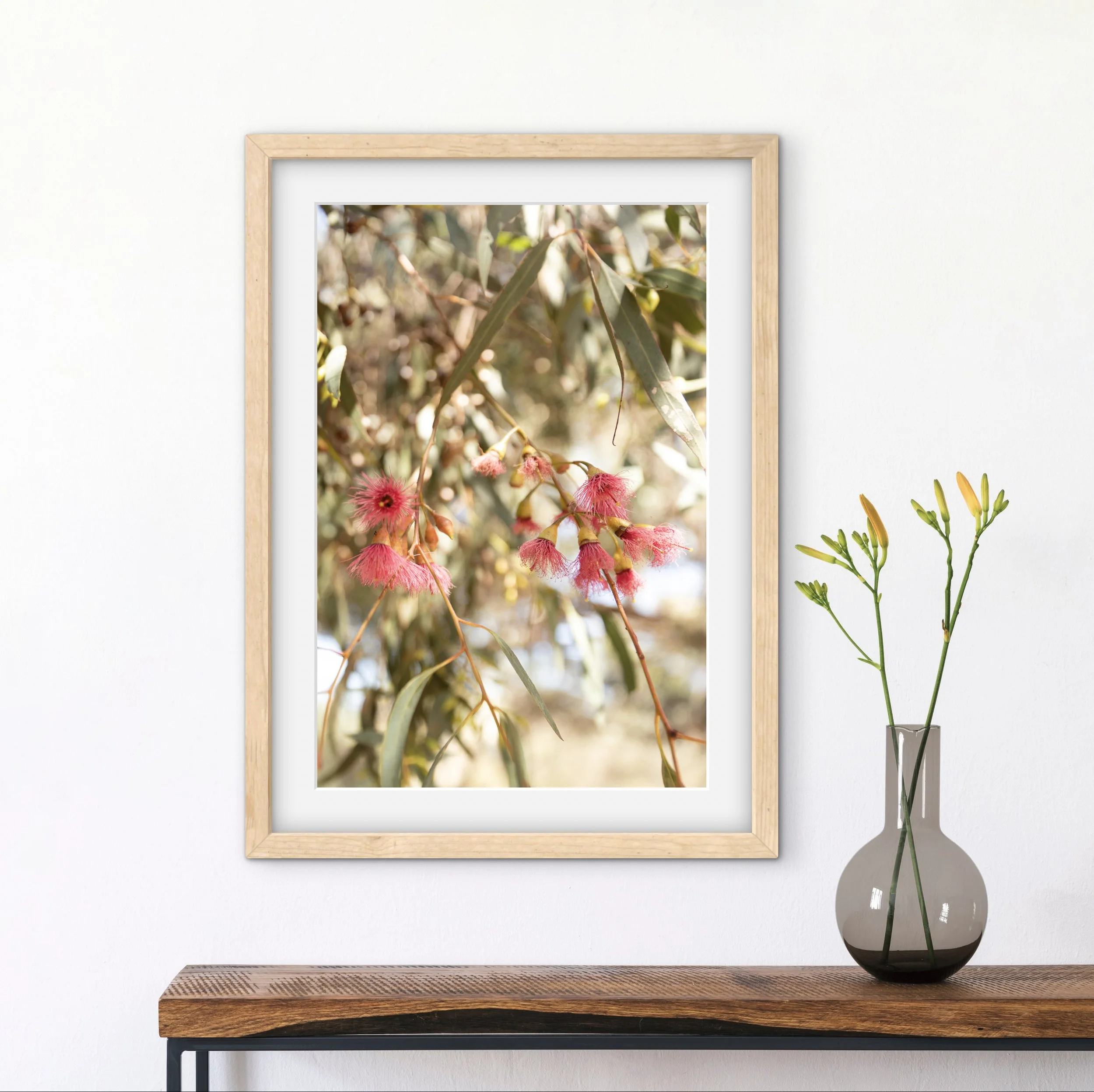
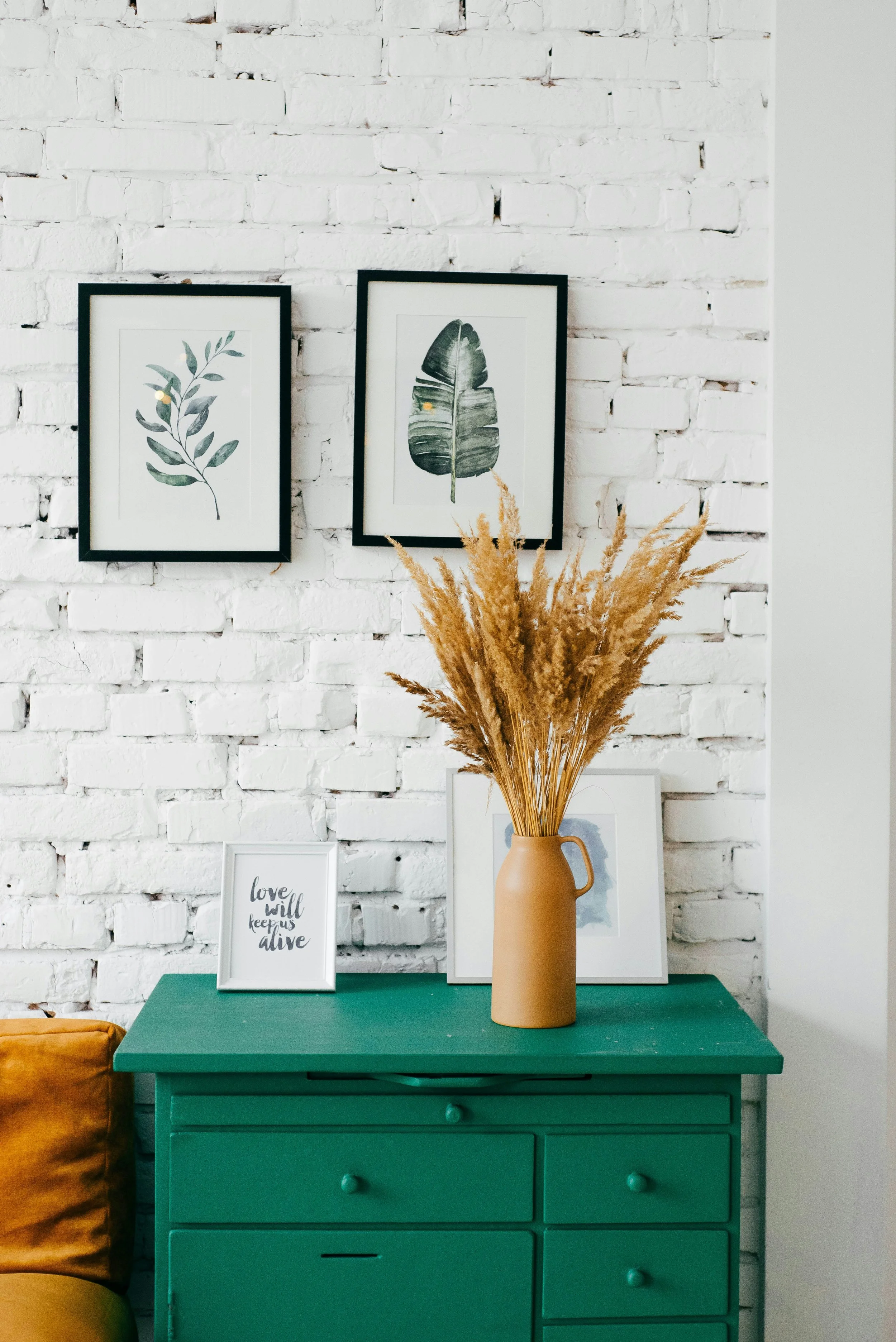
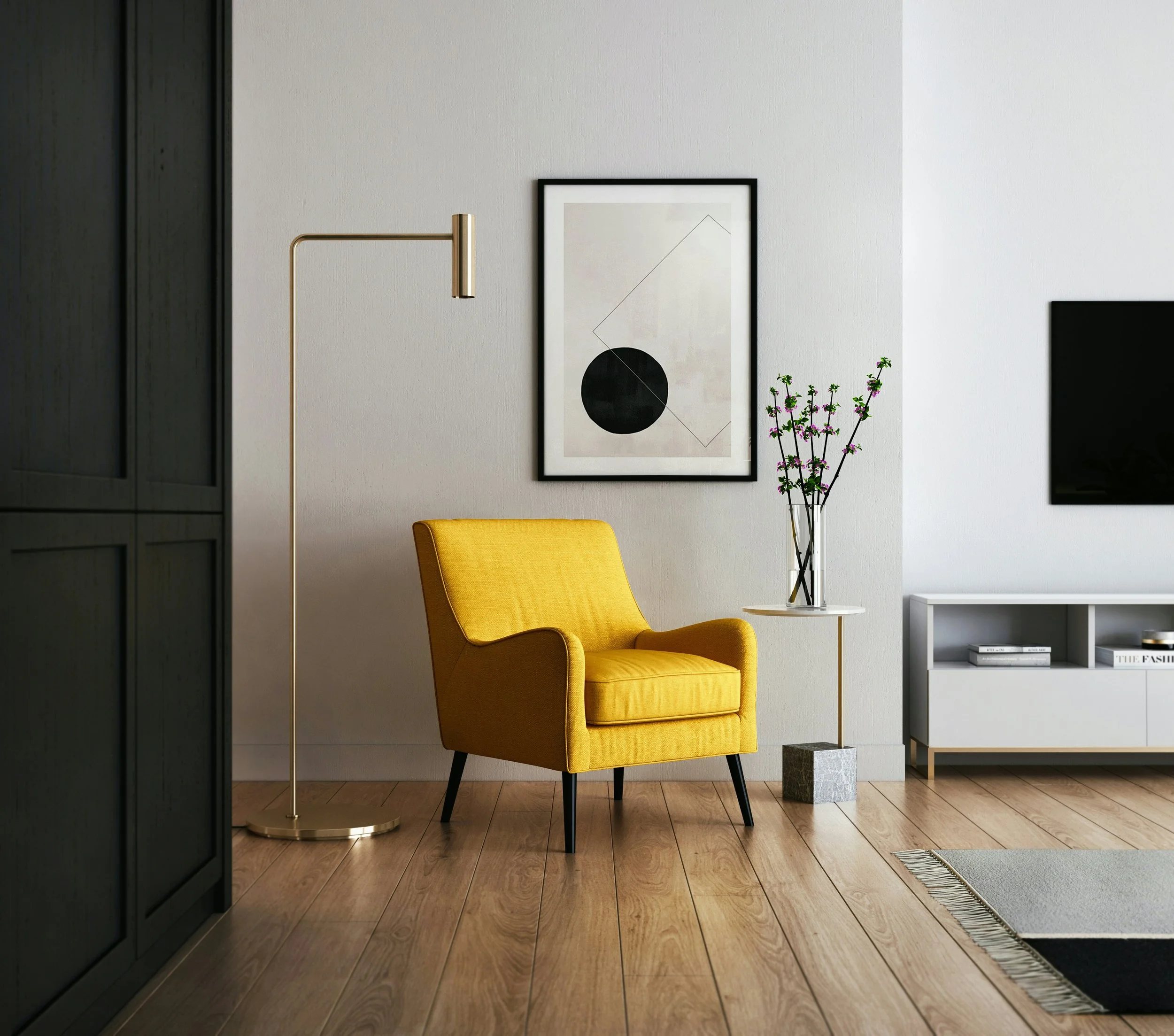
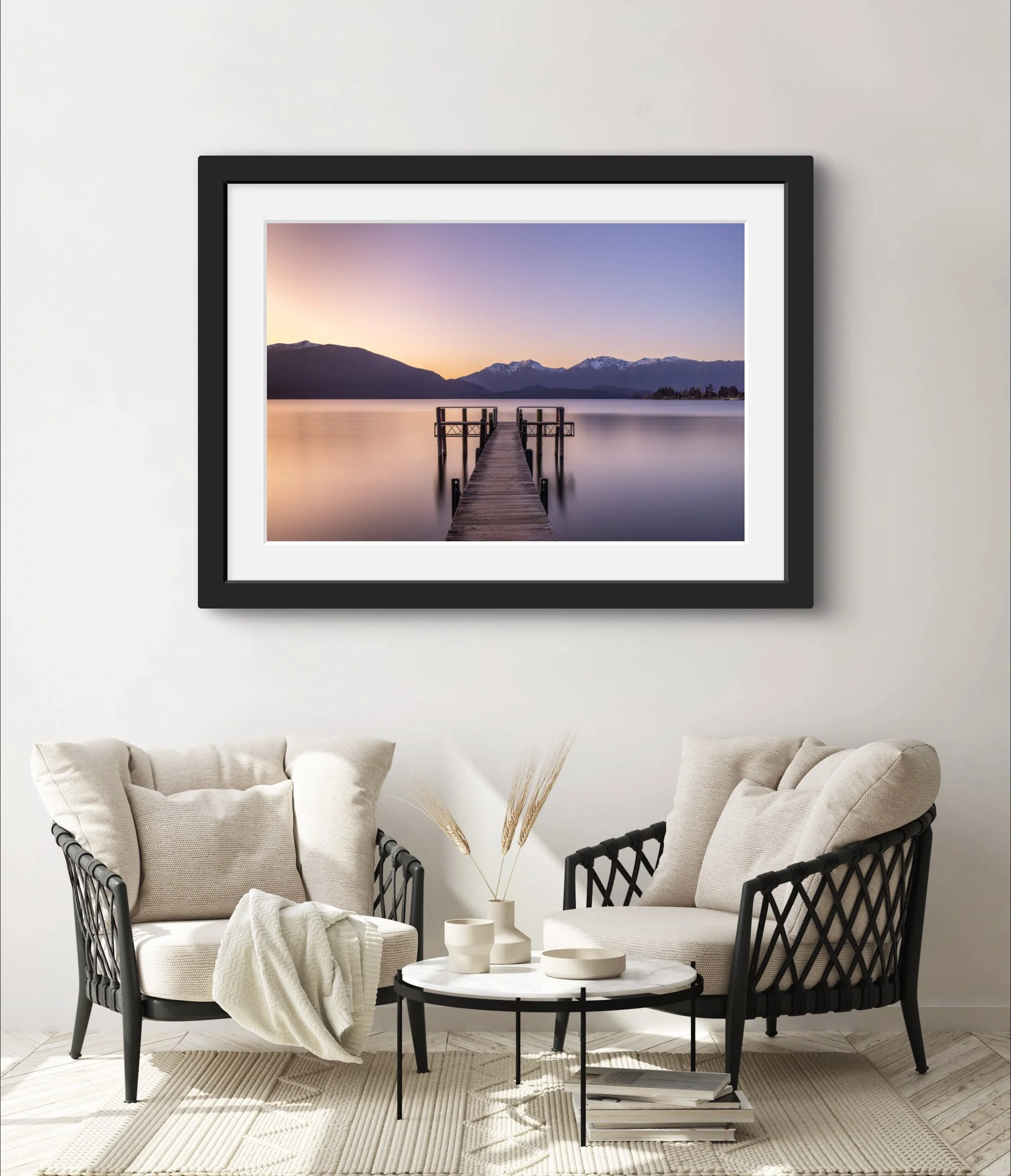
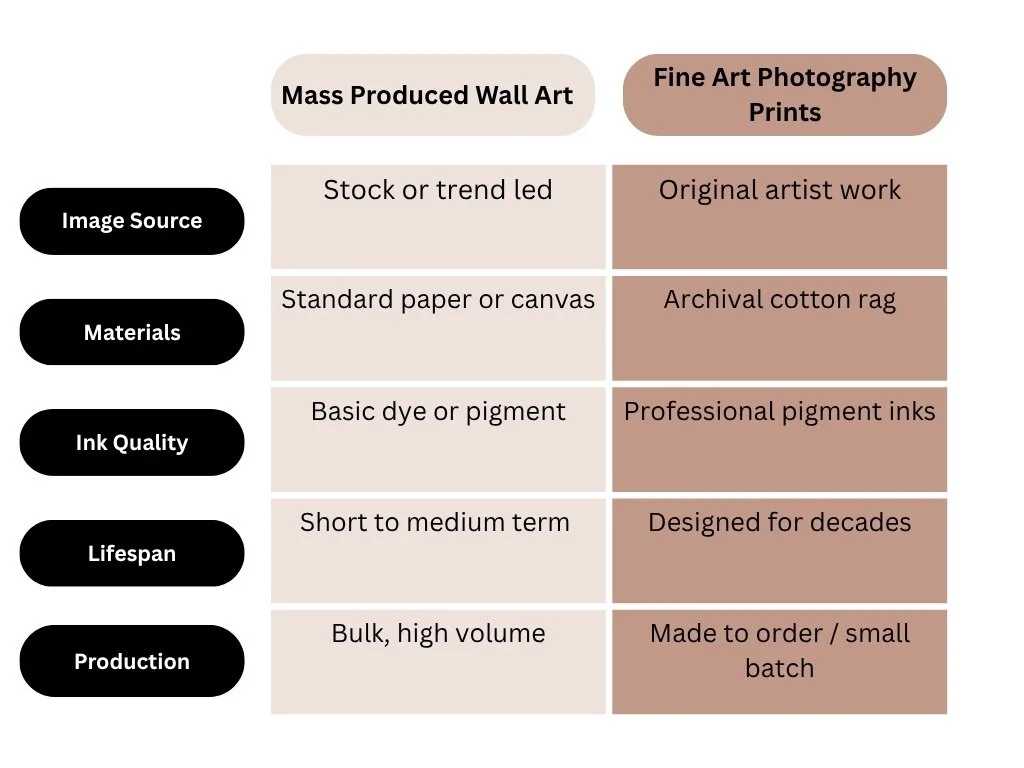
Fine art photography prints are artist-created, printed on archival materials, and designed to last for decades. Mass-produced wall art is created for volume, often trend-led, and typically produced on lower-grade materials with a shorter lifespan.
What is mass-produced wall art?
Mass-produced wall art is designed for accessibility and speed. The same image is reproduced at scale and distributed widely. You’ll usually find it:
In large homewares and décor stores
Sold as posters or ready-made canvas prints
Produced in bulk using standard materials
Designed to align with current interior trends
It serves a purpose. It’s quick, affordable, and easy to style but it’s typically created to be replaced, not kept long-term.
What makes fine art photography prints different?
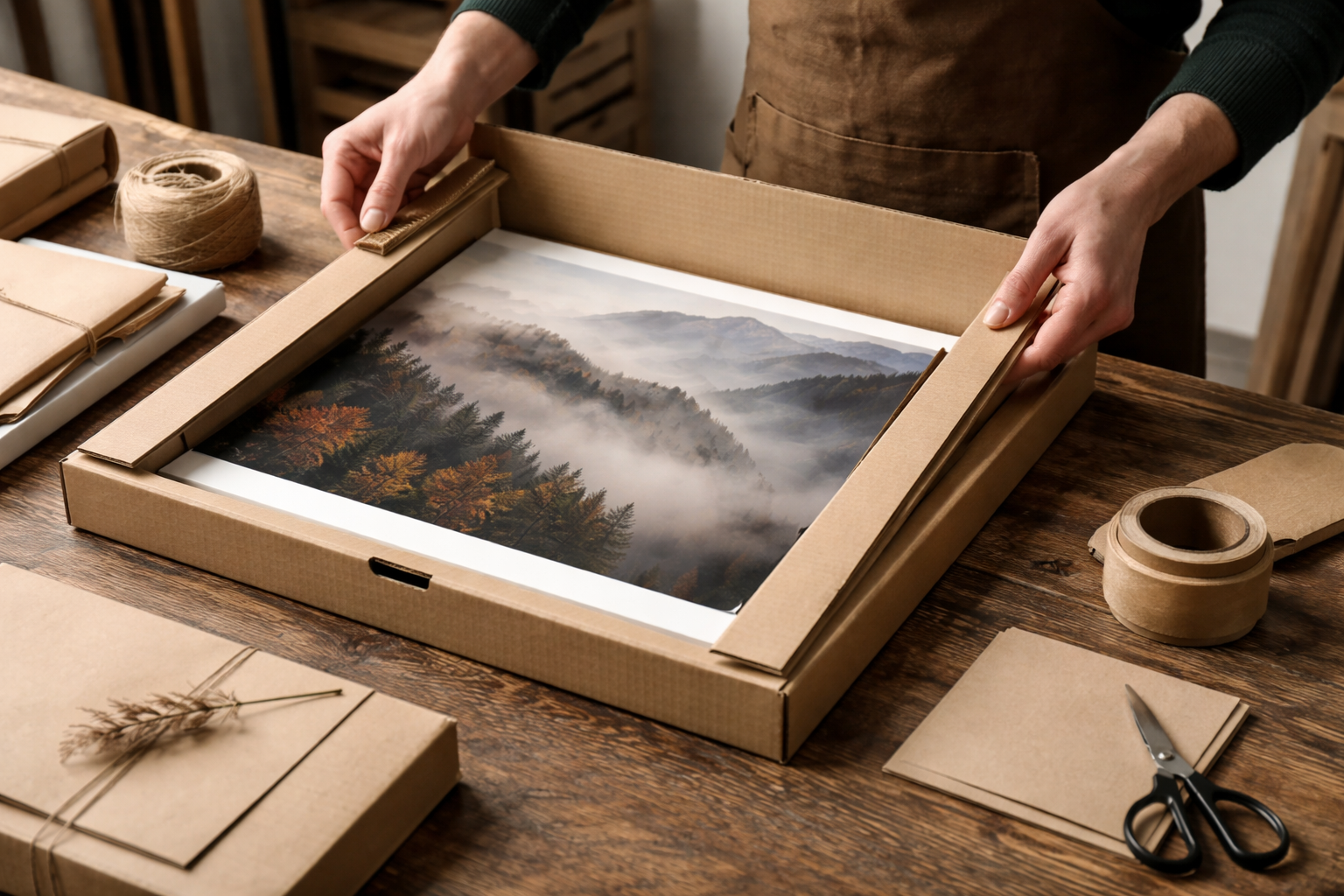
Fine art photography prints are created more slowly and intentionally. Each step, from capturing the image to printing it, is considered.
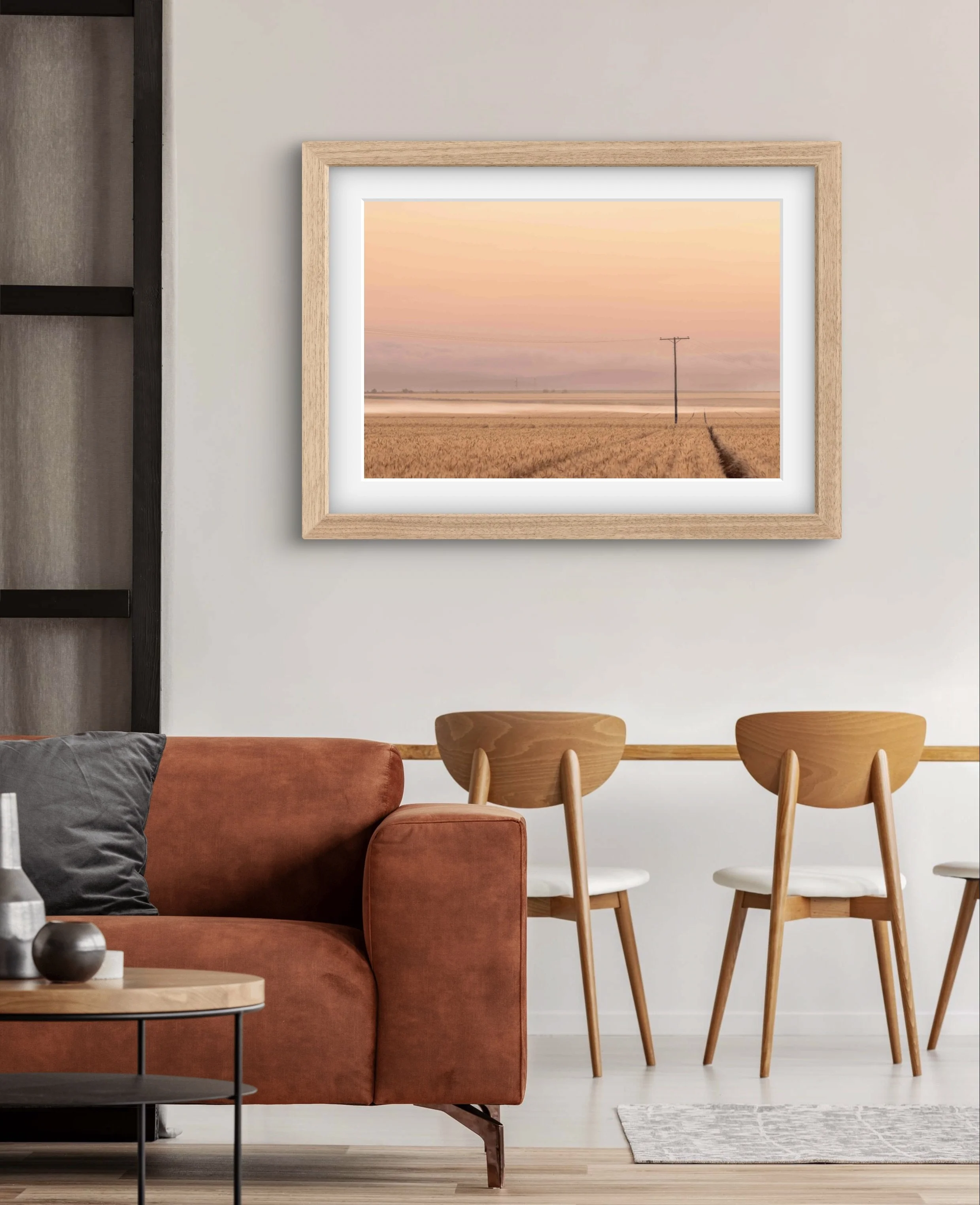
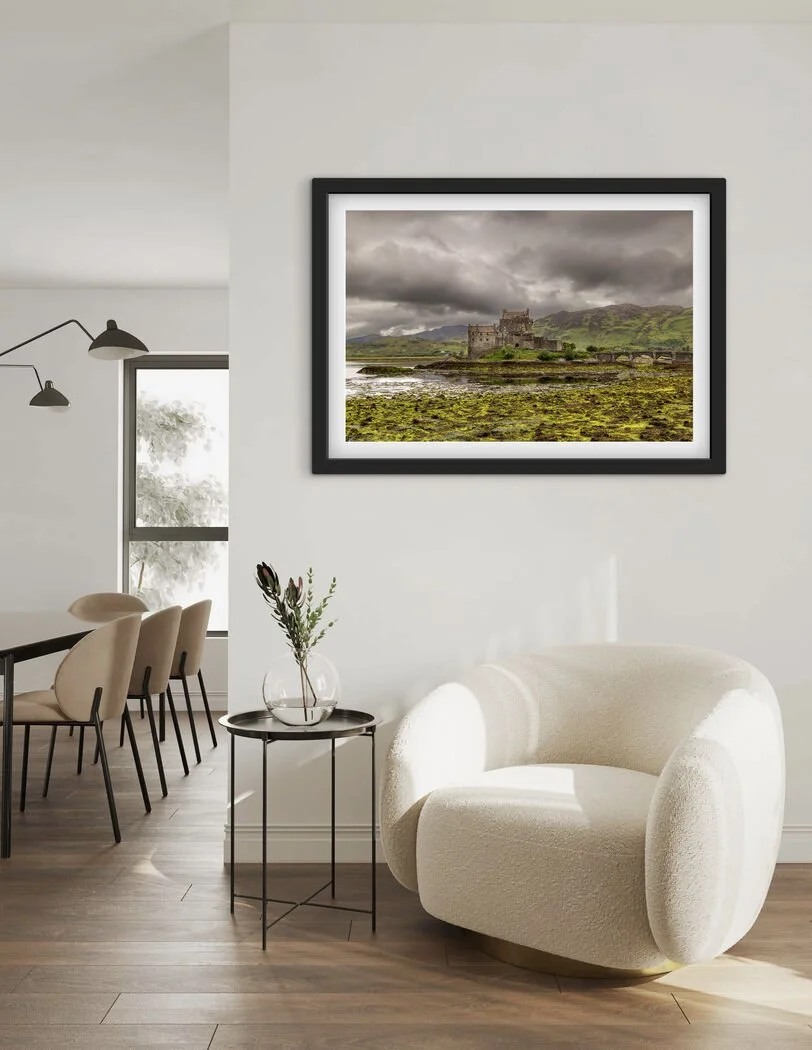
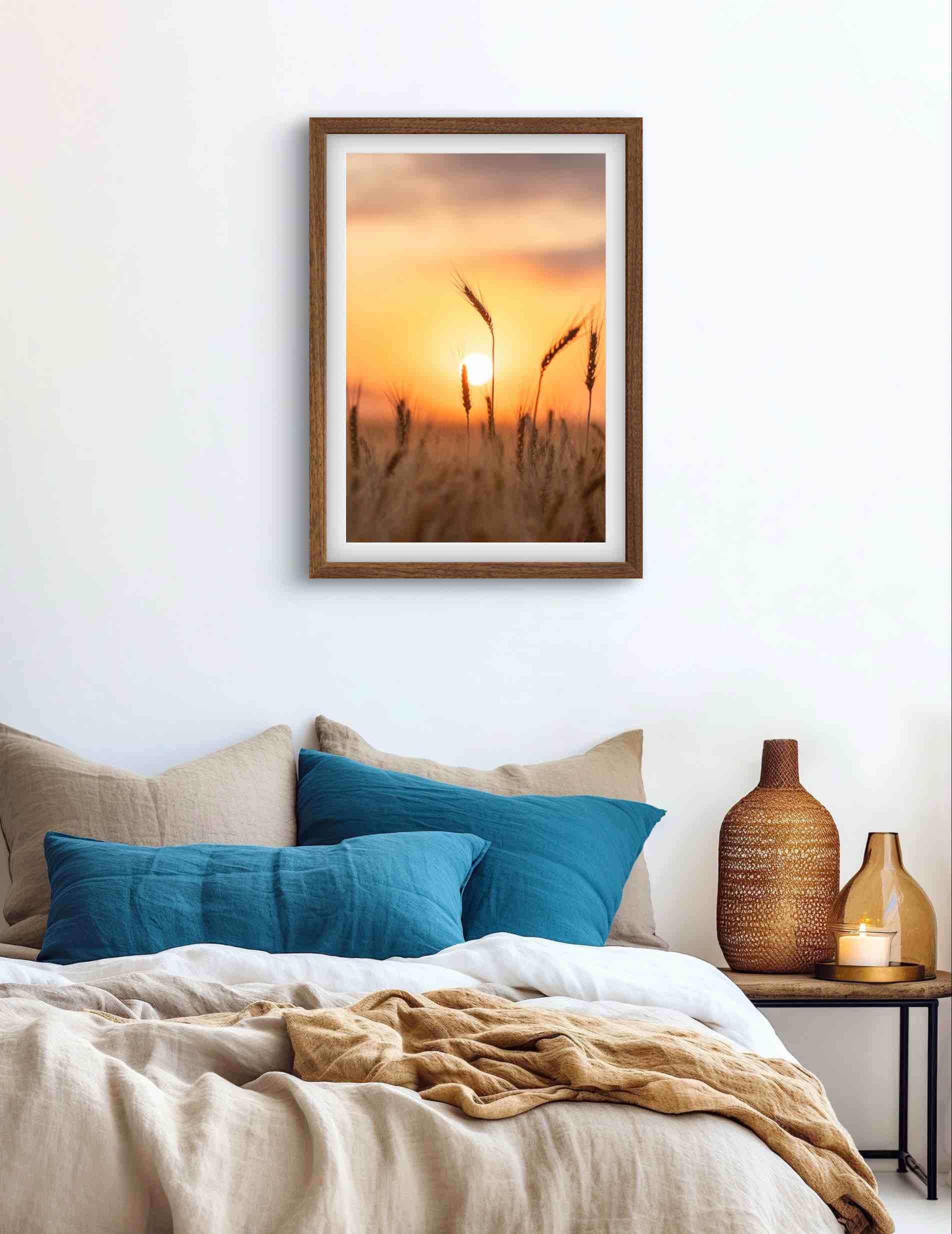
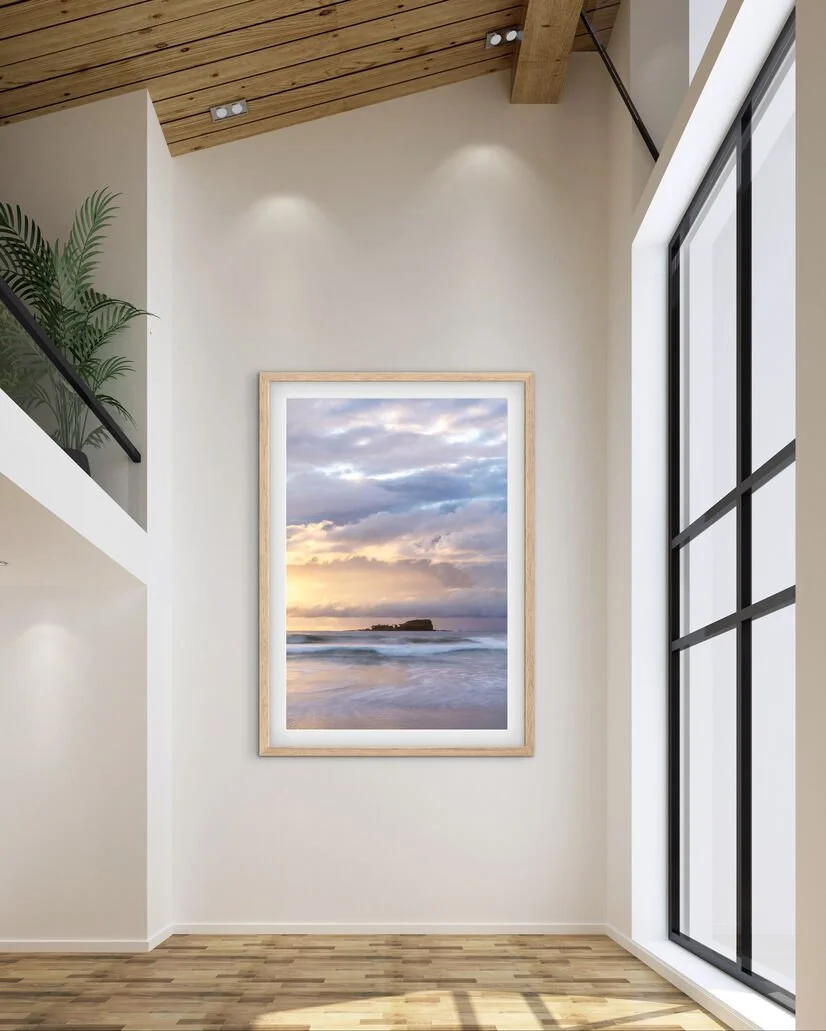
Here’s where the difference becomes clear.
1. Originality and authorship
Mass-produced prints are often sourced from image libraries or created to meet trend demand. The artist may not be visible or connected to the final product.
Fine art photography prints are:
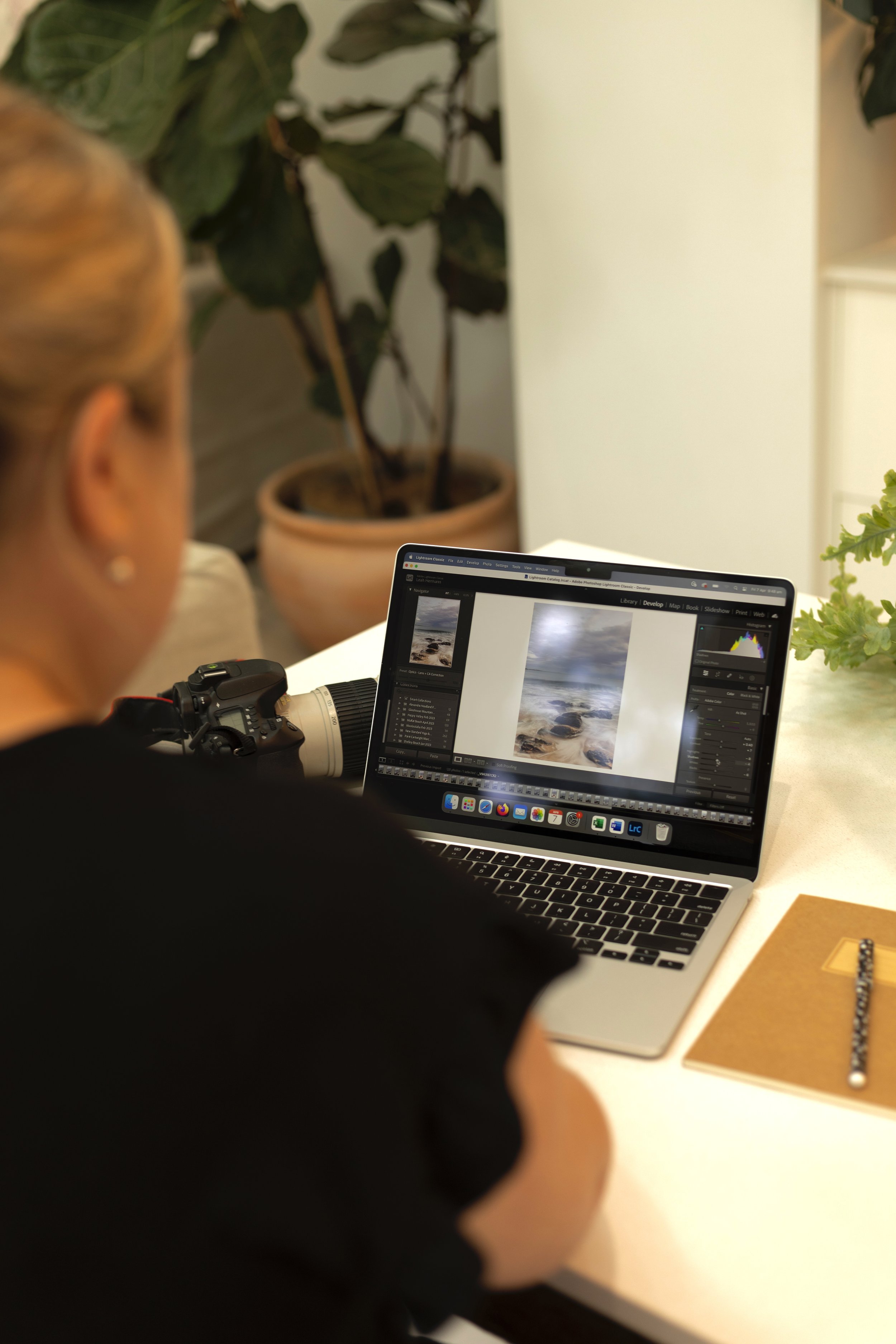
Captured by a specific photographer
Composed with intention, not just decoration in mind
Connected to a real place, moment, or experience
That connection is often what gives the work its depth.
2. Print quality and materials
One of the most noticeable differences is in the materials used.
Mass-produced wall art is commonly printed on:
Thin poster paper
Basic canvas
Non-archival inks
Fine art photography prints are produced using:
Archival pigment inks
Museum-grade cotton rag paper
Processes designed to preserve detail and tonal range
At Lens Art Images, prints are created on Ilford Galerie Textured Cotton Rag, a paper chosen for its soft texture and ability to hold depth and detail over time.
3. Longevity and how the print ages
Mass-produced prints are not typically designed for long-term display. Over time, they may:
Fade with exposure to light
Shift in colour
Lose contrast and detail
Archival fine art prints are designed to remain stable for decades when properly cared for.
If you’d like guidance on protecting your artwork once it’s in your home, you can explore the Print Care guide on the website. It walks through simple ways to maintain colour, detail, and longevity over time.
This is one of the key reasons fine art prints are often chosen for spaces where the artwork is intended to stay.
4. Production process and scale
Mass-produced wall art is printed in high volumes and stored for distribution.
Fine art photography prints are usually:
Printed to order
Produced in small batches
Individually checked for quality
This slower approach allows for consistency and care in the final result.
5. Price and long-term value
The difference in price reflects the difference in process and materials. Fine art photography prints account for:
The photographer’s time, experience, and perspective
Professional printing processes
Archival materials
Small-scale production
Rather than being replaced regularly, these pieces are often chosen once and lived with over time.
Fine art photography prints vs mass-produced wall art
When each option might suit
There’s no single “right” choice, only what fits your space and intention.
Mass-produced wall art may suit if you:
Need something quickly
Are styling a temporary space
Prefer lower upfront cost
Fine art photography prints may suit if you:
Want your space to feel calm and intentional
Value connection to place, travel, or nature
Prefer fewer, more meaningful pieces
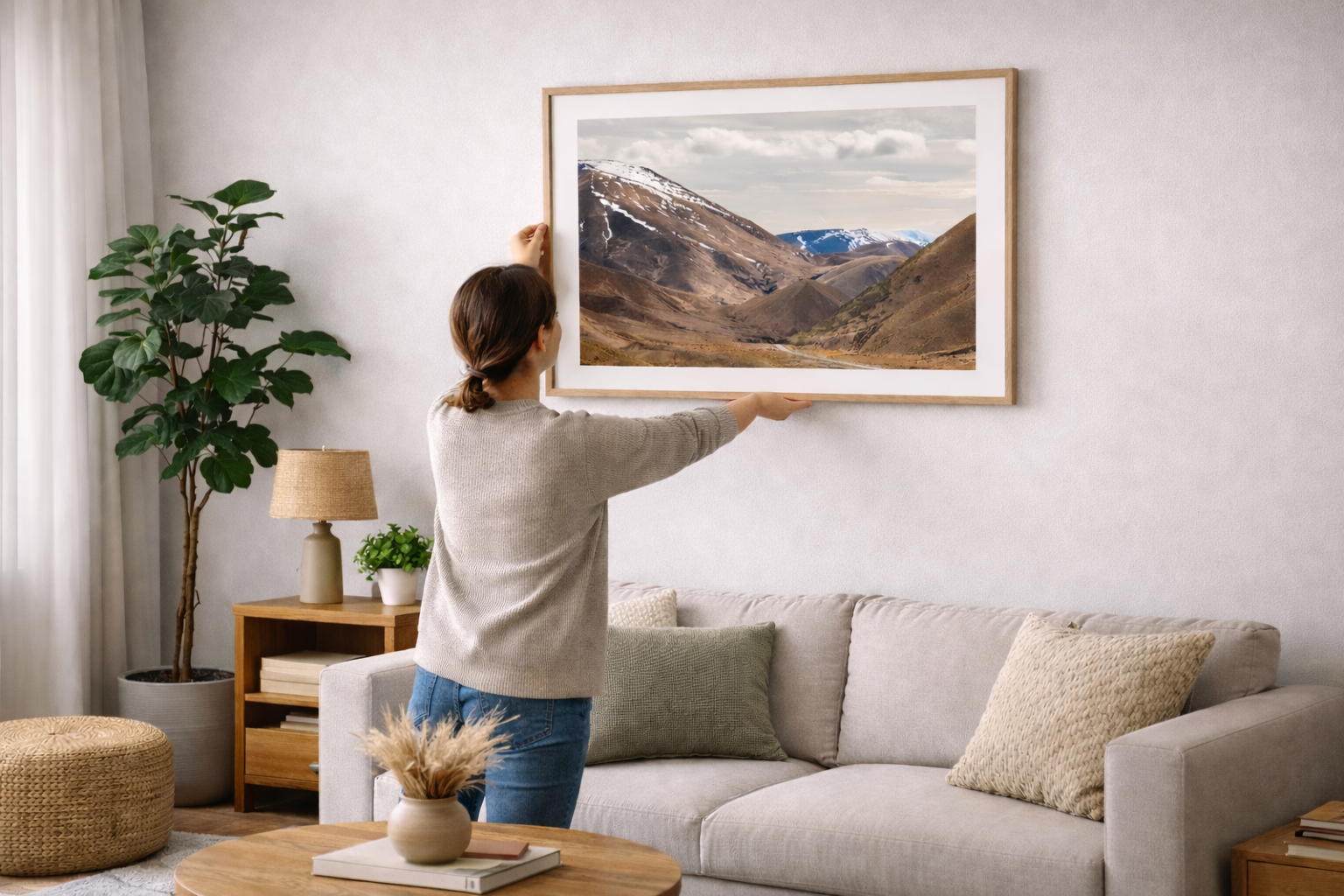
Are choosing art to live with long-term
You can also thoughtfully combine both. This works especially well in gallery walls, where layering different art pieces creates a more personal and collected feel. For example:
Use a fine art photography print as the anchor piece
Add smaller supporting works, including mass-produced prints, vintage pieces, or original paintings
Include subjects you’re drawn to, even if they come from different sources or styles
Keep cohesion through colour, framing style, or spacing
This approach allows your space to feel both considered and flexible, without needing everything to come from one source.
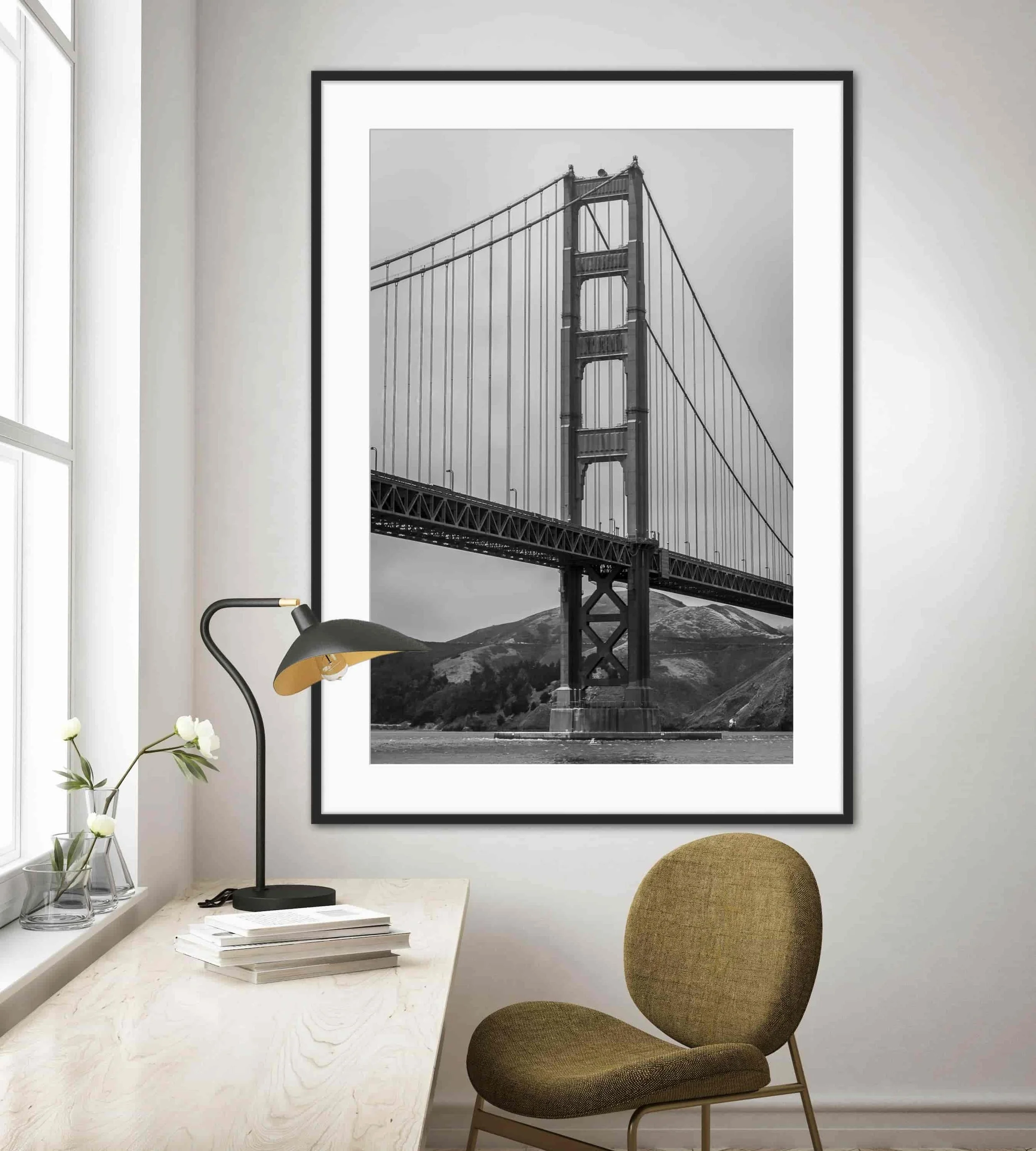
How this connects to styling your space
Choosing between fine art photography prints and mass-produced wall art is just one part of the process.
To bring everything together, it helps to also consider:
Size and scale within your room
Placement and spacing on the wall
How the artwork interacts with light and furniture
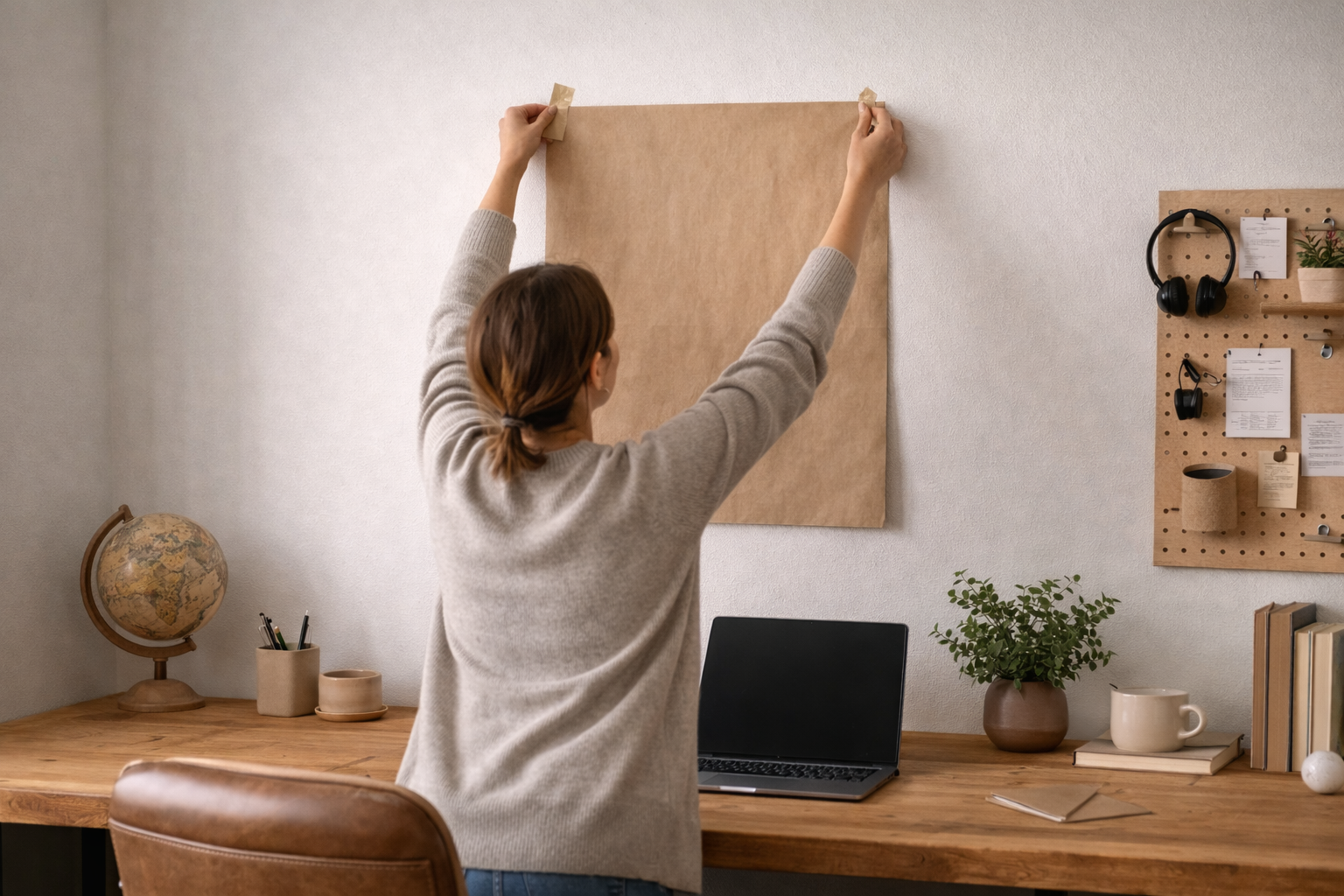
You may also find these guides helpful:
These work together to help you create a space that feels balanced and personal.
FAQ
Are fine art photography prints worth the investment?
If you’re choosing art to live with long-term, the materials, longevity, and connection to the work often make them worthwhile.
Do fine art prints fade over time?
Archival prints are designed to resist fading for decades when displayed and cared for correctly.
Why do fine art photography prints cost more than posters?
They reflect the artist’s work, professional printing processes, and higher-quality materials.
Final Thoughts
Art doesn’t need to compete for attention to matter.
Often, the pieces that stay with you are the ones that felt right from the beginning, the ones that quietly hold a sense of place, light, or memory.
If you’re exploring fine art photography prints vs mass-produced wall art, it’s not about choosing the “better” option. It’s about choosing what you want to live with, every day.
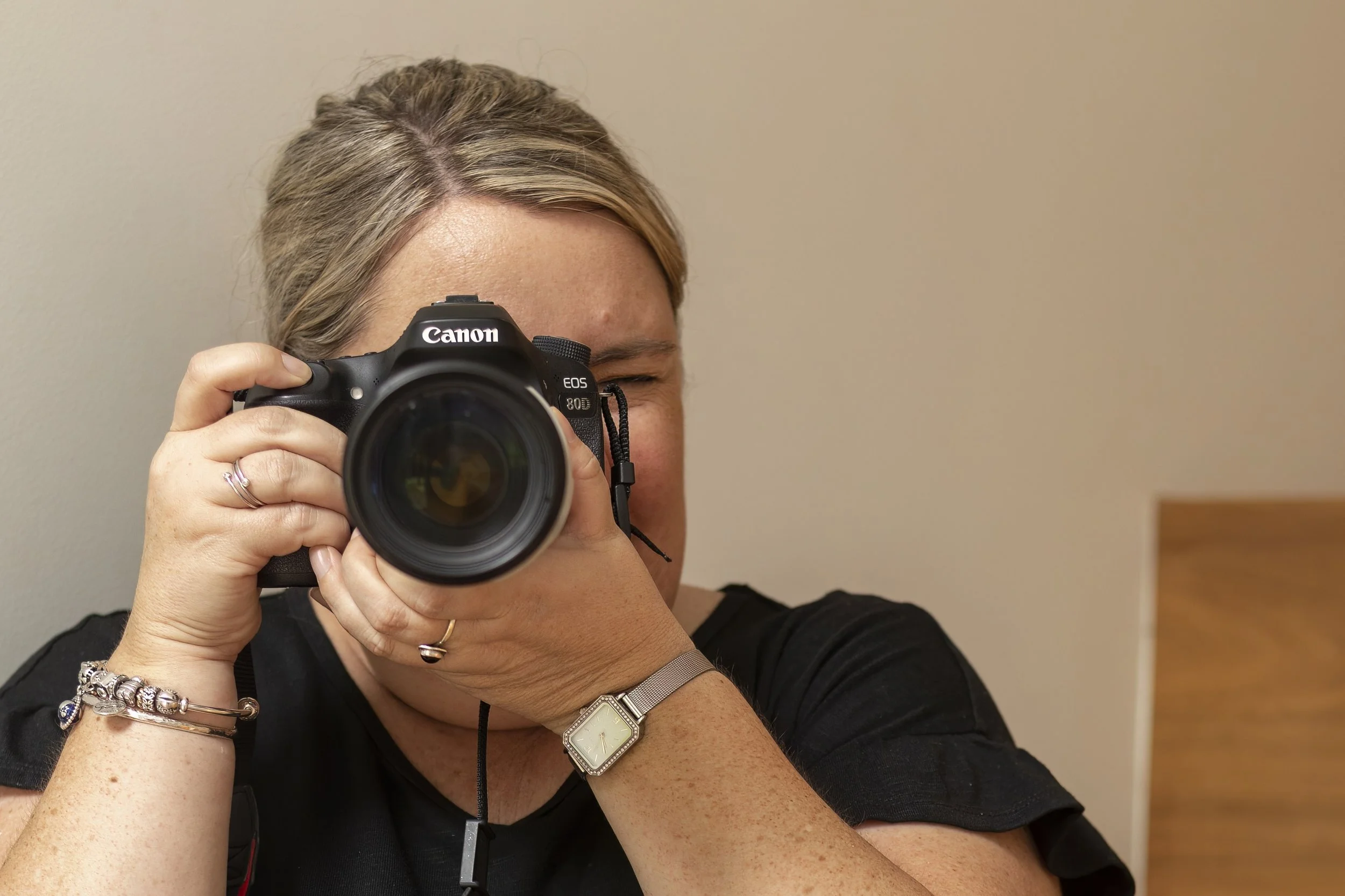
Leah Hermann
Leah Hermann is a landscape and travel photographer based on the Sunshine Coast, Australia. Through her brand Lens Art Images, she creates fine art photography prints inspired by coastlines, mountains, and destinations around the world, designed to bring a sense of place and calm into everyday spaces.