
What to Look for When Buying Fine Art Photography Prints Online
Buying fine art photography online opens up a much wider choice than you’ll usually find in a local store. You can discover independent photographers, explore photographs from places around the world and find artwork that feels far more personal than something chosen simply to fill an empty wall.
The difficulty is that you can’t inspect the print before you buy it.
You can’t feel the paper, examine the printing up close or see exactly how the finished photograph will look in your home. Instead, you need to decide whether a print is worth buying based on the information available online.
So, what should you actually look for?
A quality fine art photography print should be supported by clear information about who created the photograph, what it’s printed on, how it’s produced, what you’ll receive and who you’re buying from. Here’s what I’d check before purchasing.
1. Is it actually the photographer’s original work?
This might seem obvious, but it’s a useful place to start. If you’re buying fine art photography because you value the work of an individual photographer, you should be able to identify who created the image.
Look beyond the individual product page. An independent photographer’s website will usually give you a broader sense of their work through their portfolio, collections, About page or stories about their photography.
You might find information about where photographs were taken, what draws the photographer to particular subjects or how their wider collection has developed.
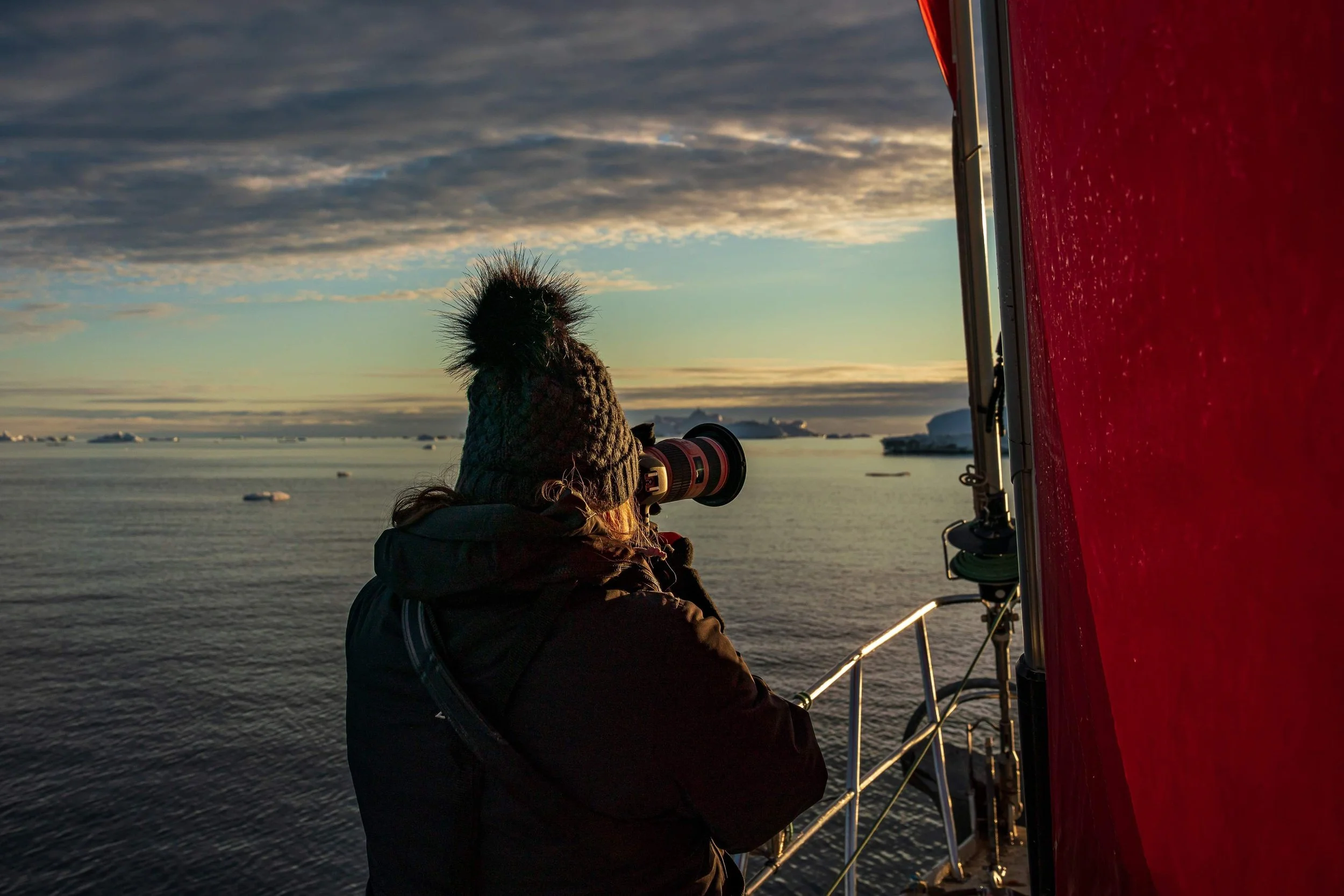
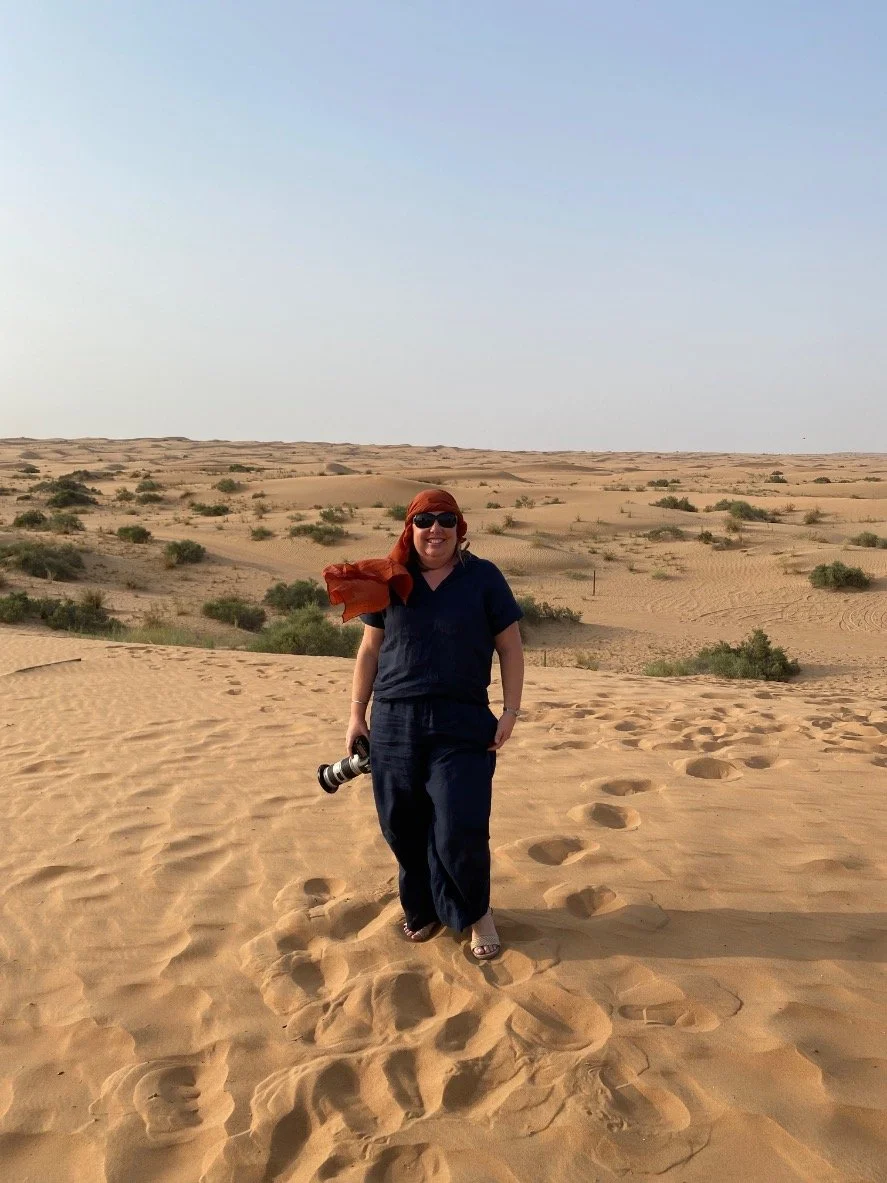
For me, that connection is an important part of photography. My own collection has grown from more than two decades of photographing landscapes, cities and destinations I’ve experienced myself. The photograph you see on the website began with me standing somewhere with my camera and noticing something I wanted to capture.
When you’re buying original photography online, knowing who is behind the image adds context that you simply don’t get from anonymous, mass-produced wall art.

2. Does the website tell you what the photograph is printed on?
One of the clearest indicators of what you’re buying is the information provided about the print itself. Look for the specific paper or print medium, rather than descriptions that rely entirely on words such as “premium”, “luxury” or “museum quality”.
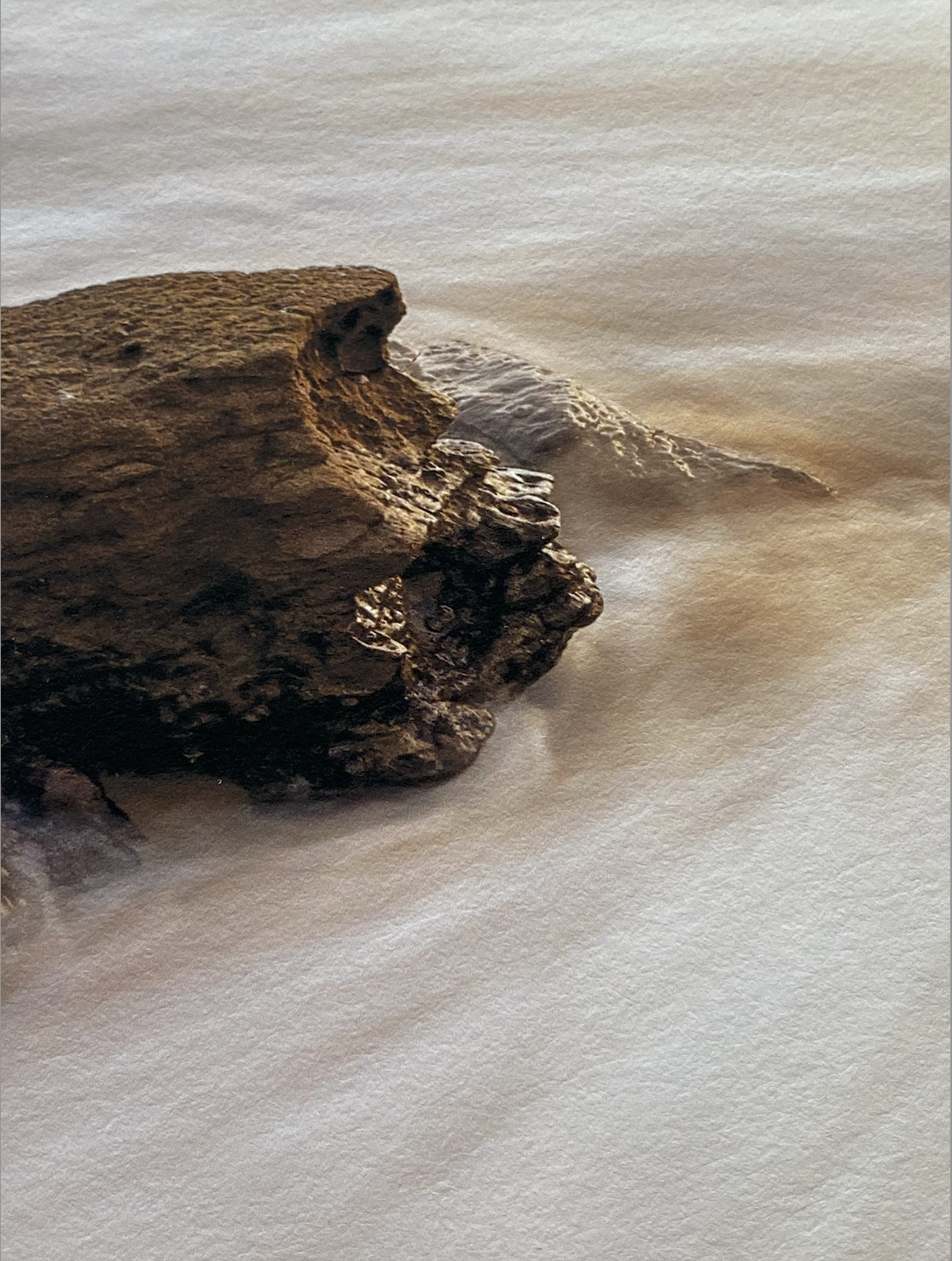
Photography can be printed on many different surfaces, and they don’t all produce the same result. Gloss, lustre, matte and textured fine art papers have different characteristics and can affect the appearance of colour, contrast, detail and texture.
My prints are produced on Ilford Galerie Textured Cotton Rag 310gsm, a heavyweight 100% cotton rag fine art paper. I chose a textured matte paper because I particularly like the way it complements landscape and travel photography.
You don’t need to choose the same type of paper I do. There isn’t one paper that’s automatically right for every photograph or every buyer. What matters when you’re shopping online is transparency. The seller should give you enough information to understand what you’re paying for.
3. What does “archival quality” actually mean?
You’ll often see terms such as “archival”, “fine art printing” and “museum quality” when shopping for photography prints online. It’s worth looking beyond those words.
The longevity of a photographic print isn’t determined by a single factor. The paper, inks, printing system, framing, exposure to light and environmental conditions can all influence how a print changes over time.
If longevity matters to you, look for useful information about the actual materials and printing process rather than relying on an impressive sounding label.
Be particularly cautious about very specific longevity claims when there’s no explanation of how that figure was established. A claim that a print will last a particular number of years requires more context than the word “archival” alone can provide.
A trustworthy description doesn’t need to overwhelm you with technical terminology. It should simply tell you enough to understand how the print has been made.
4. Can you find clear information about print quality?
Judging print quality online is difficult because you’re looking at a digital representation of a physical product.
Your phone, tablet or computer screen emits light. A print reflects it. Screen brightness, display settings and the lighting in your home can all affect what you see, so an online photograph can never perfectly reproduce the experience of viewing a physical print. That makes the information surrounding the image particularly important.
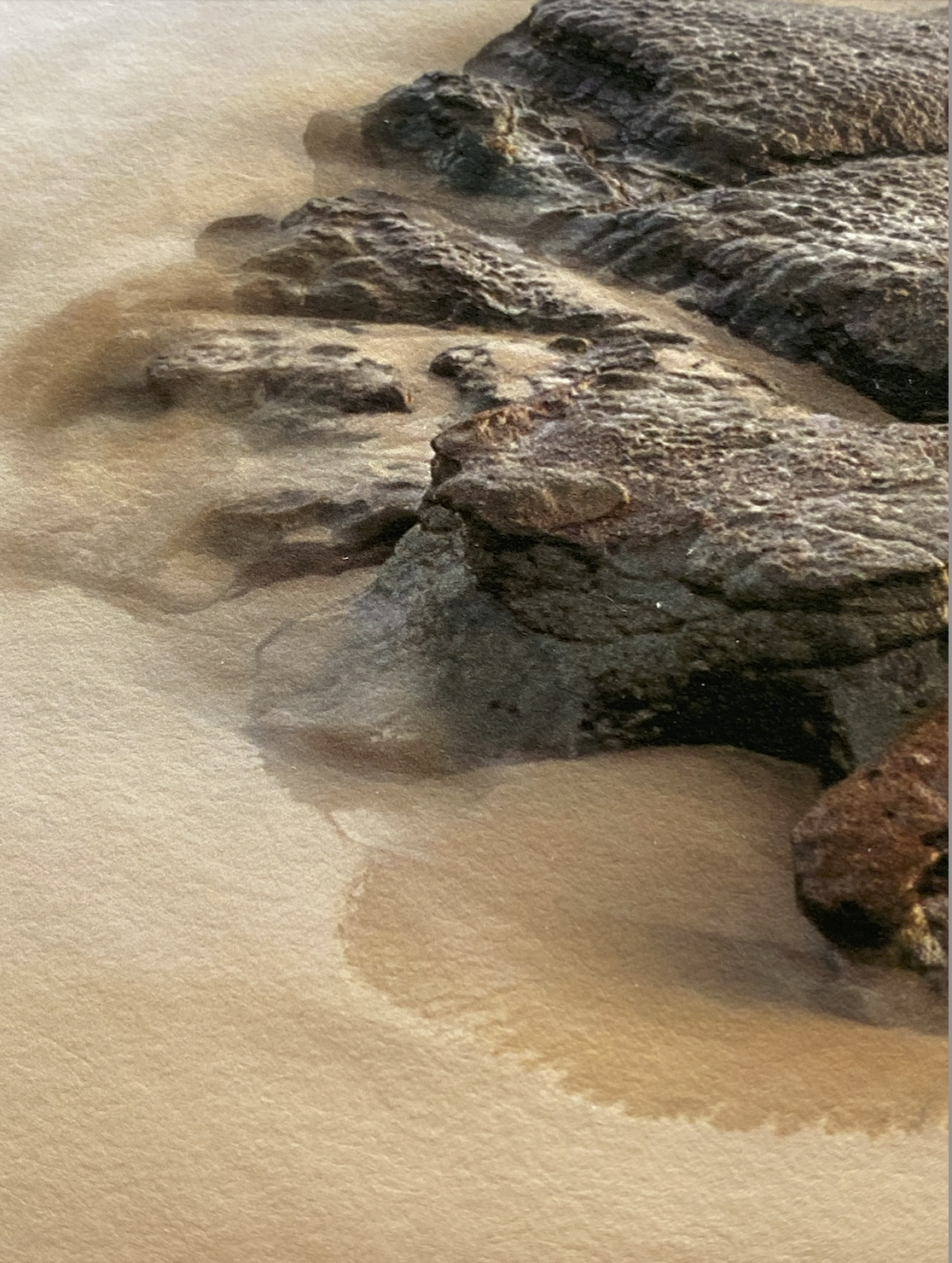
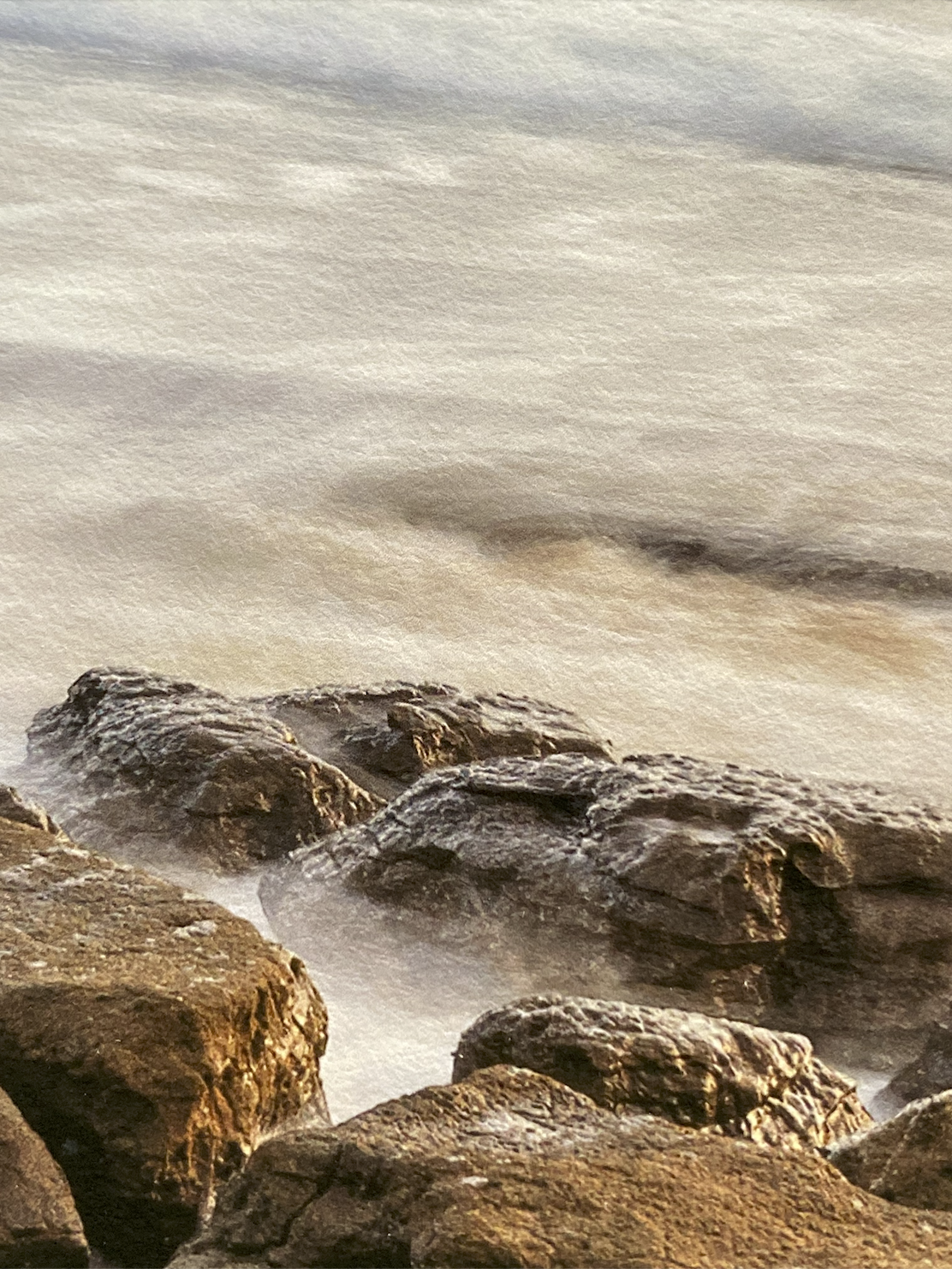
Look for details about the printing process and materials, close-up product photographs where available and consistent presentation across the photographer’s website.
I’d be more confident buying from someone who explains their printing choices clearly than from a website that repeatedly tells me a product is “high quality” without explaining why.
5. Are the print dimensions completely clear?
Before ordering, you should know exactly what size you’re buying. Check whether the listed dimensions refer to the paper size or image size, and whether the photograph includes a white border. If a border is included, find out whether it’s included within the stated dimensions or added to them.
My own fine art photography prints are supplied without a white border, so the print size you select refers to the full paper size. You should also know whether you’re buying a framed or unframed print.
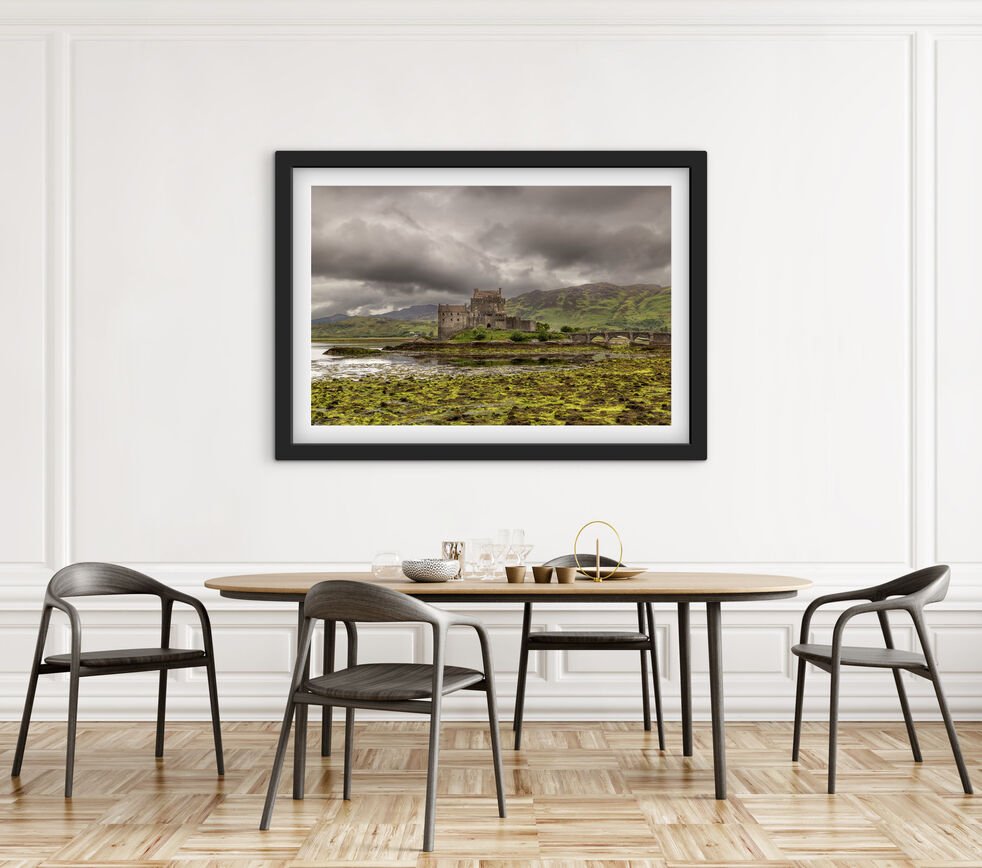
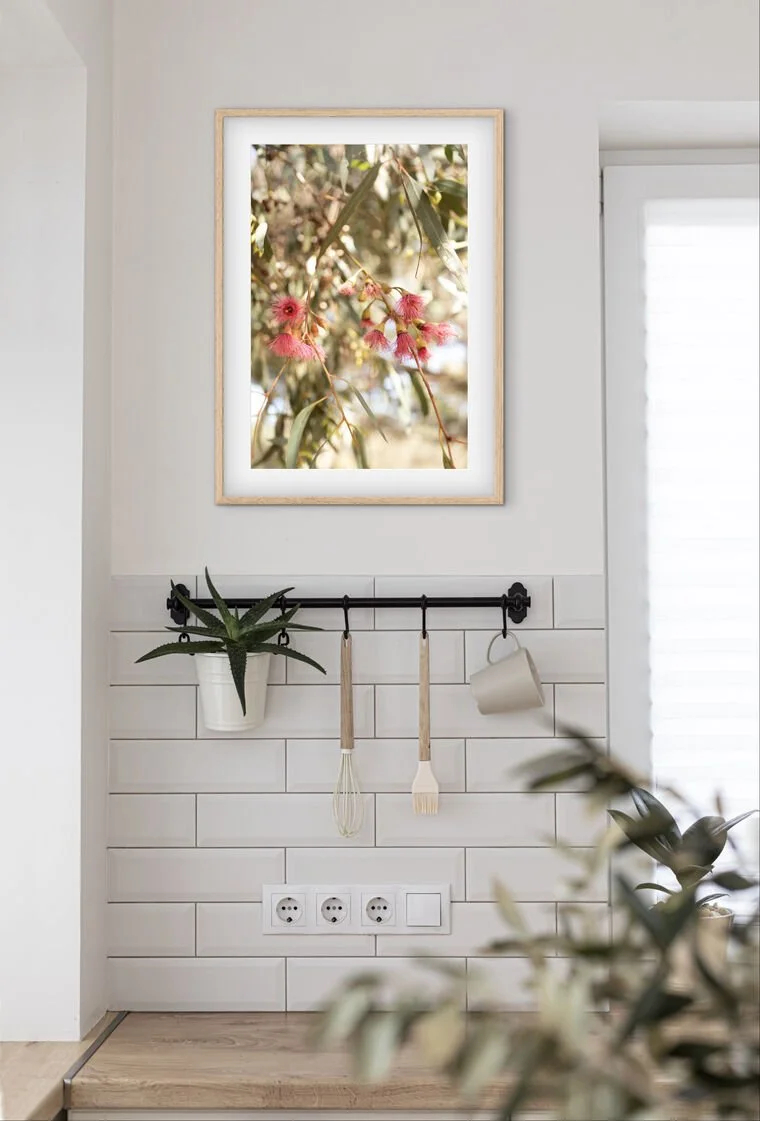
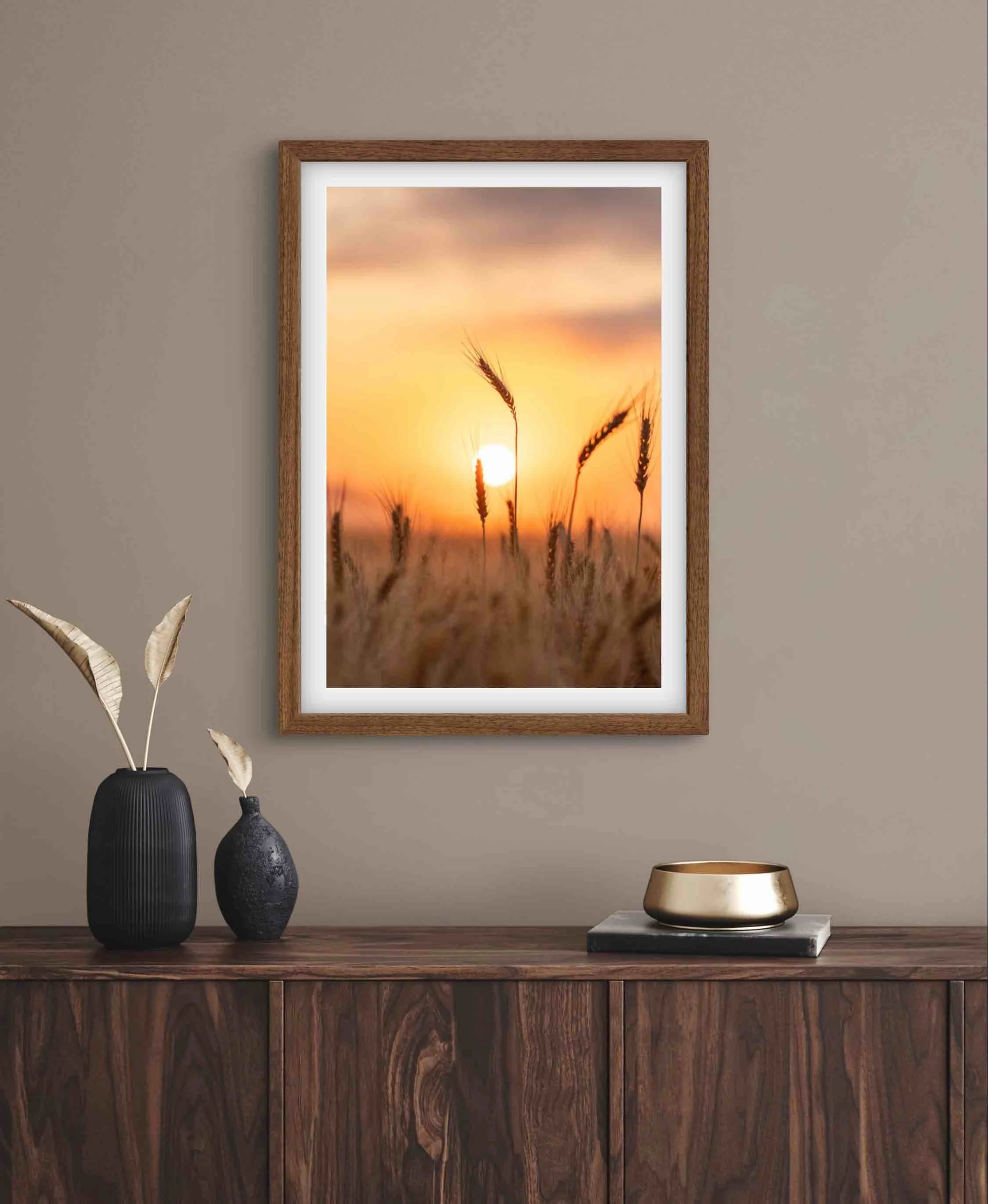
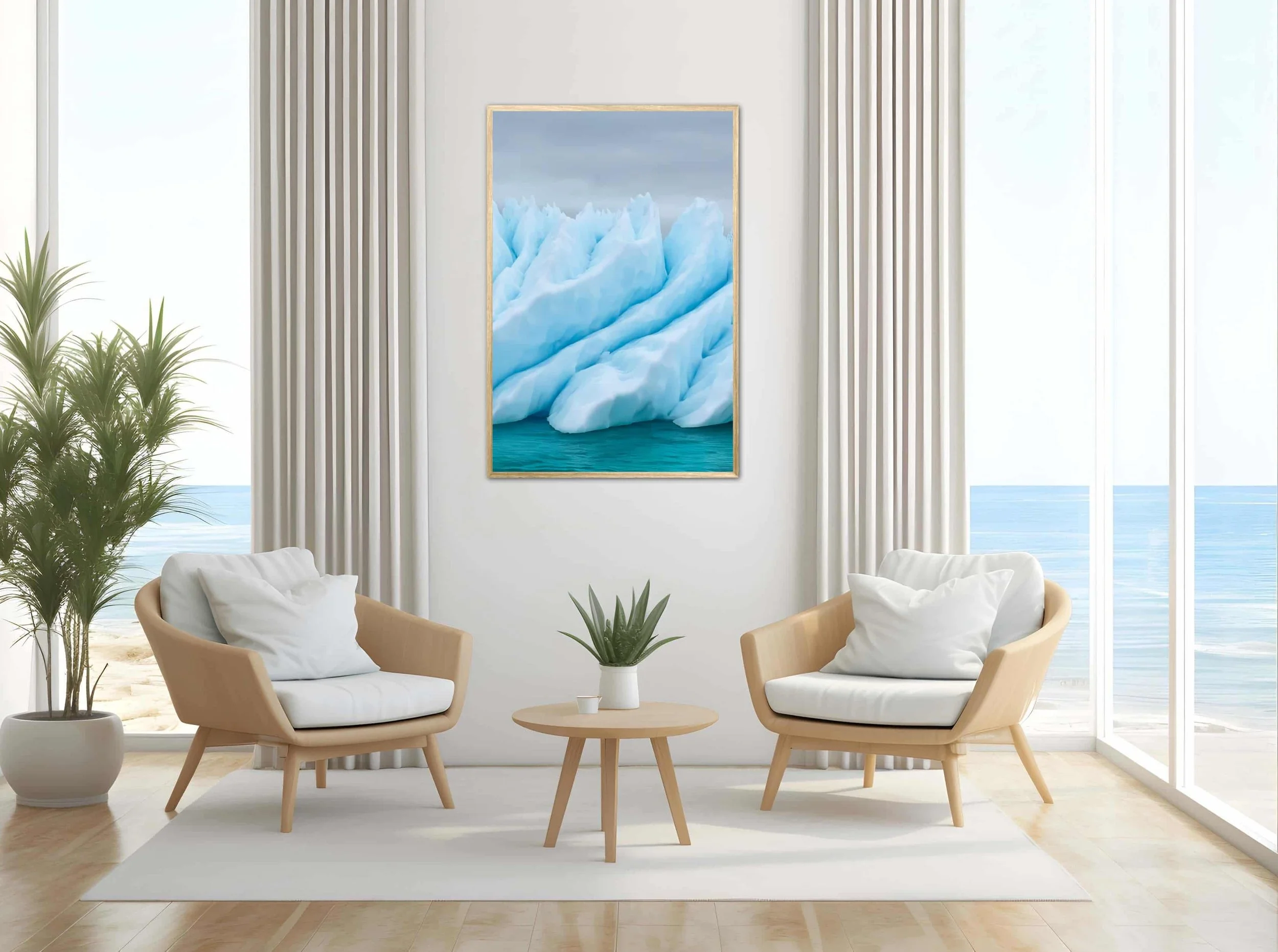
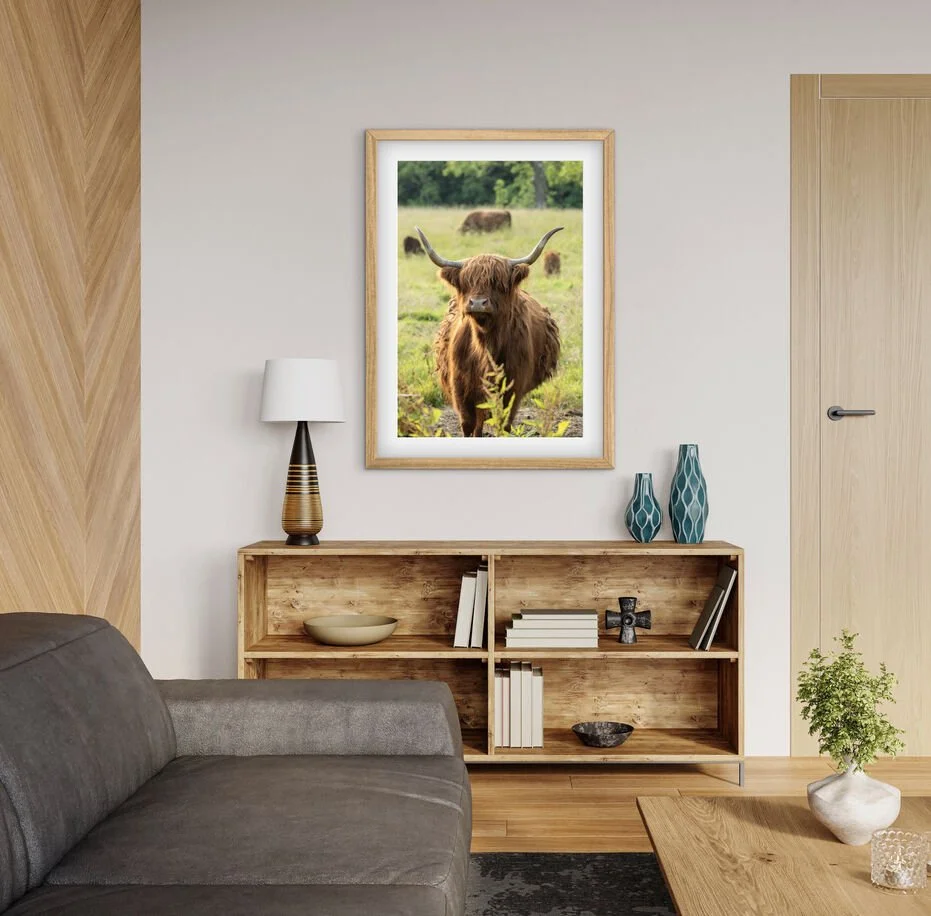
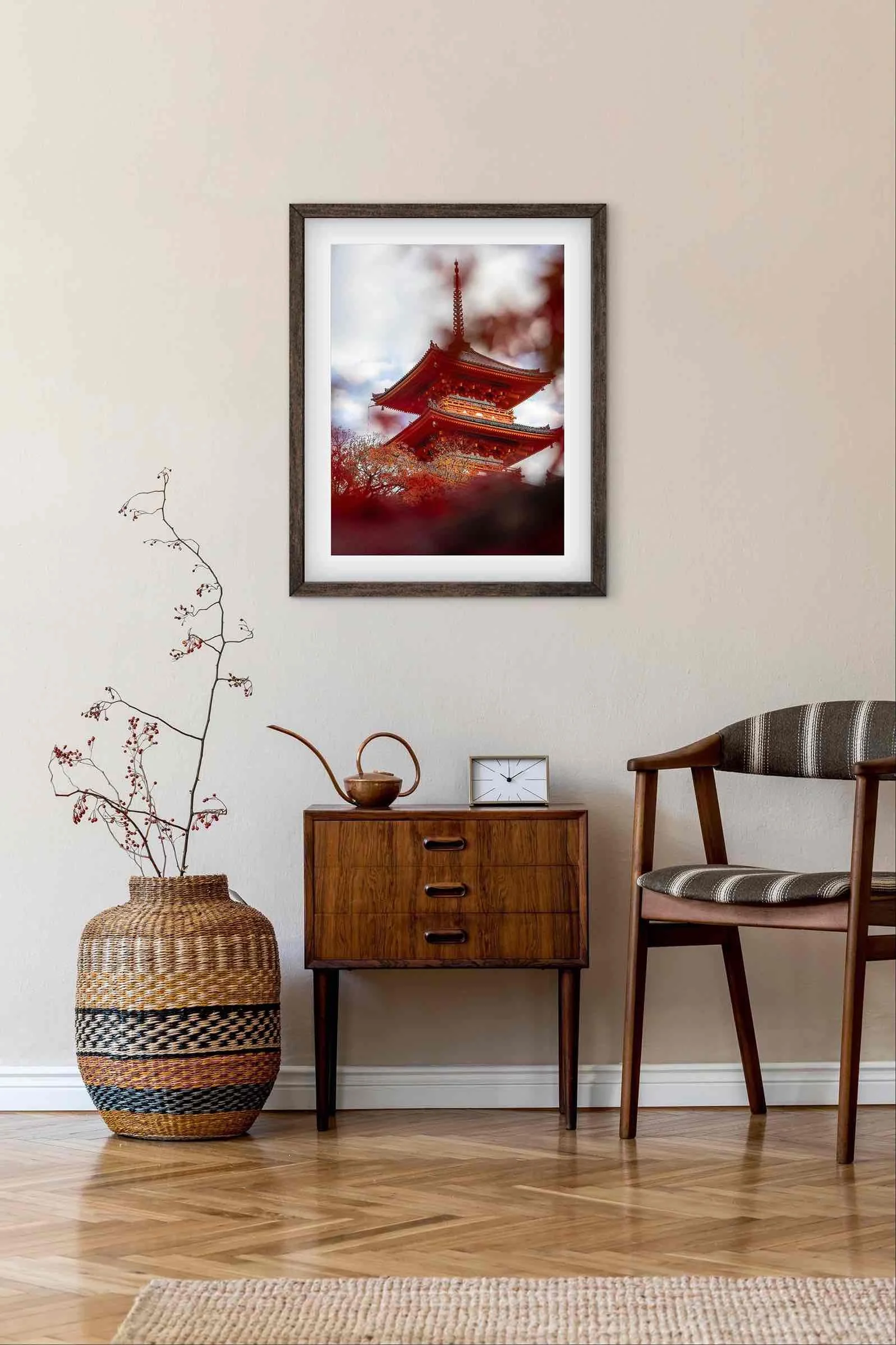
Styled room images are useful for imagining how artwork could look in a home, but they shouldn’t be your only guide to scale. Check the actual measurements provided on the product page before ordering.
If you’re still deciding which dimensions will work best for your wall, I’ve covered this in more detail in How to Choose the Right Size Wall Art for Your Space.
6. Does the seller explain what you’ll actually receive?
A good product page shouldn’t leave you guessing. Before paying, you should be able to determine whether you’re purchasing:
The print only or a framed artwork
A particular paper or print medium
A bordered or borderless print
A standard or custom size
An open or limited edition, if relevant
If something isn’t included, that should also be clear.
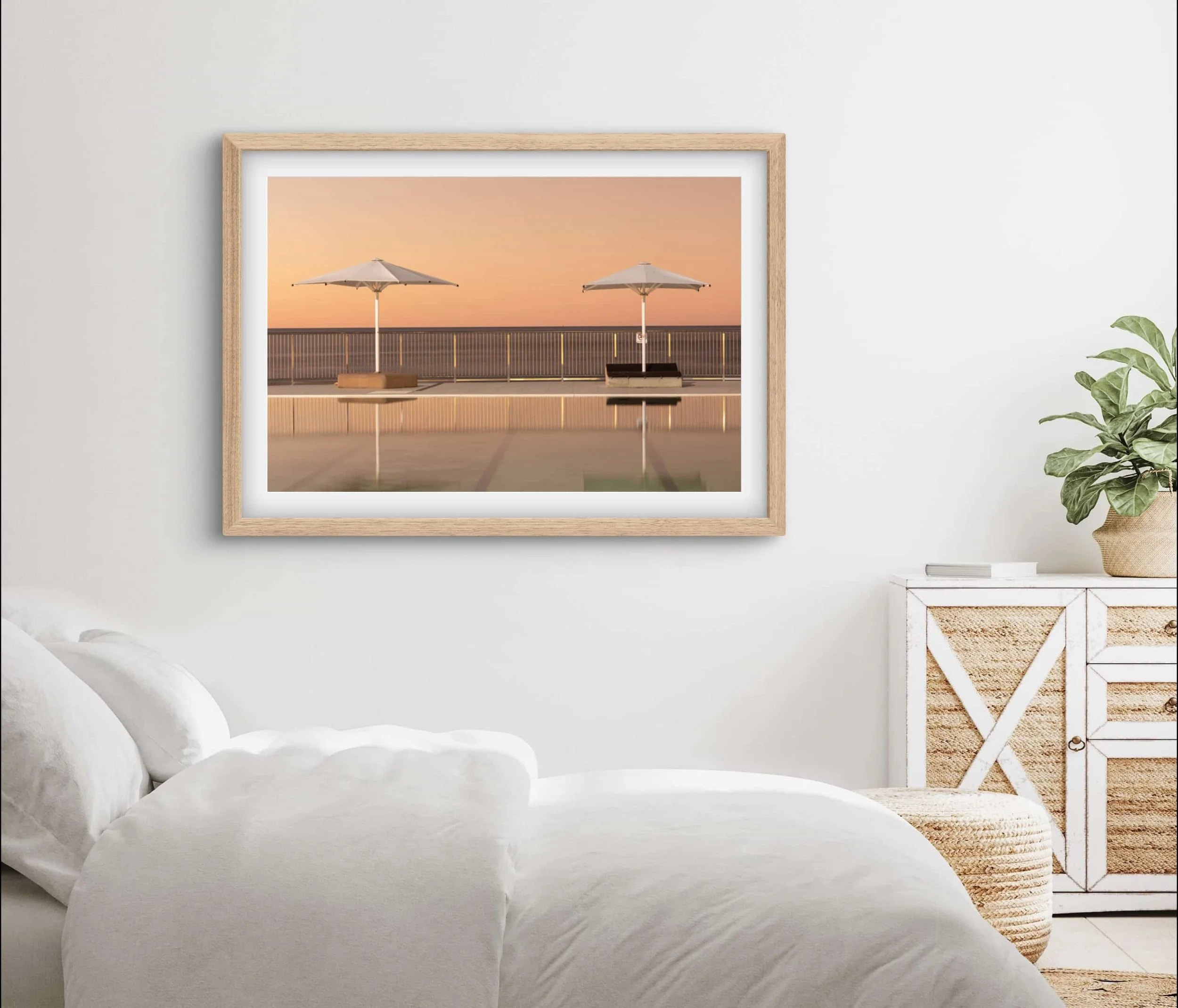
Lens Art Images photographs are sold as unframed, borderless fine art photography prints. Frames and mattes are not included. The framed images you see throughout my website are there to help you visualise how a photograph might look when displayed in a home, rather than representing exactly what will arrive with your order.
This also gives you the freedom to choose a frame and matte that suit both the photograph and your own interior once your print arrives. Clear information like this is especially important online because you don’t have a salesperson standing beside you to answer questions before you buy.
7. Is there a real business behind the website?
Print quality isn’t the only consideration when buying art online. You also need to feel comfortable purchasing from the person or business selling it.
Look for an About page, contact information, shipping information and policies explaining what happens if there’s a problem with your order.
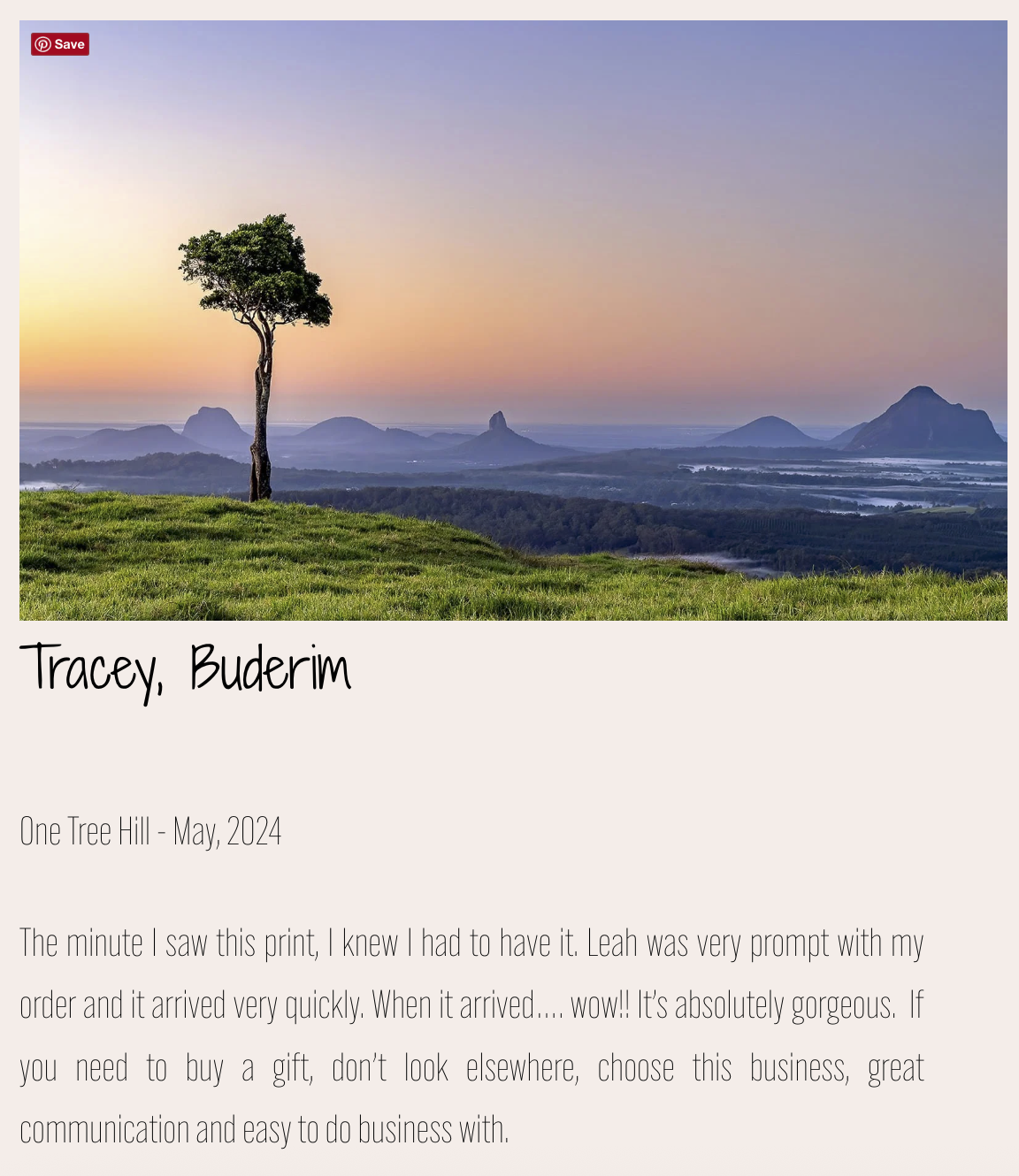
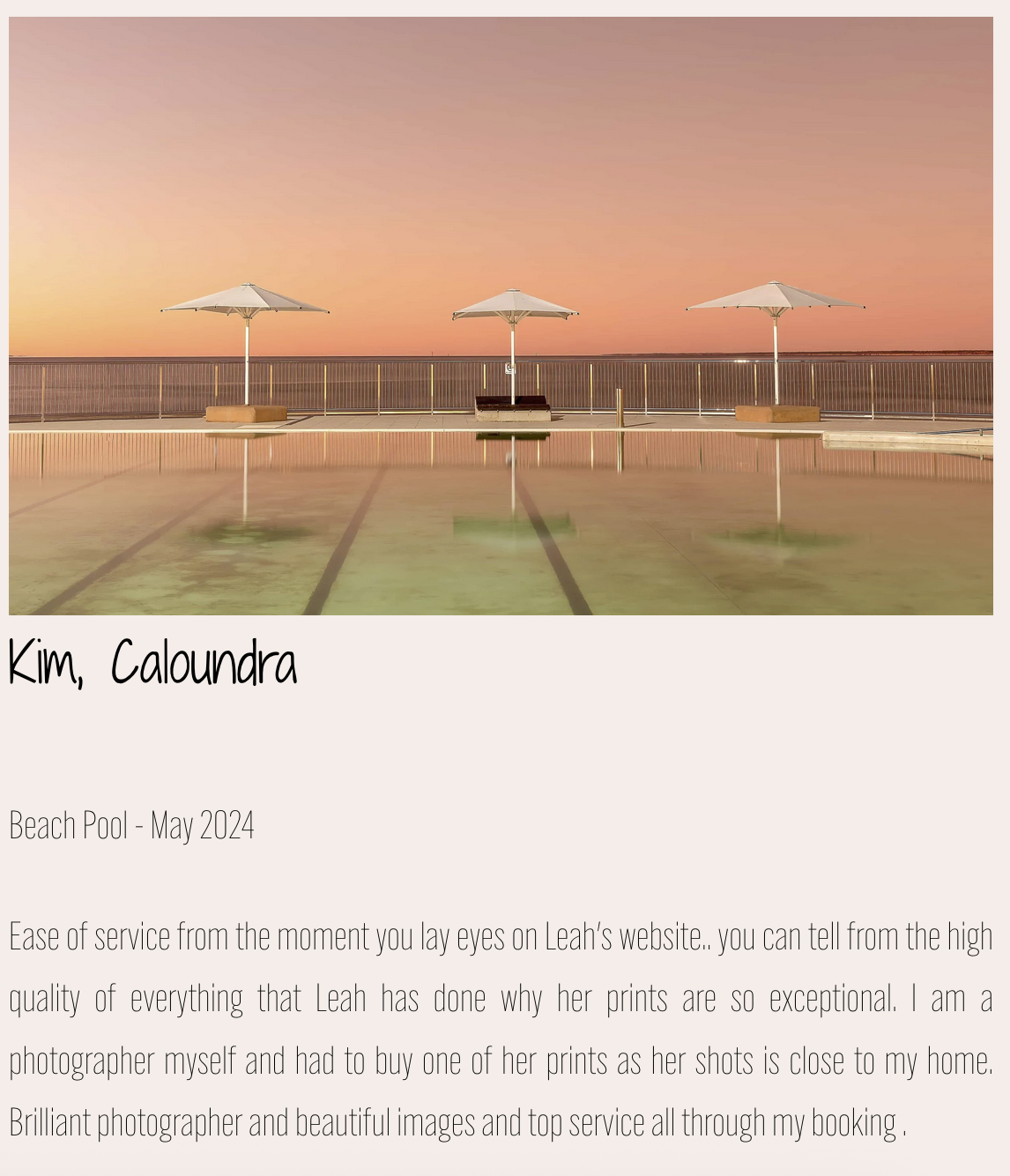
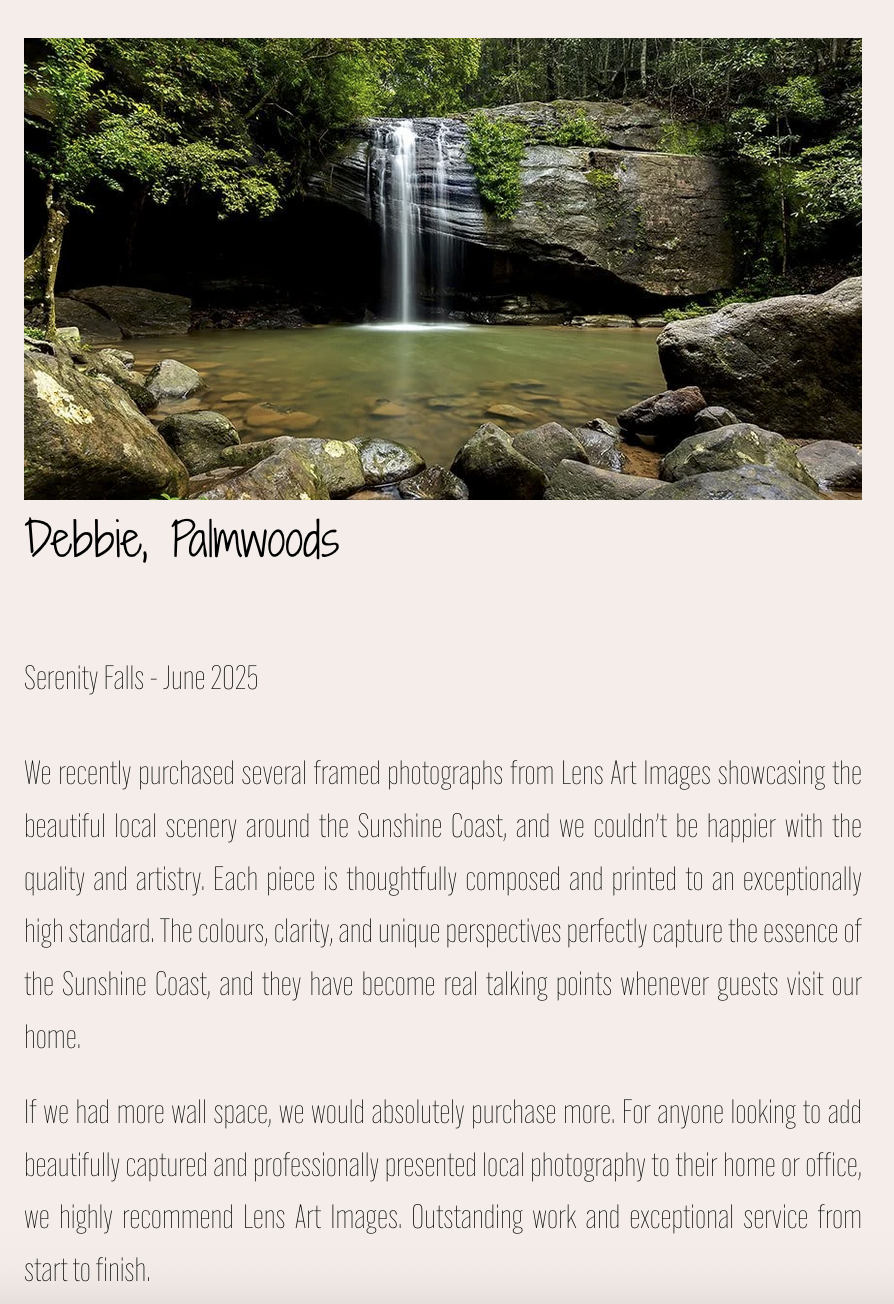
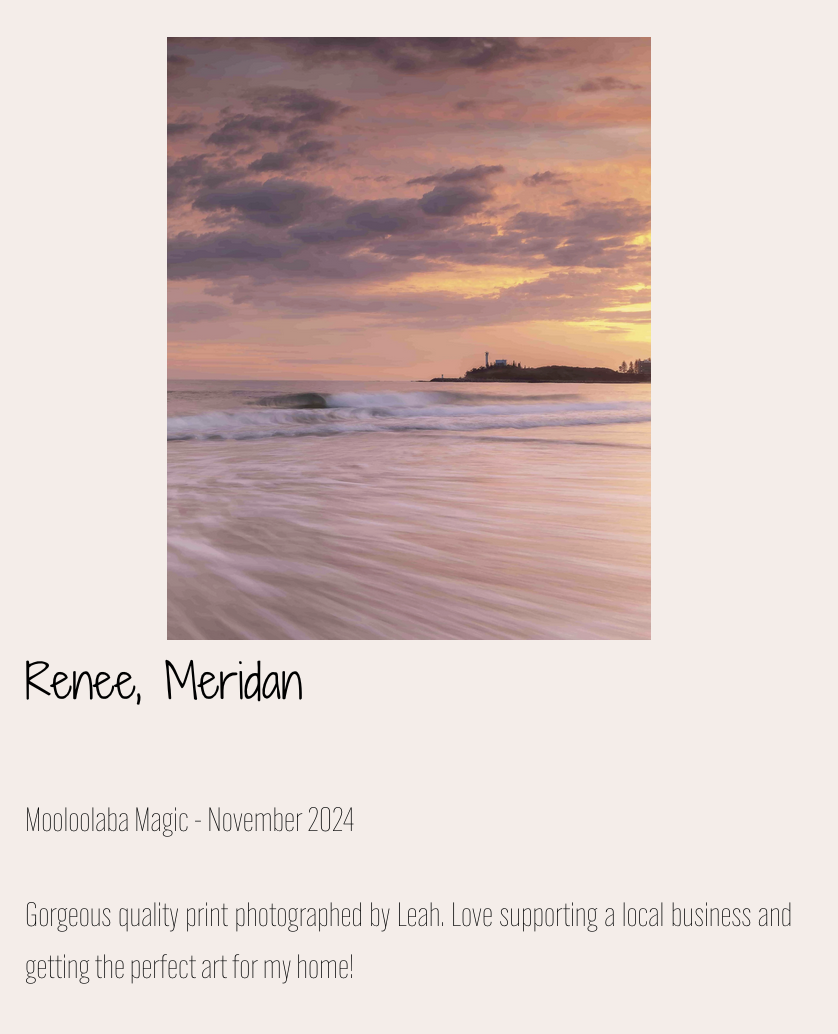
Customer reviews or testimonials can provide additional reassurance, particularly when customers describe their experience with the physical product or purchasing process.
For an independent photographer, you may also find a consistent presence beyond the shop itself, such as a blog, portfolio or social media account. None of these things individually proves quality, but together they can help you establish that you’re dealing with a genuine photographer and business.
8. What happens if the print is damaged during delivery?
This is something that’s easy to overlook until you need the answer.
Fine art prints need to travel from the printer or photographer to your home, sometimes across considerable distances. Before ordering, check the seller’s policy regarding prints that arrive damaged.
You should also look at where the business ships and whether there are any restrictions that affect your location.
For international orders, there may also be taxes, duties or customs requirements imposed by the destination country. These can vary, so it’s worth checking the seller’s shipping information and any requirements that apply where you live.
9. Does the price make sense for what’s being offered?
Price alone doesn’t tell you whether a photography print is good quality. An expensive print isn’t automatically better, just as a less expensive print isn’t necessarily poor quality.
Instead, consider what the seller tells you about the product. What material is being used? What size is the print? How is it produced? Is it original photography? Is the work being sold directly by the photographer or through another business?
Those details give the price context. This is also where buying from an independent photographer differs from comparing two apparently similar pieces of mass-produced décor. You’re not simply comparing dimensions and colours. You’re considering the photograph itself, the materials used to reproduce it and the person whose work you’re purchasing.
If you’d like to explore that distinction further, you can read Fine Art Photography Prints vs Mass-Produced Wall Art.
10. Can you find information about the photographer’s materials elsewhere on the website?
A product page doesn’t necessarily need to contain every technical detail. Some photographers have a separate page explaining their paper, printing process, sizing or other production information. That’s often useful because it allows you to investigate further without making every product description unnecessarily long.
I have a dedicated Print & Materials page for this reason. It provides more information about the paper used for Lens Art Images prints and what you can expect from the finished product.
When you’re comparing fine art photography online, I’d consider this kind of transparency a positive sign. The photographer isn’t asking you simply to trust that the print is “premium”. They’re giving you information that allows you to make your own judgement.
A quick checklist for buying fine art photography online
Before buying a photography print online, check that you can answer these questions:
Who took the photograph?
Is it the photographer’s original work?
What paper or material will it be printed on?
Is there information about the printing process?
What are the exact dimensions?
Does the print include a border?
Is it framed or unframed?
Are frames or mattes included?
Is it an open or limited edition, where relevant?
Where does the seller ship?
What happens if it arrives damaged?
Can you find genuine information about the photographer or business?
You don’t need an enormous amount of technical information to buy art confidently. You just need enough transparency to understand what you’re purchasing.
What makes a quality fine art photography print?
A quality fine art photography print combines the photographer’s original image with carefully chosen printing materials and a production process suited to reproducing that photograph.
When you’re buying online, however, quality also involves something less tangible: confidence in what you’re being told.
You should be able to understand who created the photograph, what the physical print is made from and what will arrive after you place your order.
Terms such as “fine art” and “premium” can sound reassuring, but specific information is far more useful.
Buying photography online doesn’t have to be a leap of faith
One of the things I love about being able to buy art online is the enormous range of photography it allows us to discover. You’re no longer limited to the prints available in local homewares stores or galleries. You can find a photographer whose work connects with you, even if they’re on the other side of the world.
That choice does require a little more investigation. Take a few minutes to look beyond the photograph itself. Read about the materials. Check the dimensions. Find out who created the work. Understand what you’re going to receive.
Once those practical questions have been answered, you can get back to the much more enjoyable question: is this a photograph I’d love to live with?
You can browse my collection of fine art photography prints or visit Print & Materials if you’d like to learn more about how Lens Art Images prints are produced.
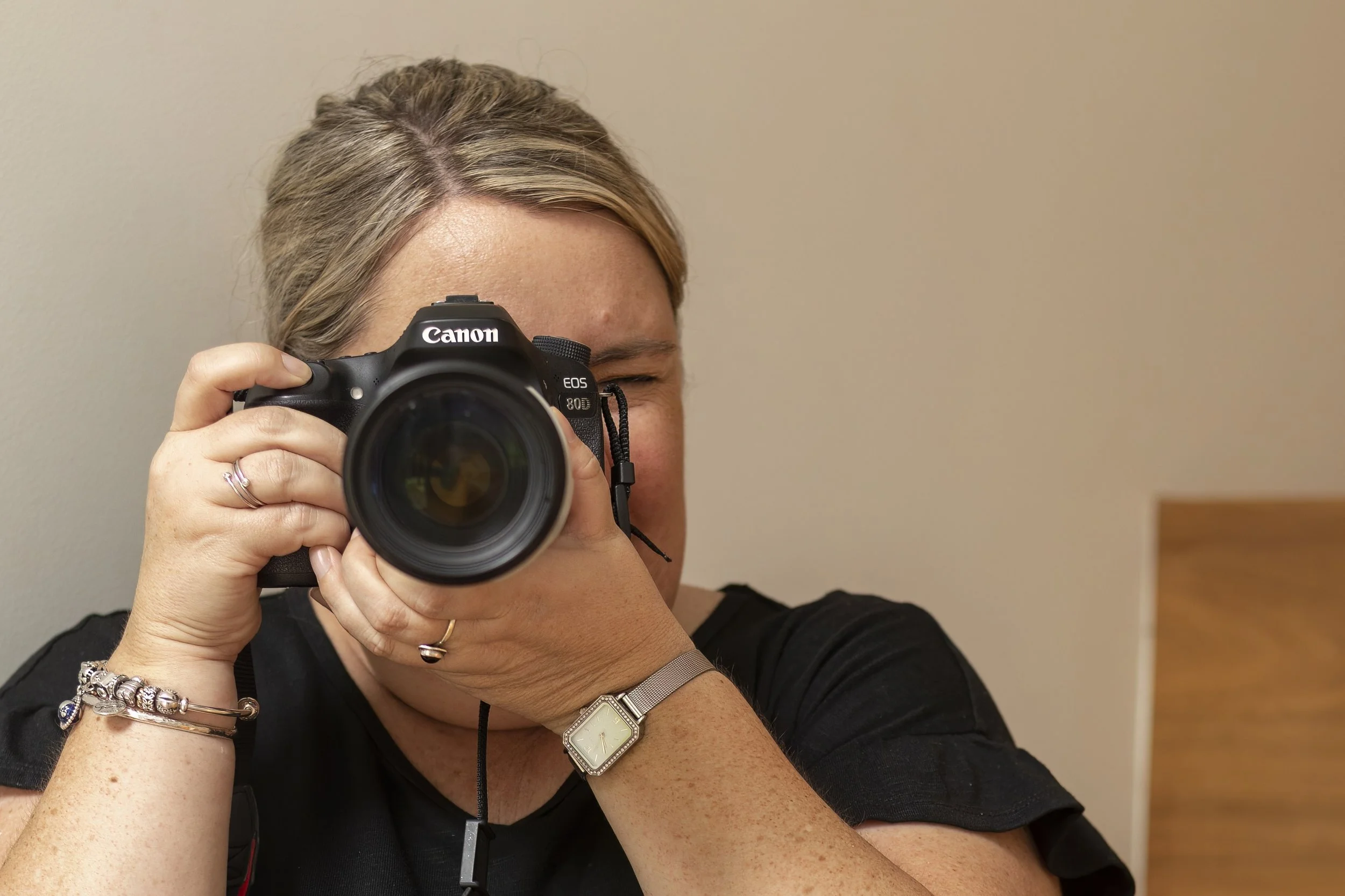
Leah Hermann
Leah Hermann is a landscape and travel photographer based on the Sunshine Coast, Australia. Through her brand Lens Art Images, she creates fine art photography prints inspired by coastlines, mountains, and destinations around the world, designed to bring a sense of place and calm into everyday spaces.