
How Art Placement Affects the Way a Room Feels
When choosing artwork for your home, it's easy to focus on the image itself. Yet where you place that artwork can have just as much influence on how a room feels.
Thoughtful placement helps artwork become part of the space rather than something simply hanging on a wall. It creates balance, draws the eye naturally and supports the atmosphere you want to create, whether that's calm, warmth, energy or quiet reflection.
Once you know where the artwork will sit, you can browse the fine art photography prints that best suit the available wall space and the atmosphere of the room.
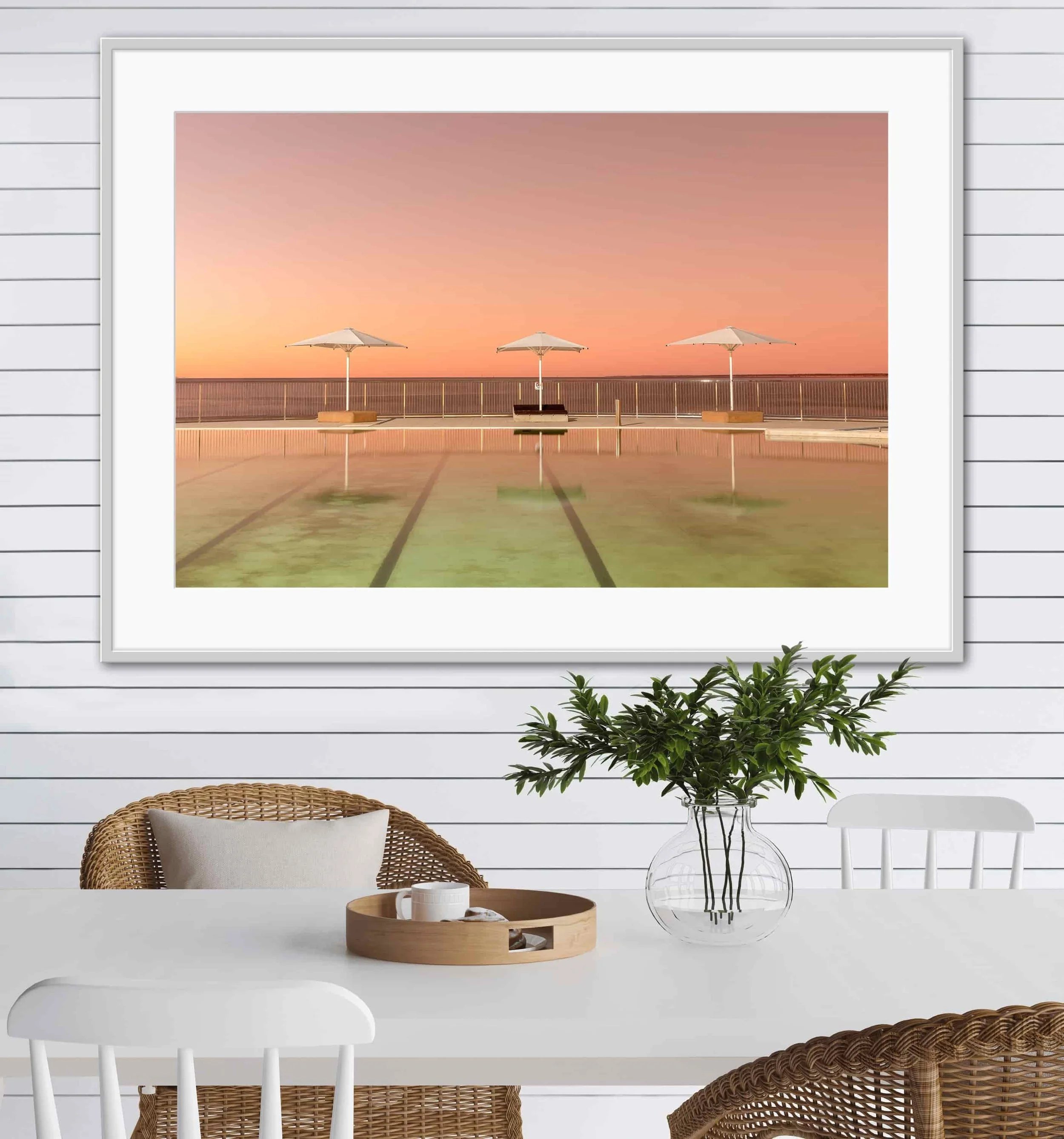
Why placement changes how artwork feels
Artwork naturally attracts attention. Our eyes are drawn to it almost as soon as we enter a room, which means its position influences how we experience the space.
A thoughtfully placed photograph can make a room feel settled and inviting. Poor placement, even with a beautiful artwork, can make a space feel disconnected or slightly uncomfortable without us understanding why.
Rather than thinking about placement as following rules, it helps to think about creating visual balance between the artwork, the furniture and the surrounding space.
Hanging artwork too high or too low
One of the most common decorating mistakes is hanging artwork too high.
When artwork sits well above eye level, it can feel detached from the room. Instead of becoming part of the space, it appears to float on the wall and loses some of its visual impact.
Likewise, artwork hung too low can feel cramped or awkward, particularly above furniture.
There isn't one perfect measurement for every home because ceiling heights, furniture and artwork sizes all vary. The goal is simply to position the artwork where it feels naturally connected to both the people using the room and the furniture beneath it.
Placement works best when the scale of the artwork also suits the wall and the furniture beneath it. My guide to choosing the right art size for your space can help you work through those proportions.
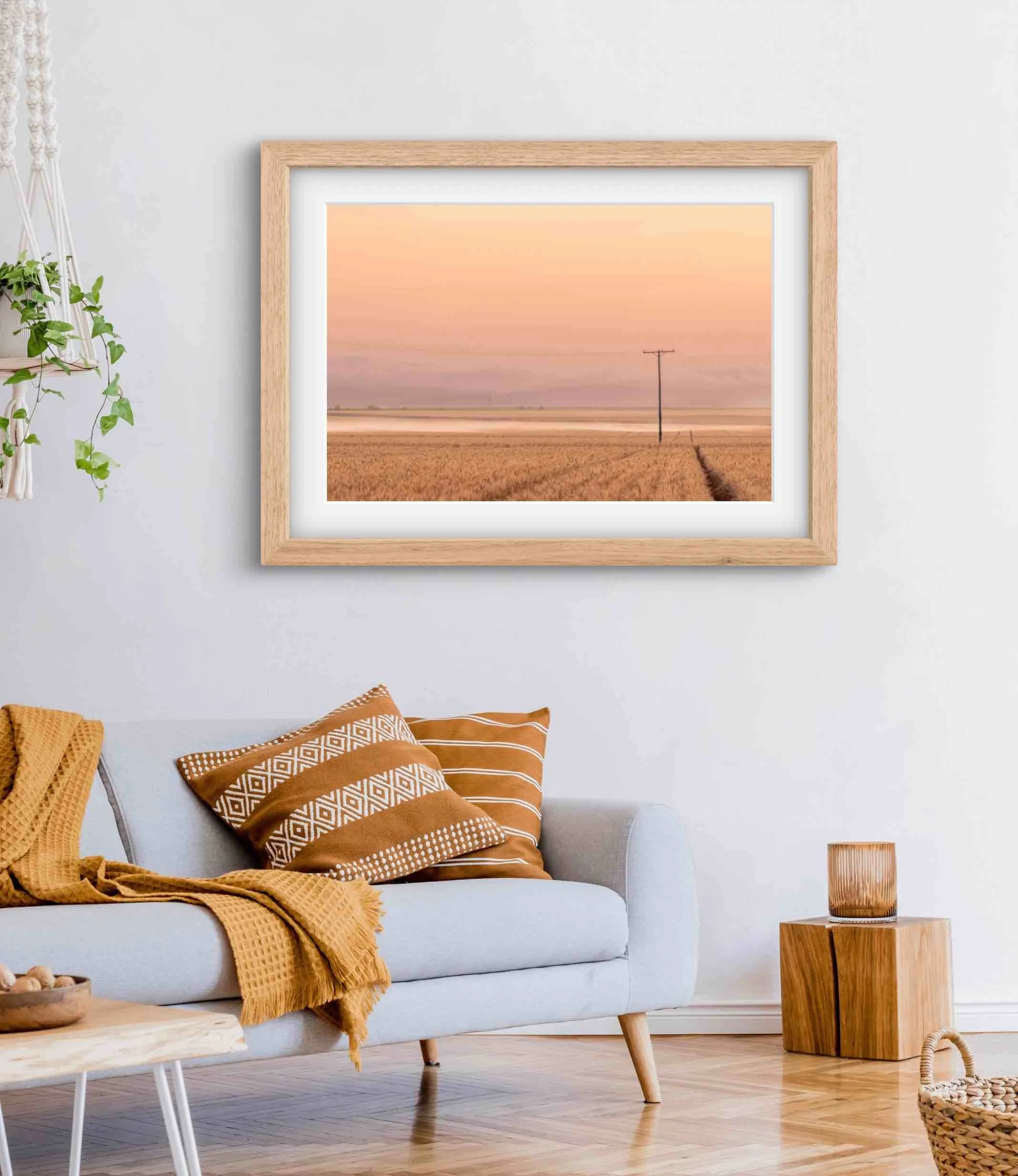
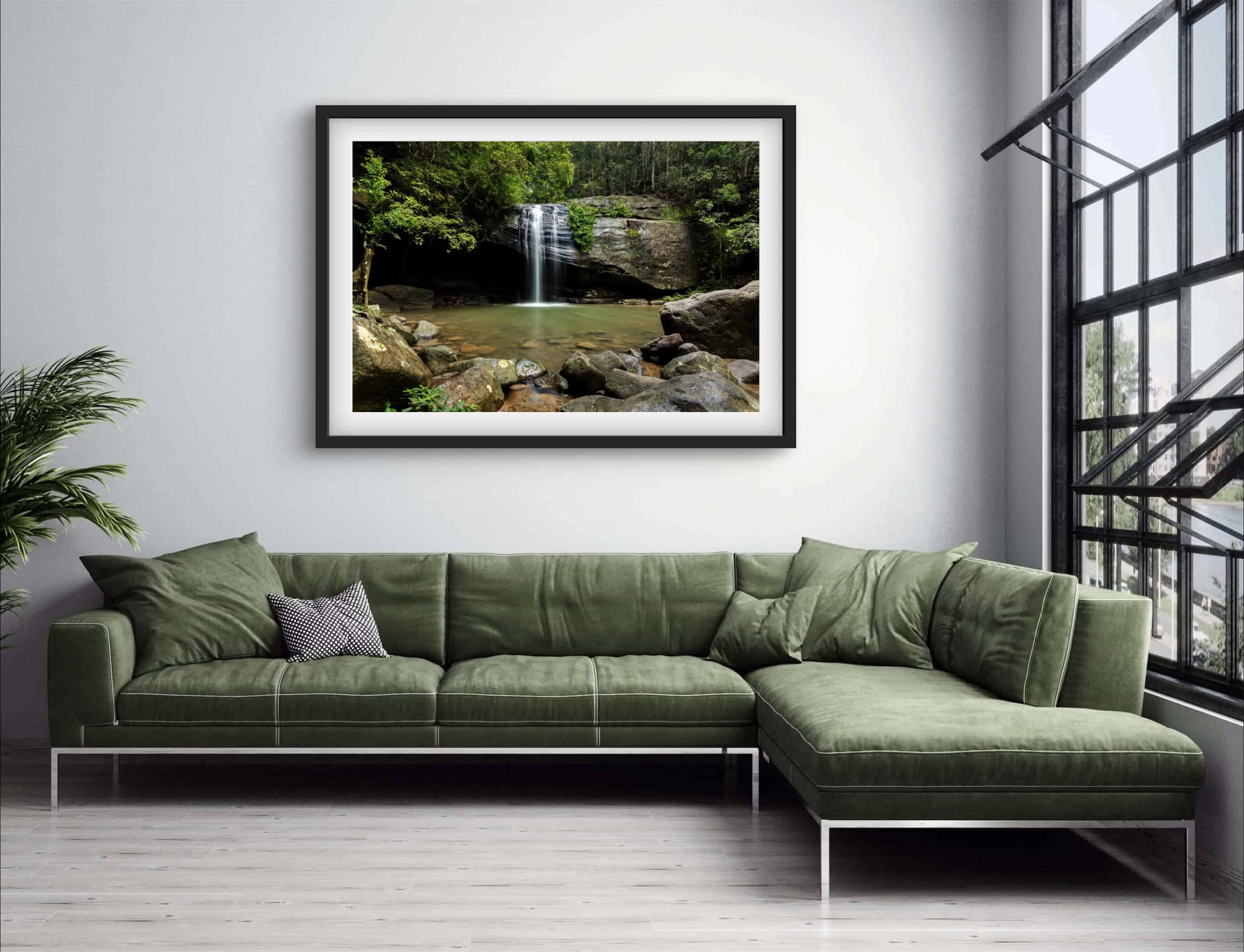
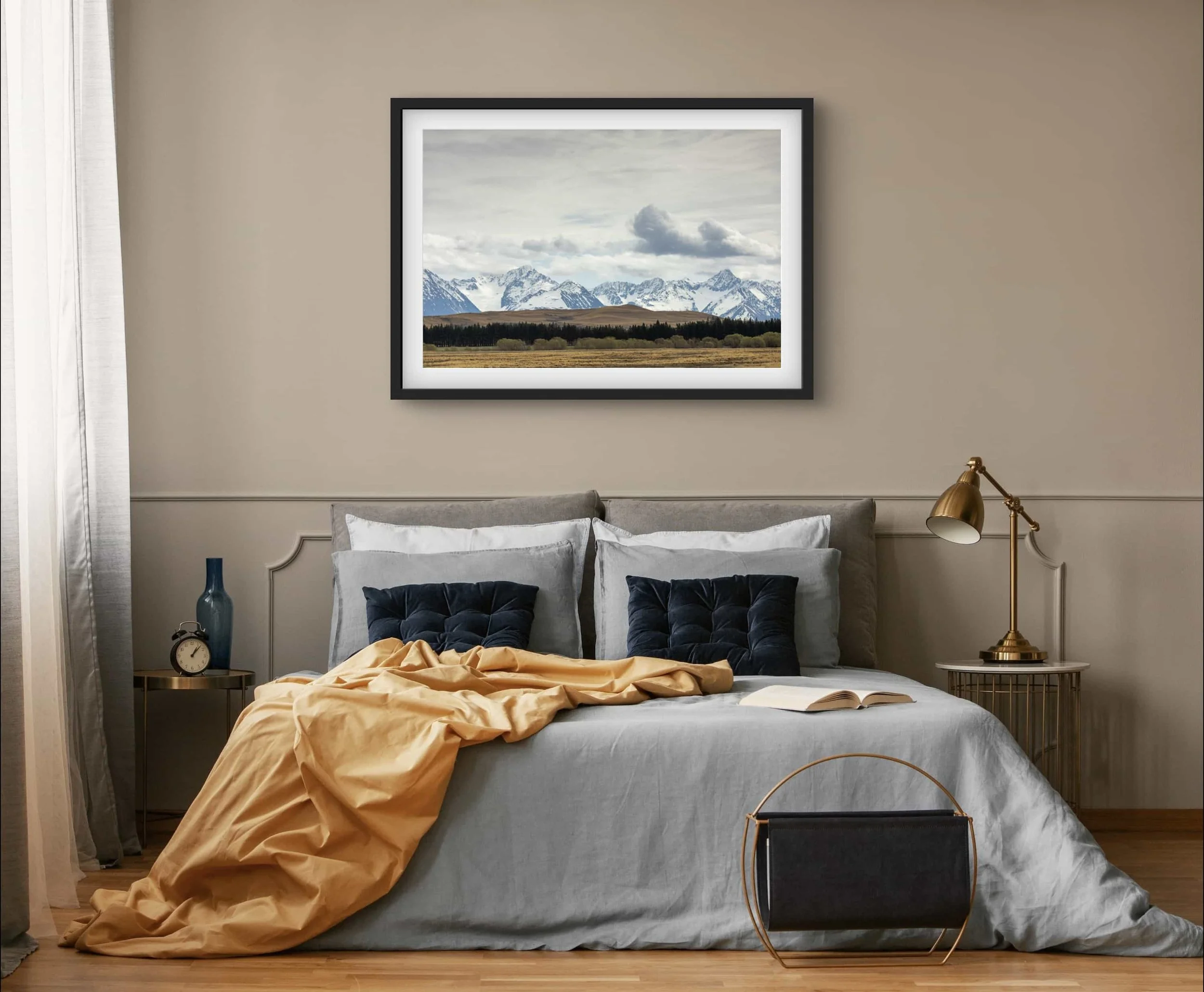
How artwork relates to furniture
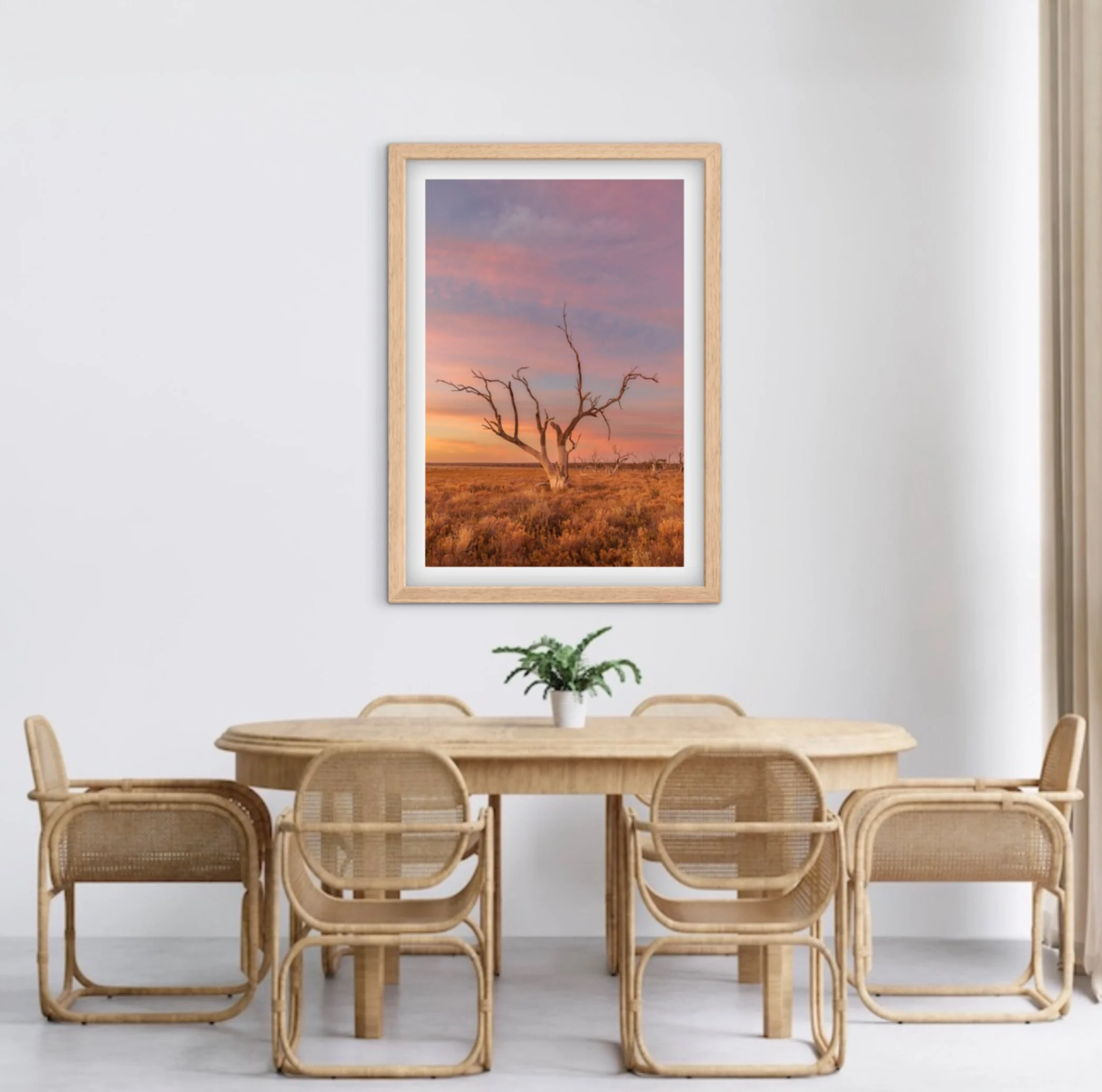
Furniture and artwork should feel like they belong together.
A photograph above a sofa, buffet or bed shouldn't appear isolated from the furniture below it. Instead, the two elements should work together as one visual arrangement.
Leaving an appropriate gap between the furniture and the artwork helps create this connection, while also allowing each piece enough space to breathe.
Thinking about the furniture first often makes placement decisions much easier because it provides a natural reference point for the artwork.
Choosing a focal point
Most rooms benefit from having one clear focal point.
This doesn't necessarily mean the largest artwork. It simply means giving the eye somewhere to settle first before taking in the rest of the room.
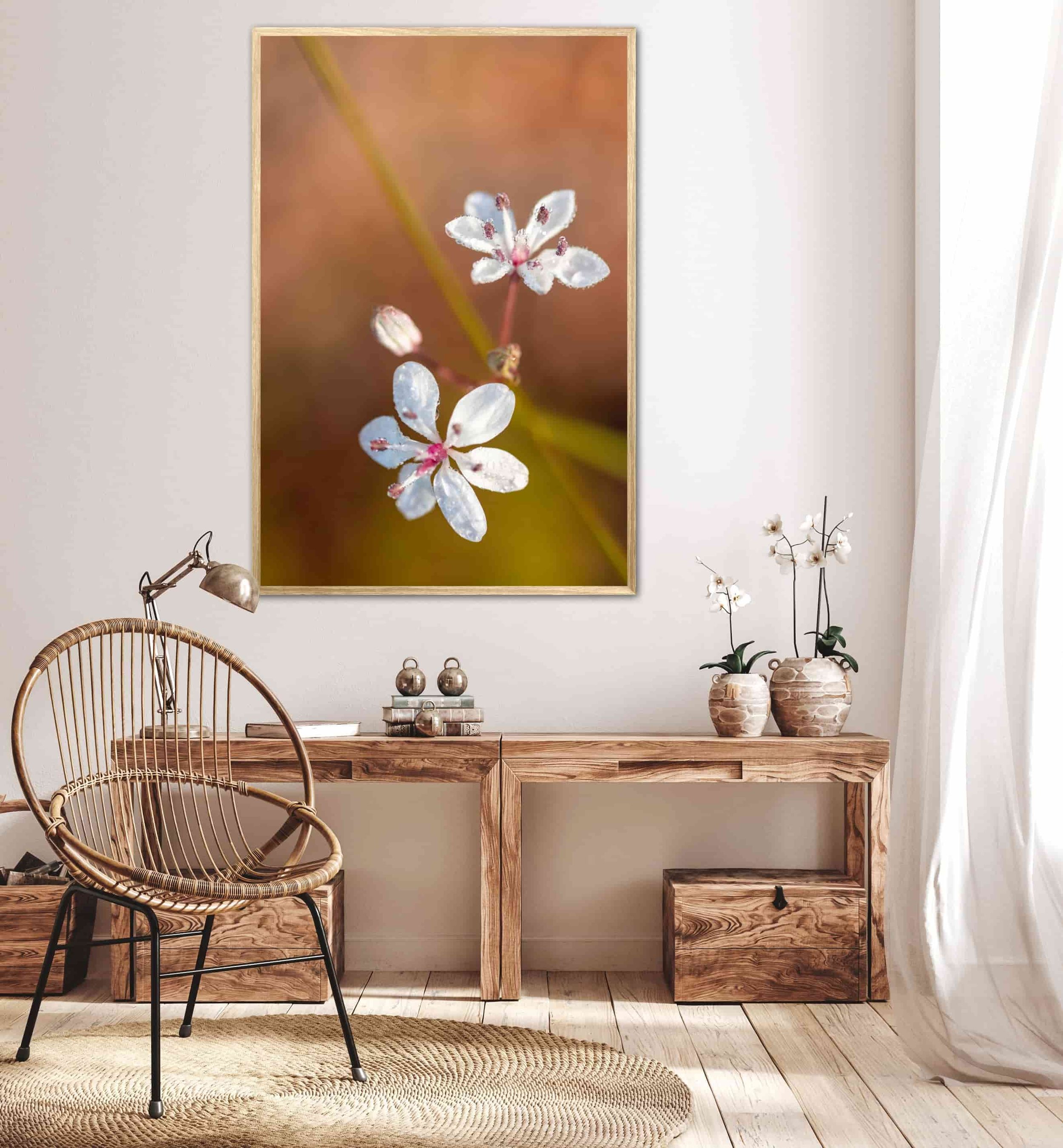
A striking coastal landscape above a sofa, a quiet botanical print in an entryway or a dramatic mountain scene above a fireplace can all become natural focal points.
Placement is only one part of the overall effect. You may also find my guide to styling fine art photography at home helpful when considering colour, balance and the feeling you want to create.
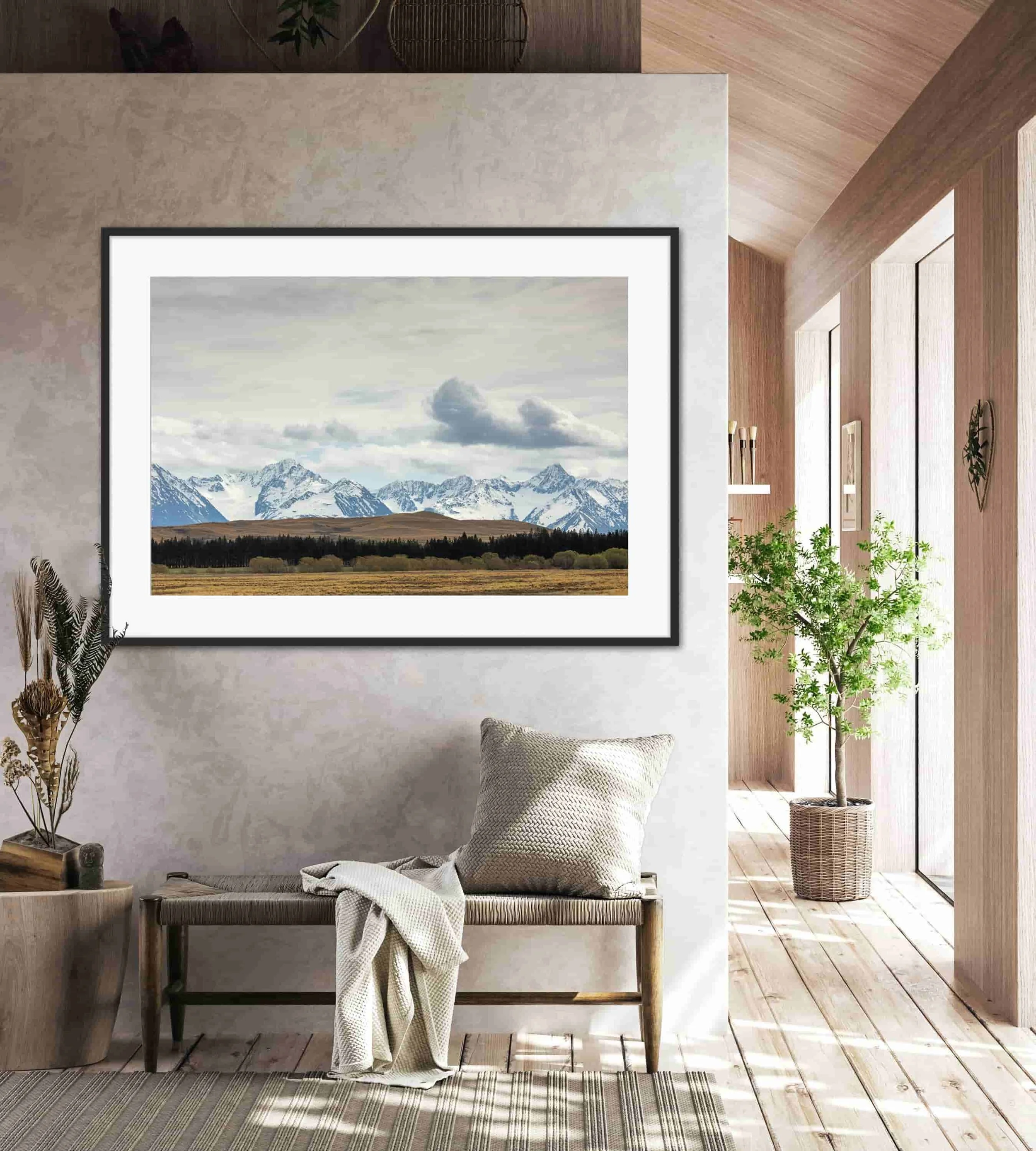
One large print or several smaller prints?
Both approaches can work beautifully, but they create different experiences.
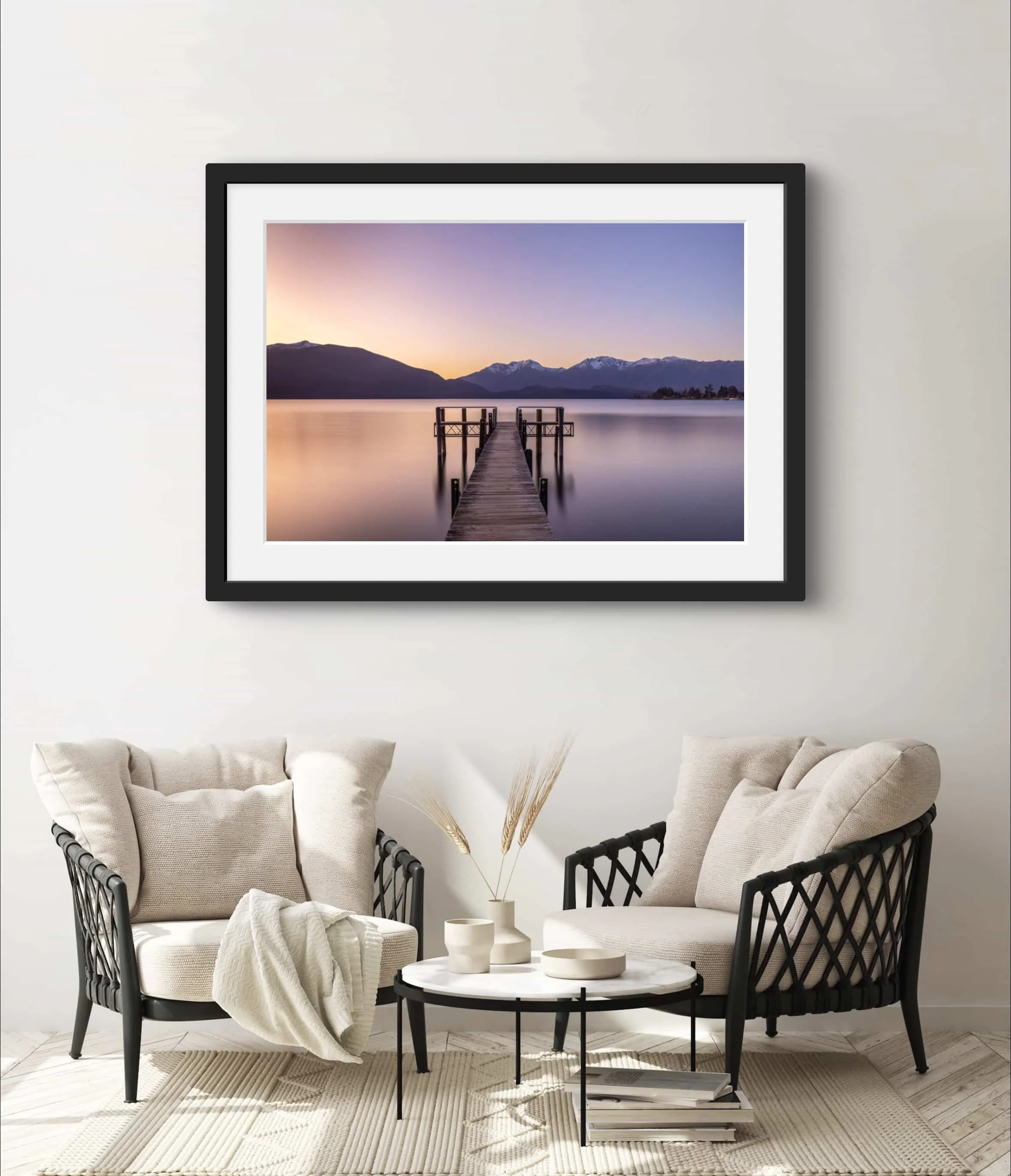
A single large artwork often feels calm, confident and uncluttered. It gives the image room to speak for itself and works particularly well in contemporary or minimalist interiors.
A collection of smaller prints creates more movement and interest. It allows you to tell a broader visual story by combining places, colours or themes that are meaningful to you.
When choosing between the two, consider how much visual activity already exists within the room. Simpler spaces often suit a gallery arrangement, while busier rooms may benefit from one larger statement piece.
Give artwork room to breathe
Not every wall needs to be filled.
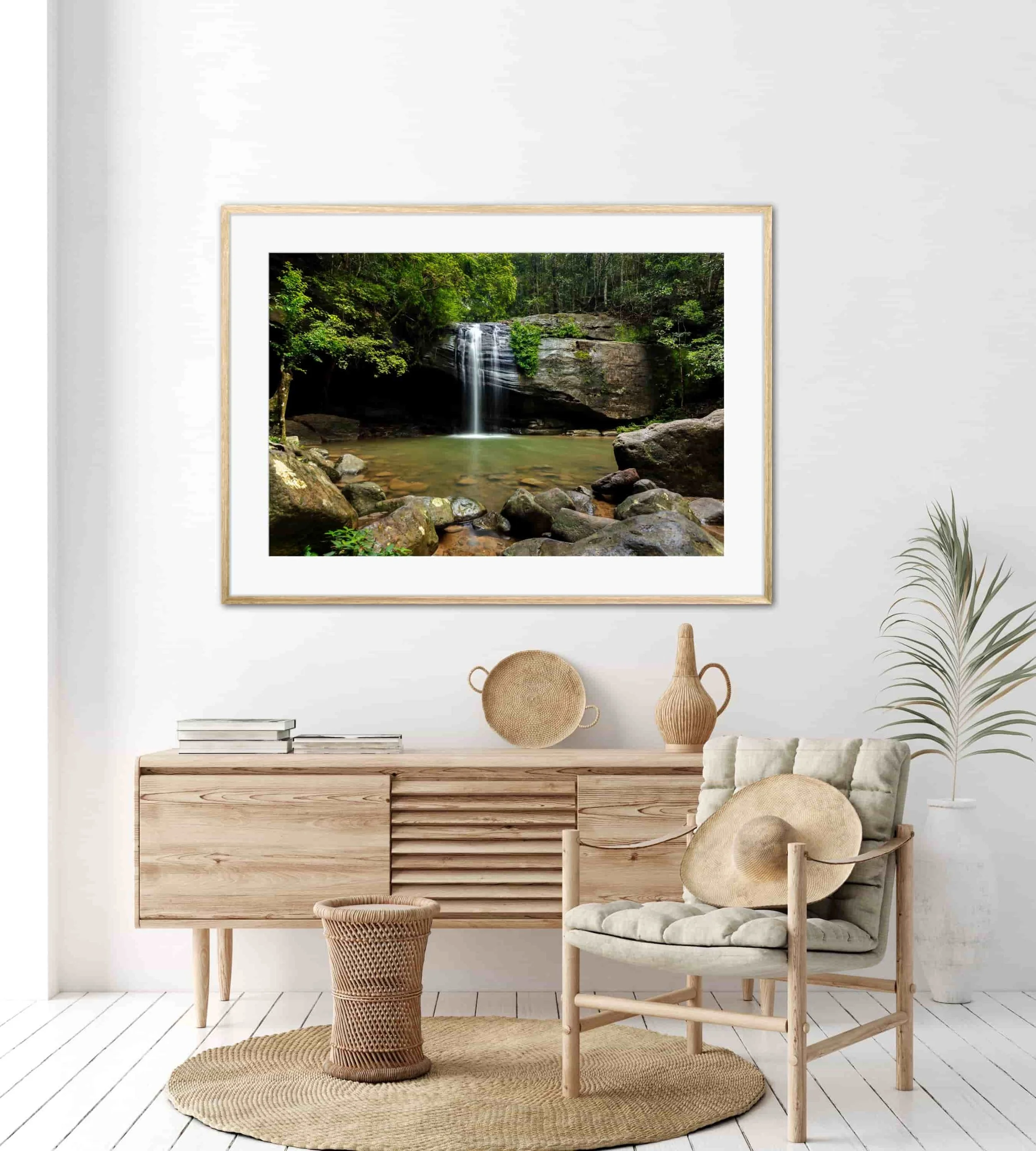
Leaving space around artwork allows the image to become the focus rather than competing with nearby décor.
This breathing room is particularly valuable in spaces where you want to create a sense of calm. Landscape imagery can work especially well where you want the room to feel open, restful or connected to nature. You can explore the landscape photography prints collection for examples.
Sometimes adding less creates a stronger result than adding more.

Placement in different rooms
Different rooms ask different things of the artwork they contain.
Living room
The living room is often where artwork creates the strongest visual impression. Positioning a piece above the sofa or another main furniture grouping helps anchor the room and encourages people to pause and enjoy it.
Bedroom
Bedrooms benefit from artwork that supports rest rather than demanding attention. Softer colours, gentle landscapes and quieter compositions often work beautifully here, especially when centred above the bed or on a wall visible from where you wake.
Hallway or entry
An entryway offers the opportunity to create a welcoming first impression. A carefully placed photograph can establish the mood for the rest of the home before guests even enter the main living spaces.
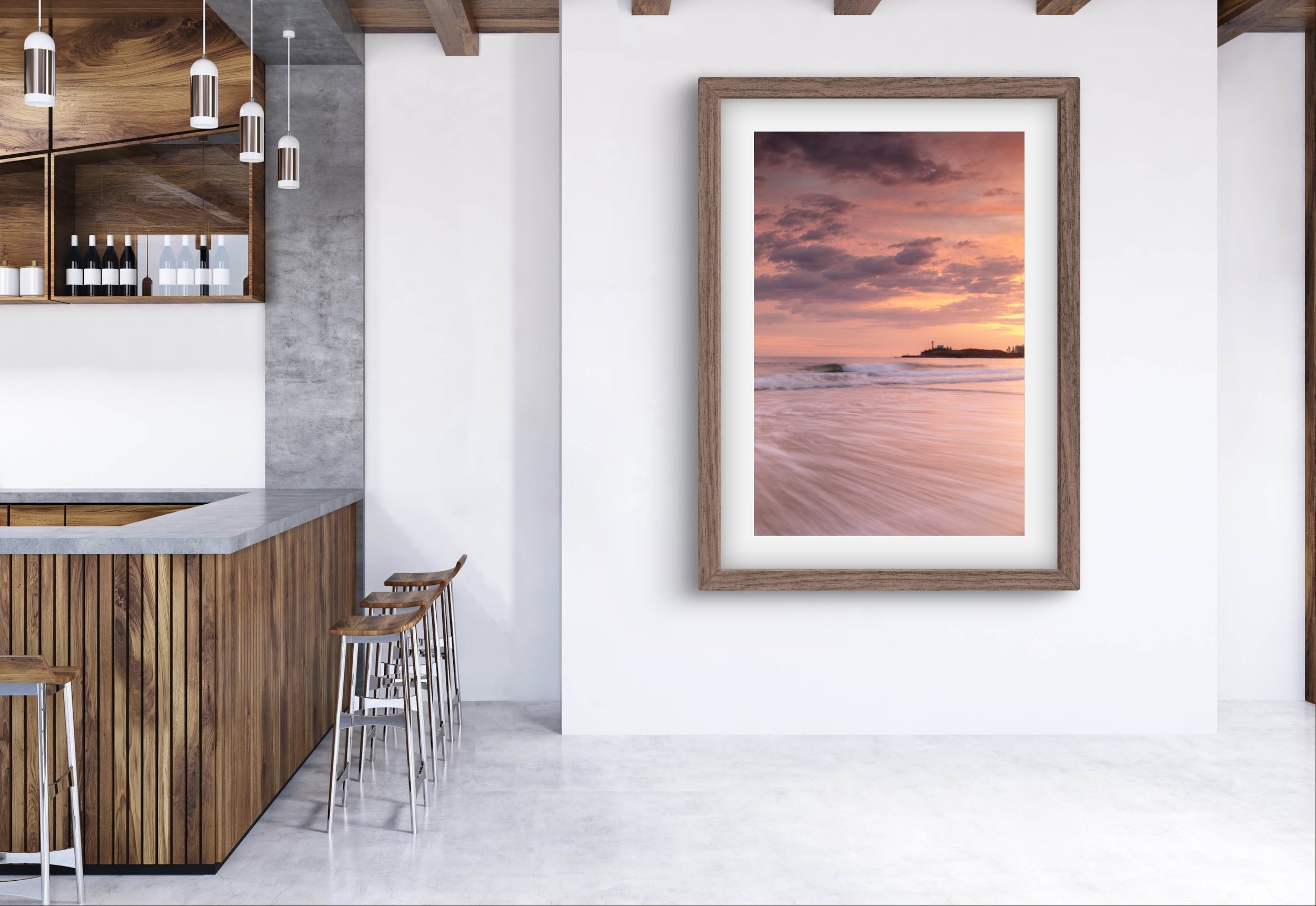
Choosing artwork that supports the atmosphere you want
The best placement isn't simply about where artwork fits. It's about how you want the room to feel every day.
If your goal is a peaceful bedroom, placement should encourage calm rather than visual clutter.
If you're styling a living room where family and friends gather, artwork may become a conversation piece and natural focal point.
Rather than following decorating trends, consider how the room is used and how you want people to feel within it. When placement supports both the artwork and the purpose of the space, the entire room feels more balanced.
Final thoughts
Thoughtful placement gives artwork room to become part of the space rather than simply filling a wall.
Small adjustments to height, spacing and positioning can completely change how a room feels, allowing your artwork to create the atmosphere you want every time you walk through the door.
Explore the full collection of photography prints and choose a piece that feels right for both the room and the way you want it to feel.
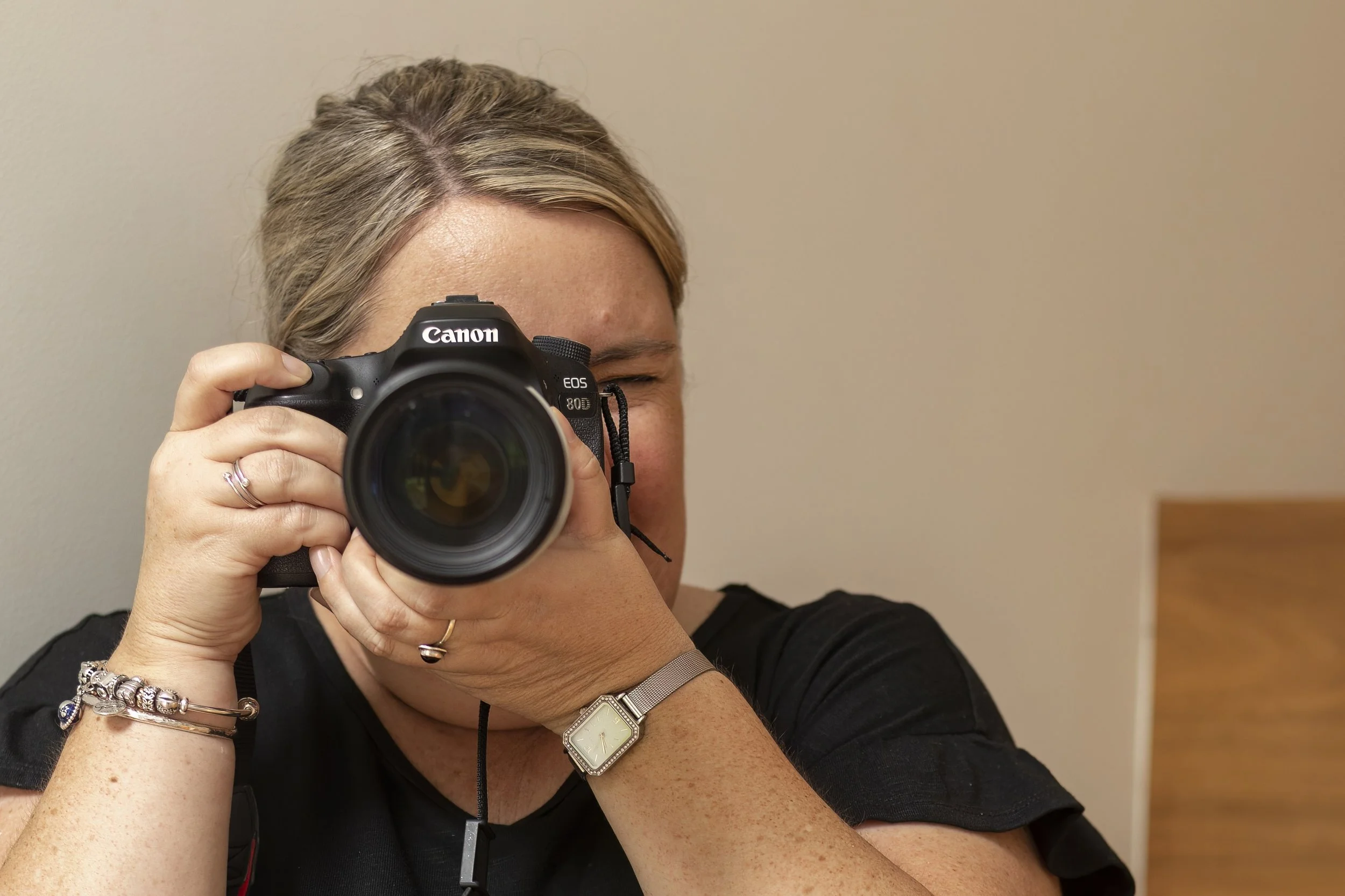
Leah Hermann
Leah Hermann is a landscape and travel photographer based on the Sunshine Coast, Australia. Through her brand Lens Art Images, she creates fine art photography prints inspired by coastlines, mountains, and destinations around the world, designed to bring a sense of place and calm into everyday spaces.